Key takeaways
The 30-second version
- Levothyroxine replaces the hormone your thyroid can't make anymore — but it does nothing to stop your immune system from attacking the gland. That's the gap natural protocols are designed to close.
- Three things have the strongest research behind them: selenium (200 mcg/day), selenium paired with myo-inositol, and vitamin D3. They're the closest thing we have to evidence-based antibody reducers.
- Diet matters — but differently than you'd expect. The AIP diet cuts how bad you feel by about 69%, but doesn't move your antibodies much in the first 10 weeks. Both results are real.
- Yes, Hashimoto's can go quiet on its own in some people — especially if caught early. Good protocols improve those odds; they don't guarantee the outcome.
- None of this replaces your doctor. If you're on levothyroxine, timing and interactions matter — always loop in your prescriber before you start something new.
Want a version built around your symptoms and labs?
Take the 3-min quiz →The strongest natural interventions for Hashimoto's thyroiditis are selenium (Grade A, reduces TPO antibodies across a 2,358-patient meta-analysis), selenium combined with myo-inositol (Grade A/B, reduces TSH 31–38% more than selenium alone and TgAb by 51%), and vitamin D3 (Grade A, 22% reduction in new autoimmune disease incidence in the VITAL trial, n=25,871). The AIP diet cuts symptom burden by 69% in clinical study but does not significantly change thyroid antibodies short-term. Full remission is possible in a meaningful subset of patients, particularly those with subclinical disease caught early. Discuss all protocols with your physician before starting.
What Makes Hashimoto's an Immune Disease, Not Just a Thyroid Disease
Levothyroxine replaces the hormone a damaged thyroid can no longer produce. It does not slow the autoimmune attack.
In Hashimoto's thyroiditis, autoreactive CD4+ T cells infiltrate thyroid tissue and cytotoxic CD8+ T cells directly destroy thyrocytes. Anti-TPO antibodies (present in 90–95% of patients) and anti-thyroglobulin antibodies drive complement-mediated glandular destruction. Over years, the thyroid is progressively replaced by fibrous tissue and lymphocytic infiltration.
TPO antibody levels continue rising in many patients on stable levothyroxine. The medication does not address the immune process driving the damage.
This is why natural and complementary approaches occupy a distinct category from hormone replacement. They target the immune mechanism: reducing inflammatory cytokines, restoring regulatory T-cell function, correcting the nutrient deficiencies that perpetuate autoimmunity, and addressing gut barrier dysfunction that sustains the autoimmune cascade.
The Root Causes Driving Hashimoto's Autoimmunity
Hashimoto's requires genetic susceptibility. HLA-DR region variants, CTLA-4, CD40, PTPN22, and selenoprotein S (SELENOS) polymorphisms together account for approximately 70–80% of disease risk.
Genetics determine vulnerability; environmental factors determine whether the disease activates. Four are most implicated in the published evidence. (Hu & Rayman, Thyroid, 2017)
Selenium deficiency creates a double vulnerability. Impaired glutathione peroxidase (GPx) activity leaves thyroid cells exposed to the hydrogen peroxide generated during hormone synthesis. Reduced selenoprotein function weakens T-cell regulation.
The selenoprotein S gene variant is itself a confirmed Hashimoto's risk locus, linking selenium status directly to genetic susceptibility.
Iodine excess produces highly iodinated thyroglobulin molecules that are significantly more immunogenic. In selenium-depleted thyroid tissue, iodine-induced hydrogen peroxide cannot be adequately neutralized, accelerating oxidative thyrocyte damage. In populations with baseline selenium deficiency, chronic high iodine intake consistently correlates with elevated Hashimoto's prevalence.
Intestinal permeability operates through the zonulin system. Alessio Fasano's three-hit hypothesis proposes that autoimmunity requires genetic susceptibility, gut barrier dysfunction, and an environmental trigger in sequence. When zonulin, the only known physiological regulator of intestinal tight junctions, is upregulated by gliadin exposure, dysbiosis, or infection, luminal antigens translocate into systemic circulation.
Antigen-presenting cells activate. Molecular mimicry follows. (Fasano, F1000Research, 2020; PMC6996528)
Molecular mimicry and infectious triggers complete the picture. Yersinia enterocolitica shares peptide sequences with the TSH receptor. Epstein-Barr virus reactivation impairs regulatory T-cell function.
SARS-CoV-2 spike protein shares sequence homology with thyroid peroxidase (TPO). A 2023 prospective study found autoimmune thyroid disease prevalence doubled in COVID-19 survivors compared to matched controls. (Mohammadi et al., Journal of Medical Virology, 2023; Frontiers in Endocrinology, 2023, PMC10031076)
Can Hashimoto's Be Reversed Naturally?
Remission in Hashimoto's means TPO antibodies below 35 IU/mL, TSH normalized without medication, and sustained resolution of symptoms. It occurs in a meaningful minority of patients. Studies of subclinical hypothyroid Hashimoto's cohorts show spontaneous euthyroidism in 20–40% of patients over 10 years even without intervention.
Natural treatment protocols can improve these odds, particularly in patients with early-stage disease (antibodies elevated, TSH still normal or borderline). The evidence for measurable antibody reduction is strongest for selenium and the selenium-myo-inositol combination. The evidence for dramatic symptom reduction is strongest for the AIP diet and gut healing protocols, even when antibody titers remain unchanged.
Be precise about what each intervention does. Selenium reduces TPO antibodies. The AIP diet reduces symptom burden. Vitamin D reduces the risk of progressing to more severe autoimmunity. These are distinct mechanisms and distinct outcomes. A protocol that addresses all three simultaneously is more powerful than any single intervention.
The Hashimoto's Natural Treatment Protocol: 4 Tiers
| Tier | Intervention | Grade | Key Finding |
|---|---|---|---|
| 1: Foundation | AIP Diet | Grade B | 69% symptom reduction; hs-CRP –29% (Abbott 2019) |
| 1: Foundation | Gluten-free diet | Grade B/C | TSH reduced (p=0.02), FT4 improved; TPOAb trend non-significant (meta-analysis, n=110) |
| 2: Supplements | Selenium (selenomethionine) | Grade A | TPOAb SMD –0.96; TSH reduction in non-medicated patients (29 cohorts, 2,358 pts) |
| 2: Supplements | Selenium + Myo-inositol | Grade A/B | 31–38% more TSH reduction; TgAb –51% vs. selenium alone (Zuhair 2024 meta-analysis) |
| 2: Supplements | Vitamin D3 + K2 | Grade A/B | 22% reduction in new autoimmune disease (VITAL 2022); TPOAb reduction at 3+ months |
| 2: Supplements | Magnesium glycinate | Grade B | Deficiency → OR 2.7–3.2x higher TgAb positivity; T4→T3 conversion cofactor |
| 2: Supplements | Omega-3 (EPA+DHA) | Grade B | VITAL trial additive autoimmune risk reduction with D3; strong anti-inflammatory mechanism |
| 3: Advanced | Low Dose Naltrexone | Grade C | Th1/Th2 modulation; Treg upregulation; positive observational reports; mixed registry data |
| 3: Advanced | Fasting Mimicking Diet | Grade C | Autoreactive cell clearance + immune regeneration mechanism; no published Hashimoto RCT yet |
| 3: Advanced | BPC-157 | Grade C | Tight junction repair; preclinical data only; adjunct for confirmed leaky gut |
Tier 1: Diet and Gut Healing
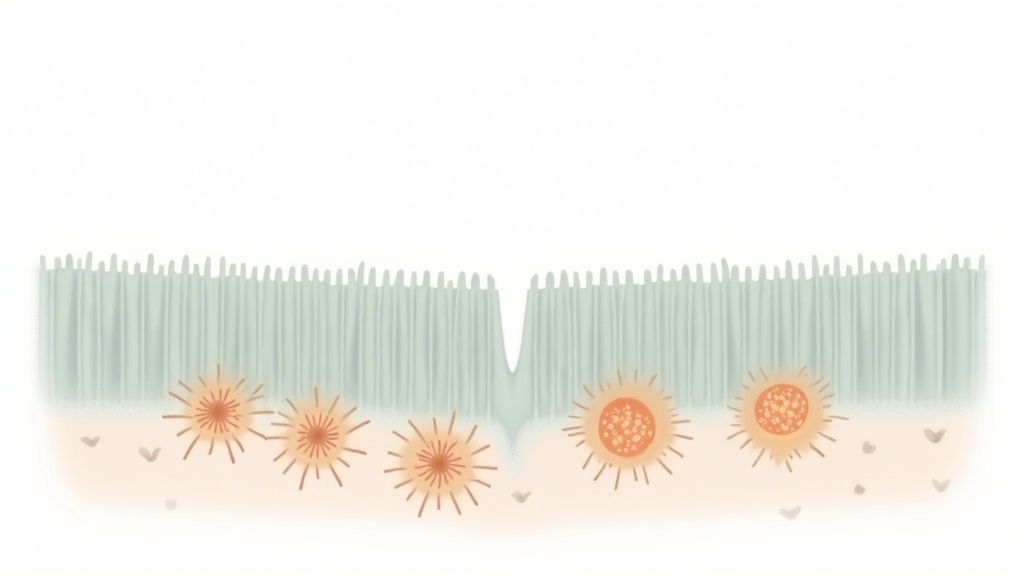
The AIP Diet: What the Evidence Actually Shows
The Autoimmune Protocol diet removes grains, legumes, nightshades, eggs, dairy, nuts, seeds, seed oils, alcohol, and food additives during an elimination phase of 4–6 weeks, followed by systematic reintroduction to identify individual triggers. The macronutrient shift emphasizes organ meats, fatty fish, fermented vegetables, and colorful produce.
The only clinical trial applying AIP specifically to Hashimoto's thyroiditis is Abbott et al. (2019), a 10-week pilot study of 17 women. Medical Symptoms Questionnaire scores dropped from 92 to 29, a 69% reduction in symptom burden.
High-sensitivity CRP fell 29%. Six of the 13 women on levothyroxine reduced their medication dose during the study period. (Abbott et al., 2019, Cureus; PMC6592837)
What AIP did not do: significantly change TPO antibody titers or thyroid function tests over 10 weeks. A 2023 Polish replication study confirmed this pattern. AIP over 6 months produced no significant change in TSH or TPO antibodies, but confirmed meaningful symptom and inflammatory marker improvement. (PMID 37772528)
AIP is a tool for reducing systemic inflammation and identifying dietary triggers. Frame it accordingly. Antibody changes, if they occur, likely require 6–12 months or more of sustained protocol.
For the complete AIP food list, the elimination and reintroduction phases, cruciferous vegetable guidance, and practical meal planning for Hashimoto's, see the AIP diet for Hashimoto's guide. For a broader comparison of AIP against six other autoimmune diets (Mediterranean, Wahls, SCD, and more), see our diet comparison guide.
Gluten-Free Diet: The Nuanced Evidence
Screen for celiac disease before making dietary recommendations. Celiac disease occurs at 3–5 times the general population rate in Hashimoto's patients. Tissue transglutaminase IgA and total IgA should be tested before starting. In confirmed celiac disease overlap, a strict gluten-free diet significantly reduces TPO antibody titers.
In non-celiac Hashimoto's patients, a 2023 meta-analysis of three studies (n=110) found a gluten-free diet produced statistically significant TSH reduction (effect size –0.35, p=0.02) and FT4 improvement (effect size +0.35, p=0.02). TPO antibody reduction showed a trend but did not reach significance (p=0.07). (Frontiers in Endocrinology, 2023; PMC10405818)
The mechanism likely involves reduced intestinal zonulin signaling (gliadin is a potent zonulin stimulus), improved gut barrier integrity, and better selenium and vitamin D bioavailability from a cleaner diet. A 90-day strict GFD trial with before-and-after antibody and TSH testing is a reasonable clinical approach. Benefits are most reliable in patients with HLA-DQ2/DQ8 genetic variants or confirmed non-celiac gluten sensitivity markers.
The Gut-Thyroid Axis: Why the Microbiome Matters
SIBO (small intestinal bacterial overgrowth) affects an estimated 50% of Hashimoto's patients, a prevalence far exceeding the general population. Gut dysbiosis reduces butyrate-producing bacteria (Faecalibacterium prausnitzii, Roseburia). Butyrate is the primary inducer of colonic regulatory T cells, and Treg deficiency is central to thyroid autoimmunity. (PMC10884059, 2024)
Short-chain fatty acids (butyrate, propionate, acetate) suppress NF-κB–mediated thyroid inflammation and restore the Treg/Th17 balance disrupted by autoimmune thyroid disease. Fermented foods, resistant starches, and targeted probiotic supplementation support this pathway. If SIBO is suspected (bloating, gas, bloating worsened by probiotics), spore-based or soil-based strains are preferable to fermentable Lactobacillus species until SIBO is treated.
Foods to Avoid With Hashimoto's
The most consequential dietary mistake in Hashimoto's is supplemental iodine.
Excess iodine generates heavily iodinated thyroglobulin molecules that are significantly more immunogenic. In selenium-depleted thyroid tissue, iodine-induced hydrogen peroxide cannot be adequately neutralized, accelerating oxidative thyrocyte damage. Clinical studies document thyroid dysfunction after as little as 100 mcg/day supplemental iodine in susceptible individuals. Many products marketed as "thyroid support" contain high iodine doses. Check every supplement label before taking it. Dietary iodine from seafood, dairy, and iodized salt at approximately 150 mcg/day is sufficient in iodine-replete countries.
Beyond iodine: gluten warrants a 90-day elimination trial with lab-based assessment of response. Dairy casein activates the zonulin pathway through a mechanism similar to gliadin; many AIP protocols exclude it during elimination. Nightshade alkaloids may increase intestinal permeability in sensitive individuals. These responses are individual. Systematic reintroduction is more informative than permanent blanket exclusions.
Foods to prioritize: wild-caught fatty fish (selenium plus omega-3), Brazil nuts in moderation (2–3 per day reaches approximately 200 mcg selenium), leafy greens (magnesium), fermented vegetables (butyrate precursors, microbial diversity), organ meats (iron, B12, zinc in bioavailable forms), and colorful polyphenol-rich vegetables.
Tier 2: Evidence-Graded Supplements
Selenium [Grade A]
Selenium is the most evidence-supported supplement for Hashimoto's thyroiditis. The thyroid gland contains the highest selenium concentration of any organ in the body. Fifteen or more selenoproteins operate in thyroid tissue, including the deiodinase enzymes that convert T4 to active T3 and glutathione peroxidase, which neutralizes the hydrogen peroxide generated during hormone synthesis.
The Huwiler 2024 meta-analysis, published in Thyroid journal, synthesized 29 cohorts and 2,358 participants across randomized controlled trials. TPO antibodies fell significantly (SMD –0.96, 95% CI –1.36 to –0.56).
TSH was significantly reduced in patients not on thyroid hormone replacement therapy (SMD –0.21, 95% CI –0.43 to –0.02). The selenomethionine subgroup consistently outperformed other selenium forms across individual trials. (Huwiler et al., 2024, Thyroid; PMID 38243784)
Best form: Selenomethionine (organic, amino acid-bound). Dose: 200 mcg/day. Studies using less than 100 mcg/day show minimal effect. The upper safe limit is approximately 400 mcg/day; chronic intake above this approaches selenosis (hair loss, nail brittleness, neurological symptoms). Discuss dose with your physician, particularly if your diet is already selenium-rich.
For the full selenium deep-dive (CATALYST trial interpretation, selenomethionine vs. Brazil nuts, the myo-inositol combination, and safety profiles by patient type), see the selenium for Hashimoto's evidence guide.
Levothyroxine interaction: Low risk. Separate by 4 hours as a standard precaution.
Selenium + Myo-Inositol [Grade A/B]
This combination is the most underreported finding in the Hashimoto's supplement literature. Myo-inositol is the primary intracellular signal transducer for TSH receptor signaling through the phosphoinositide pathway. It appears to upregulate selenoprotein expression, creating a direct synergistic interaction when combined with selenium.
A 2024 meta-analysis (Zuhair et al., Endocrine Practice; PMID 39650307) comparing the selenium-plus-myo-inositol combination against selenium alone confirmed the combination is significantly superior for TSH reduction and TgAb reduction across pooled randomized trials. The Nordio and Basciani 2017 RCT (86 Hashimoto's patients with subclinical hypothyroidism randomized to the combination versus selenium alone) found TSH reduction of 31–38% and TgAb reduction of approximately 51% in the combination group versus smaller reductions in the selenium-only arm over 6 months. (Nordio & Basciani, 2017; PMID 28724185)
Dose: Myo-inositol 600 mg twice daily combined with selenomethionine 83–200 mcg/day. Discuss with your physician before adding if TSH is in the subclinical hypothyroid range and levothyroxine is prescribed. TSH normalization from the combination may require dose adjustment.
For the mechanism, evidence from the Nordio trial series, patient profiles most likely to benefit, and monitoring timeline, see the myo-inositol for Hashimoto's guide.
Vitamin D3 + K2 [Grade A/B]
Vitamin D deficiency affects 50–90% of Hashimoto's patients across published studies. The vitamin D receptor (VDR) is expressed on dendritic cells, macrophages, regulatory T cells, Th17 cells, and B cells.
Calcitriol (the active metabolite) suppresses Th1 and Th17 differentiation, promotes Treg induction, reduces IL-2, IFN-γ, and TNF-α, and upregulates IL-10. VDR polymorphisms, particularly the FokI variant, are among the most consistently replicated genetic risk factors for Hashimoto's.
The VITAL trial (Manson et al., 2022, NEJM Evidence) enrolled 25,871 participants in a randomized, placebo-controlled trial of vitamin D3 at 2,000 IU/day for 5.3 years. Confirmed autoimmune disease incidence fell by 22% (HR 0.78, 95% CI 0.61–0.99). For active Hashimoto's treatment, a 2024 meta-analysis (Guan et al., Medicine; PMID 38206745) found supplementation beyond 3 months significantly reduced TPO antibodies, and supplementation beyond 12 weeks significantly improved FT3 and FT4 levels.
The standard "sufficient" range of 20–50 ng/mL is below the immunomodulatory threshold. Functional medicine targets for Hashimoto's patients are 60–80 ng/mL.
Reaching this requires monitoring and often 4,000–5,000 IU/day. Pair with vitamin K2 (MK-7 form, 100–200 mcg/day) to direct calcium metabolism to bone rather than arterial tissue at higher D3 doses.
Levothyroxine interaction: None documented. Vitamin D3 can be taken at any time.
Magnesium [Grade B]
Magnesium is a cofactor for all three iodothyronine deiodinase enzymes that convert T4 to active T3. A cross-sectional study (PMC6028657) found severe magnesium deficiency carried an odds ratio of 2.7–3.2 for thyroglobulin antibody positivity. Deficiency is common in Hashimoto's patients: impaired absorption from autoimmune gastropathy, increased urinary losses from chronic inflammation, and dietary restriction during elimination phases all contribute.
Best form: Magnesium glycinate (best absorbed, best tolerated) or magnesium malate for patients with fatigue and muscle pain. Magnesium oxide absorbs poorly and causes GI distress. Dose: 300–400 mg elemental magnesium daily.
Critical interaction: Magnesium chelates levothyroxine in the intestinal lumen, reducing thyroid hormone absorption. Separate from levothyroxine by at least 4 hours.
Omega-3 Fatty Acids [Grade B]
EPA and DHA compete with arachidonic acid for enzyme sites, reducing prostaglandin E2 and leukotriene B4, pro-inflammatory eicosanoids prominent in autoimmune tissue damage. They suppress NF-κB activation, reduce IL-6, IL-1β, and TNF-α, and promote specialized pro-resolving mediators (resolvins, protectins) that actively resolve inflammation rather than simply suppressing it.
The VITAL trial's omega-3 arm (1g/day) combined with D3 produced a further 25–30% reduction in autoimmune disease risk beyond D3 alone. Multiple RA, lupus, and IBD trials show 20–40% reductions in inflammatory markers at higher doses. No Hashimoto-specific omega-3 RCTs exist, but the mechanistic case and cross-condition data are strong.
Dose: 2–4 g/day total EPA+DHA; high-EPA formulations (3:1 EPA:DHA ratio) preferred for anti-inflammatory purposes. Triglyceride form has superior bioavailability over ethyl ester.
What NOT to Take
Iodine supplements are contraindicated in Hashimoto's. The evidence against supplementation is Grade A. Dietary iodine from food is sufficient in iodine-replete populations.
Ashwagandha warrants caution. Its withanolide compounds may stimulate the Th1 and Th17 pathways that drive Hashimoto's tissue destruction. A documented case report describes a 47-year-old man who developed thyrotoxicosis within two months of starting ashwagandha; all findings resolved within 50 days of stopping it. If used, monitor thyroid function labs every three months and watch for palpitations, heat intolerance, and unexplained weight loss.
For a complete evidence-graded review of Hashimoto's supplements, including zinc, ferritin, B12, and the levothyroxine timing rules most patients are never told, see the full Hashimoto's supplement guide. If you prefer an all-in-one option, see our guide to the best multivitamin for Hashimoto's. For how these supplements are graded across all autoimmune conditions (not just Hashimoto's), see the evidence-graded autoimmune supplement guide. For the latest research developments, see new treatments for Hashimoto's.
Tier 3: Advanced Approaches
Low Dose Naltrexone (LDN) for Hashimoto's
At 0.5–4.5 mg taken at bedtime, naltrexone briefly blocks opioid receptors during the nighttime endorphin peak. The rebound upregulates beta-endorphin and opioid growth factor (OGF) production. The OGF-OGFr axis downregulates abnormal immune cell proliferation and shifts the Th1/Th2 imbalance, reducing IFN-γ and TNF-α (the Th1 cytokines overexpressed in Hashimoto's) and upregulating regulatory T cells. (Younger et al., Arthritis & Rheumatism, 2013)
The evidence for Hashimoto's specifically is Grade C. A large Norwegian registry study (Raknes & Husby, 2020, BMJ Open; n=898) found no statistically significant reduction in levothyroxine prescription rates after starting LDN. Patient-reported outcomes from the LDN Research Trust database are substantially more positive.
A majority of Hashimoto's patients report symptom improvement. The discrepancy likely reflects that registry studies measure LT4 prescribing (a poor proxy for autoimmune activity) rather than antibody titers or symptom burden, which are not routinely captured in prescription databases.
LDN is most commonly trialed in patients with high baseline TPO antibodies, symptomatic fatigue and brain fog despite optimized levothyroxine, or concurrent autoimmune conditions. It requires a compounding pharmacy and an LDN-willing prescriber (integrative medicine, some rheumatologists and gastroenterologists).
The most common side effect is vivid dreams during the first 2–3 weeks, typically self-resolving. Absolute contraindication: concurrent opioid medications.
Protocol: Start 0.5 mg at bedtime. Increase by 0.5 mg every two weeks. Target 4.5 mg/day. Allow 3–6 months for measurable antibody changes, if they occur. Discuss with your prescribing physician before starting.
For full LDN evidence by condition, exact dosing titration, how to obtain a prescription, and safety profile, see the complete low dose naltrexone guide.
Fasting Mimicking Diet: Immune Reset
Valter Longo's fasting mimicking diet (FMD) is a 5-day calorie-restricted protocol (800–1,100 kcal/day, specific macronutrient ratios) designed to produce fasting-state metabolic changes while maintaining adequate micronutrient intake. The proposed mechanism for autoimmunity: during the fasting phase, IGF-1 falls sharply, glucocorticoid release rises, and metabolically dependent autoreactive immune cells are cleared through apoptosis. During refeeding, hematopoietic stem cells regenerate naive immune cells with a reduced autoreactive repertoire. (Choi et al., Cell Stem Cell, 2016; Brandhorst et al., Cell Metabolism, 2015)
Longo has confirmed a clinical trial in Hashimoto's patients is underway. No published Hashimoto-specific human data exists as of early 2026. Published evidence in MS, RA, and IBD animal models is positive.
Thyroid-specific caution: fasting physiologically reduces circulating T3 levels as an energy conservation response. For Hashimoto's patients on levothyroxine, the 5-day cycle may produce symptomatic hypothyroid days. Medical supervision is required. Contraindicated in pregnancy, underweight patients, and those with insulin-dependent diabetes.
Protocol: ProLon commercial kit or equivalent; once monthly for 3 months, then quarterly for maintenance. Discuss with your physician before starting.
BPC-157 for Gut Healing
BPC-157 (body protection compound-157) is a 15-amino acid peptide isolated from human gastric juice. Animal studies document tight junction reinforcement, VEGFR2 pathway activation for mucosal regeneration, nitric oxide modulation to reduce intestinal inflammation, and gut barrier repair in IBD models. The evidence base is almost entirely preclinical. No human Hashimoto-specific trials exist.
Its relevance to Hashimoto's is indirect but mechanistically coherent: if intestinal permeability is an upstream driver of the autoimmune cascade via the Fasano model, repairing the gut barrier removes one of the three necessary conditions for autoimmunity. BPC-157 should be positioned as an experimental adjunct gut-healing agent in patients with confirmed intestinal permeability markers, not as a thyroid intervention. It is an investigational research compound, not FDA-approved.
Post-COVID Hashimoto's: What the Evidence Shows
SARS-CoV-2 infection is an established trigger for new-onset autoimmune thyroid disease. A 2023 prospective study found autoimmune thyroid disease prevalence was doubled in COVID-19 survivors compared to age- and sex-matched controls, with 80% of cases occurring in middle-aged women. Onset typically occurred 7–90 days post-infection. (Frontiers in Endocrinology, 2023; PMC10031076)
The mechanisms are multiple: direct thyroid invasion via ACE2 receptor expression, spike protein-TPO molecular mimicry, cytokine storm driving Th17 expansion, and EBV reactivation impairing immune tolerance. Treatment follows standard Hashimoto's protocol. The post-COVID variant does not require a separate approach.
The critical clinical point: patients who develop thyroid symptoms weeks after COVID-19 infection often do not connect the two, and many physicians do not test thyroid antibodies in the post-acute COVID context. If thyroid symptoms begin within 90 days of COVID-19 infection, request a full thyroid panel including TPO and TgAb. For the complete guide to post-COVID thyroid autoimmunity, including treatment timelines and monitoring protocols, see our post-COVID Hashimoto's guide.
Lifestyle Pillars
Stress and the HPA-Thyroid Axis
Chronic psychological stress triggers sustained cortisol elevation. Cortisol drives a Th1-to-Th2 immune shift, which in Hashimoto's (a Th1-dominant disease) may temporarily quieten the acute autoimmune drive while simultaneously suppressing secretory IgA, worsening gut permeability, and impairing regulatory T-cell function over time.
Cortisol also directly suppresses TSH secretion, creating a confounding variable in thyroid monitoring. Morning cortisol below 15 µg/dL at 8 AM indicates HPA axis dysfunction and compounds hypothyroid symptoms even when thyroid labs appear technically adequate. Stress management is not optional in Hashimoto's. It is part of the protocol.
Sleep and Exercise
Sleep deprivation increases IL-6, TNF-α, and CRP, the same inflammatory cytokines that drive Hashimoto's progression. Thyroid hormone secretion is closely linked to sleep architecture and circadian rhythm. Target 7–9 hours of consistent sleep in a dark, cool room.
Exercise type matters in Hashimoto's. Moderate aerobic exercise reduces systemic inflammation and improves insulin sensitivity, both relevant to autoimmune management. Overtraining raises cortisol and can precipitate flares. Resistance training preserves lean mass, which hypothyroidism actively depletes, without the cortisol burden of endurance extremes. Fatigue disproportionate to effort is a reliable signal of overload in undertreated Hashimoto's; start conservatively and progress based on recovery.
Lab Testing: What to Monitor Beyond TSH
TSH alone is insufficient for monitoring Hashimoto's thyroiditis. Patients frequently remain symptomatic with TSH within the standard reference range. The targets below reflect the ranges at which most Hashimoto's patients achieve optimal symptom control, based on functional medicine consensus and the biomarker-outcome relationships documented in published literature. For a complete breakdown of every marker, what optimal means, and how to act on results, see the Hashimoto's lab targets guide.
| Biomarker | Standard Range | Functional Target | Why It Matters |
|---|---|---|---|
| TSH | 0.5–4.5 μIU/mL | 1.0–2.0 μIU/mL | Most Hashimoto's patients symptomatic at TSH 3–4 despite being within "normal" range |
| Free T3 (FT3) | 2.3–4.2 pg/mL | >3.2 pg/mL | Active hormone; often low despite normal T4 and TSH, the most underdiagnosed gap |
| Free T4 (FT4) | 0.8–1.8 ng/dL | >1.1 ng/dL | Low-normal FT4 signals inadequate hormone availability for T3 conversion |
| Reverse T3 (rT3) | 9–24 ng/dL | <15 ng/dL | Elevated rT3 blocks FT3 receptors; driven by iron deficiency, stress, and caloric restriction |
| 25-OH Vitamin D | 30–100 ng/mL | 60–80 ng/mL | Standard "sufficient" lower threshold is below the immunomodulatory threshold |
| Ferritin | 12–150 µg/L | >90–100 µg/L | 70% of hypothyroid patients iron-deficient; impairs T4→T3 conversion; causes elevated rT3 |
| hs-CRP | <3.0 mg/L | <1.0 mg/L | Systemic inflammation tracker; benchmark used in Abbott AIP trial (fell 29% with AIP) |
| Serum B12 | 200–900 pg/mL | >500–800 pg/mL | 33% of Hashimoto's patients B12-deficient; symptoms overlap completely with hypothyroidism |
| TPO Antibodies | <35 IU/mL | Trending downward | Track every 3–6 months during intervention; >500 IU/mL = aggressive ongoing autoimmunity |
The most overlooked marker is ferritin. Iron deficiency affects approximately 70% of hypothyroid patients. Low ferritin impairs the heme-dependent thyroid peroxidase enzyme, reduces T4-to-T3 conversion via Type 1 deiodinase, and shunts T4 toward reverse T3 production.
Many patients with persistent hypothyroid symptoms despite adequate levothyroxine dosing have undetected ferritin deficiency as the underlying cause. Test before supplementing. Excess iron generates reactive oxygen species that worsen thyroid autoimmunity.
Hashimoto's Treatment Without Medication: When Natural Approaches Have the Most to Offer
Subclinical Hashimoto's is the window where natural protocols have the greatest impact. At this stage, TPO antibodies are elevated and the autoimmune attack is active, but TSH remains normal or borderline and thyroid function is preserved. Patients here have not yet been started on levothyroxine.
Selenium, myo-inositol, vitamin D, and gut healing protocols (including L-glutamine for gut barrier repair) can measurably alter the disease trajectory in this window. The published evidence for antibody reduction comes almost entirely from this population.
When TSH rises above the standard reference range, particularly above 10 μIU/mL, or when overt hypothyroid symptoms are present, levothyroxine becomes appropriate. During pregnancy, even mild TSH elevation requires immediate treatment. Natural approaches do not replace hormone replacement in these situations.
What changes after levothyroxine is added: the immune attack continues. The natural protocol continues to apply. Supplements remain relevant.
Diet work remains relevant. The monitoring context changes: levothyroxine requires consistent morning timing (30–60 minutes before food, empty stomach), and mineral supplements including magnesium, zinc, calcium, and iron must be separated by at least 4 hours to prevent chelation-mediated absorption impairment.
Frequently Asked Questions
Can Hashimoto's go into remission naturally?
Yes, in a subset of patients, particularly those with subclinical disease caught early. Studies of subclinical Hashimoto's cohorts document spontaneous euthyroidism in 20–40% of patients over 10 years without any intervention.
Natural protocols that include selenium, the selenium-myo-inositol combination, and vitamin D3 optimization can improve these odds by targeting the immune mechanisms sustaining the autoimmune attack. Remission (sustained normal TSH, antibodies below 35 IU/mL, resolution of symptoms) is a realistic target for early-stage patients; it is less predictable in those with longstanding overt hypothyroidism and significant glandular atrophy.
How long does it take to lower TPO antibodies naturally?
The published clinical trials showing significant TPO antibody reduction used supplementation periods of 3–12 months. The Huwiler 2024 meta-analysis, pooling 29 cohorts, found statistically significant TPO antibody reduction in aggregate; individual study timelines ranged from 3 to 12 months. Retest antibodies no earlier than 3 months after starting a new protocol. Shorter intervals rarely reflect meaningful change.
What is the best diet for Hashimoto's thyroiditis?
The AIP diet has the most clinical evidence specifically for Hashimoto's, with a 69% reduction in symptom burden and 29% reduction in hs-CRP in the Abbott 2019 pilot study. A gluten-free diet adds independent thyroid function improvement (TSH and FT4) even without celiac disease. The Mediterranean diet shows comparable anti-inflammatory effects with significantly less restriction for patients who cannot sustain AIP long-term. These are not mutually exclusive: a modified Mediterranean approach that excludes gluten captures much of the benefit of both. See our autoimmune diet comparison guide for evidence grades across all seven major dietary approaches.
What foods should I avoid with Hashimoto's?
The single most important avoidance is supplemental iodine. Iodine excess worsens thyroid autoimmunity through oxidative and immunogenic mechanisms, even at doses that appear modest on a label. Check every thyroid supplement for iodine content before taking it. Gluten is the second priority. A 90-day elimination with lab-based response assessment is the most informative approach. Dairy, nightshades, and seed oils are part of the AIP framework; their relevance is individual and best determined through systematic reintroduction.
What triggers a Hashimoto's flare?
Documented flare triggers include: acute viral infection (particularly SARS-CoV-2 and EBV reactivation), psychological stress through cortisol-mediated gut permeability worsening, large acute iodine loads (kelp, high-dose thyroid supplements), significant overtraining, and introduction of immune-stimulating herbs including echinacea, astragalus, and ashwagandha. Post-acute COVID thyroiditis, presenting 7–90 days post-infection, represents a distinct viral-triggered category that patients and physicians alike frequently miss.
Is selenium safe to take without testing first?
200 mcg/day selenomethionine is within the safety range for most adults. The tolerable upper intake level is 400 mcg/day. Testing baseline serum selenium before starting is reasonable but not strictly required at this dose. Testing becomes more important if dietary selenium intake is already high (daily Brazil nuts, frequent high-seafood intake) or if symptoms of selenosis develop: hair loss, nail changes, garlic-like breath. Do not supplement above 200 mcg/day without testing and medical supervision.
Can Hashimoto's cause anxiety and brain fog?
Both are direct manifestations of thyroid autoimmunity and frequently persist when TSH is technically within the standard range. Free T3 below 3.2 pg/mL produces cognitive slowing, word-retrieval difficulty, and persistent fatigue. Elevated reverse T3 blocks T3 receptors and produces functional hypothyroidism despite normal serum TSH. Neuroinflammation from unresolved systemic autoimmunity contributes independently of thyroid hormone levels. B12 deficiency, present in approximately 33% of Hashimoto's patients via autoimmune gastritis and intrinsic factor impairment, produces neurological fatigue and brain fog that overlap completely with hypothyroid symptoms and are frequently missed for years.
Not sure which interventions match your specific condition stage, lab values, and symptom profile? Take the free AutoimmuneFinder quiz. It maps your answers to a tiered, evidence-graded protocol with dosing guidance for every recommendation.
This article is for educational purposes only and does not constitute medical advice. Hashimoto's thyroiditis is a medical condition requiring professional management. Before starting any supplement, dietary protocol, or advanced intervention, discuss with your physician or endocrinologist, particularly if you take levothyroxine or other prescription medications. Dosing recommendations reflect general ranges from published clinical trials and may not be appropriate for every individual. AutoimmuneFinder does not diagnose, treat, or prescribe.