Alopecia areata is an autoimmune attack on the hair follicle. The natural remedies that work are the ones that address the immune dysfunction, correct the nutrient deficiencies fueling it, and reduce the systemic inflammation sustaining it. Every intervention below is graded by the quality of published research. Discuss all changes with your dermatologist before starting.
Understanding Alopecia Areata as an Autoimmune Condition
Alopecia areata is not ordinary hair loss. CD8+ NKG2D+ T cells infiltrate the perifollicular zone and collapse the hair follicle's immune privilege, a protective mechanism that normally hides the follicle from the immune system during active growth.
The signaling cascade is specific: IFN-gamma activates JAK1/JAK2 in follicle cells, perpetuating immune visibility and halting hair growth. This is the exact pathway that the FDA-approved JAK inhibitors baricitinib (2022) and ritlecitinib (2023) target.
Natural remedies work through five routes. They correct nutrient deficiencies that impair immune regulation. They reduce systemic inflammation. They support the gut-immune axis. They blunt stress-triggered flares. They improve scalp health directly. No single natural remedy reverses immune privilege collapse the way pharmaceutical JAK inhibitors do. A comprehensive approach addressing multiple drivers can, however, meaningfully support regrowth in mild-to-moderate AA.
Supplements
Grade A-C- •Zinc (Grade A)
- •Vitamin D (Grade B)
- •Iron/Ferritin (Grade B)
- •Omega-3 (Grade B)
- •Quercetin (Grade C)
Topical Treatments
Grade B-C- •Onion juice (Grade B)
- •Essential oil blend (Grade B)
- •Rosemary oil (Grade C)
- •Garlic gel (Grade C)
Diet & Nutrition
Grade B-C- •Anti-inflammatory diet
- •Gluten-free trial
- •Zinc-rich foods
- •Omega-3 rich fish
Stress Management
Grade B- •MBSR / Meditation
- •CBT therapy
- •Exercise (150+ min/wk)
- •Sleep optimization
Scalp Therapies
Grade C- •Microneedling
- •Low-level laser (LLLT)
- •Scalp massage
Advanced Protocols
Grade C- •Low-dose naltrexone
- •Fasting mimicking diet
- •Gut healing protocol
Evidence grades reflect the quality of published research for each category in alopecia areata specifically.
How to Read the Evidence Grades
Multiple RCTs or meta-analyses
Highest confidence. Benefit replicated across independent trials.
Single RCT or strong mechanistic + clinical evidence
Good confidence. Benefit supported by at least one controlled study.
Preliminary, mechanistic, or small pilot data only
Promising rationale but insufficient human trial data to predict individual response.
Supplements [Grades A-C]
Supplements carry the strongest evidence among natural remedies for alopecia areata. Full detail in the alopecia areata supplements guide. Summary:
Zinc [Grade A]: the only AA supplement with multiple independent RCTs showing meaningful hair regrowth. Dose: 50mg elemental zinc/day + 1-2mg copper. Ozdemir et al. 2019 systematic review confirms consistent benefit across trials.
Vitamin D [Grade B]: 60-80% of AA patients are vitamin D deficient vs. 40% in the general population. Correcting to 60-80 ng/mL supports Treg function and follicle biology directly via VDR in the hair bulge. Dose: 4,000-6,000 IU D3/day + K2.
Iron/Ferritin [Grade B]: hair matrix cells have high iron demand. Ferritin below 70 ng/mL is functionally suboptimal for hair. Test before supplementing. Iron without confirmed deficiency is harmful.
Omega-3 [Grade B]: reduces IFN-gamma, IL-2, and TNF-alpha. VITAL trial 2022 showed reduced autoimmune incidence. Dose: 2,000-3,000mg EPA+DHA/day.
Quercetin [Grade C]: inhibits JAK1/JAK2 (same targets as baricitinib). Wang et al. 2020 murine model showed regrowth comparable to ruxolitinib. No human RCT yet. Dose: 500-1,000mg/day with piperine.
Probiotics [Grade C]: altered gut microbiome documented in AA patients. No AA-specific probiotic RCT. Multi-strain, 10B+ CFU/day.
For complete dosing protocols, evidence citations, and lab testing guidance, see the full supplement guide. For a cross-condition comparison of how these supplements are graded for every autoimmune disease, see the best supplements for autoimmune disease guide.
Topical Natural Treatments [Grades B-C]
Onion Juice [Grade B]
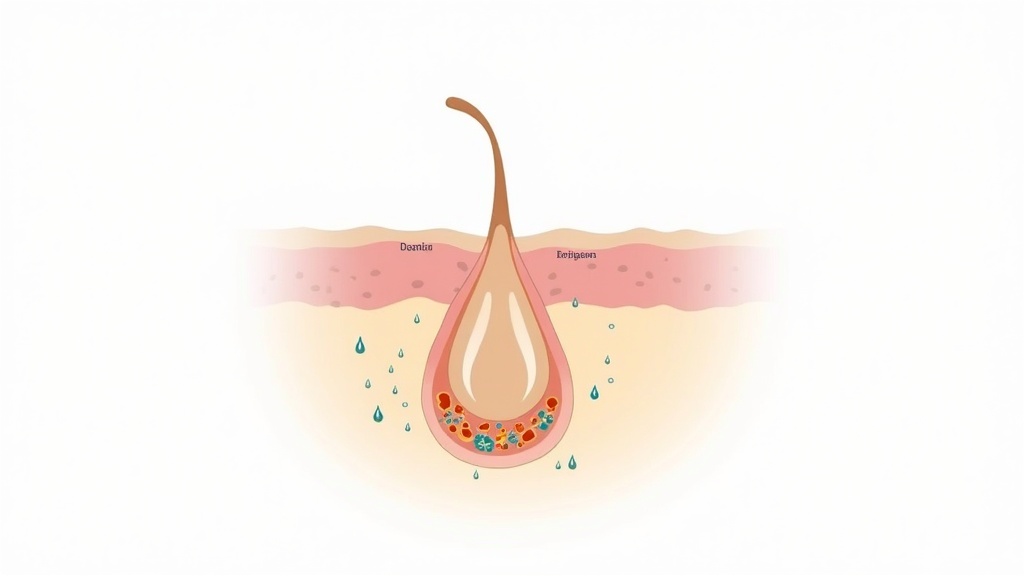
Onion juice is the most surprising entry on this list. It also has the strongest evidence among topical natural treatments for alopecia areata.
Sharquie et al. (2002, J Dermatol): A controlled trial applied crude onion juice to AA patches twice daily for 2 months. 86.9% of the onion juice group showed hair regrowth vs. 13% in the tap water control group. Regrowth was rated as "full" in 73.9% of the treatment group vs. 0% controls. Response was significantly better in males than females.
The mechanism is specific. Onions are among the richest dietary sources of quercetin, a JAK1/JAK2 inhibitor. Topical application delivers quercetin directly to the follicle. Onion juice also contains high concentrations of organic sulfur compounds (thiosulfinates) with documented anti-inflammatory and antimicrobial properties. These compounds reduce the local inflammatory cytokine environment around the follicle.
Protocol: Apply freshly juiced onion to affected patches twice daily. Leave for 15-30 minutes, then rinse. The smell is significant. Common side effects include scalp redness and irritation. Discontinue if irritation is severe. Patch test on a small area first.
Essential Oil Blend [Grade B]
Hay et al. (1998, Arch Dermatol): A randomized, double-blind, controlled trial of essential oils in 86 AA patients. The treatment group massaged a blend of thyme (2 drops), rosemary (3 drops), lavender (3 drops), and cedarwood (2 drops) in carrier oils (jojoba 3mL + grapeseed 20mL) into the scalp daily for 7 months. The control group used carrier oils alone. 44% of the essential oil group showed improvement on photographic assessment vs. 15% of controls (p = 0.008).
A properly conducted RCT published in a respected dermatology journal. The combination works through multiple mechanisms: rosemary and thyme carry documented anti-inflammatory properties, lavender reduces cortisol, and cedarwood has antimicrobial activity.
Rosemary Oil [Grade C for AA]
Rosemary oil has strong evidence for androgenetic alopecia (Panahi et al. 2015: comparable to 2% minoxidil at 6 months). The evidence is Grade C specifically for alopecia areata because the mechanism differs. Androgenetic alopecia is driven by DHT sensitivity; AA is autoimmune. Rosemary oil does contain carnosic acid and rosmarinic acid, which have documented anti-inflammatory properties and promote microcirculation.
If using: add 3-5 drops of rosemary essential oil to 1 tablespoon of carrier oil (jojoba or coconut). Massage into scalp daily. The Hay et al. essential oil blend already includes rosemary.
Garlic Gel [Grade C]
Hajhashemi et al. (2007, Indian J Dermatol Venereol): Garlic gel applied to AA patches alongside betamethasone valerate cream showed improved response vs. betamethasone alone. The study was small and used garlic as an adjunct to corticosteroids, not standalone. Garlic contains allicin and ajoene, both with immunomodulatory properties.
Diet and Nutrition [Grade B-C]
Anti-Inflammatory Diet
No randomized trial has tested a specific diet in alopecia areata patients. The mechanistic rationale is strong. AA is driven by pro-inflammatory cytokines (IFN-gamma, TNF-alpha, IL-2), the same cytokines that dietary patterns measurably influence.
The Mediterranean diet pattern reduces circulating inflammatory markers (hs-CRP, IL-6, TNF-alpha) in published RCTs. The Autoimmune Protocol (AIP) diet has documented clinical benefit in other autoimmune conditions. Konijeti et al. 2017 demonstrated 73% clinical remission in IBD. For AA patients considering dietary intervention, the AIP diet framework provides a structured approach, and our alopecia areata diet guide covers the condition-specific dietary protocol in full detail. For how alopecia dietary strategies compare to other autoimmune diets, see the autoimmune diet comparison guide.
Foods to emphasize:
- Fatty fish (salmon, sardines, mackerel): EPA/DHA reduce AA-driving cytokines
- Zinc-rich foods (oysters, pumpkin seeds, beef): zinc is Grade A for AA
- Vitamin D-rich foods (wild salmon, eggs, mushrooms exposed to UV)
- Bone broth: glycine, proline, and glutamine for gut barrier support
- Leafy greens and colorful vegetables: polyphenols with JAK pathway activity
- Fermented foods (sauerkraut, kimchi): microbiome diversity support
Foods to reduce or eliminate:
- Processed seed oils (soybean, corn, sunflower): promote pro-inflammatory eicosanoids
- Added sugar and refined carbohydrates: increase systemic inflammation markers
- Gluten (trial elimination): see below
- Alcohol: increases intestinal permeability
Gluten-Free Diet [Grade C]
Alopecia areata and celiac disease co-occur at rates above the general population. Studies estimate 1-8% of AA patients have concurrent celiac disease vs. approximately 1% in the general population. Both are HLA-linked autoimmune conditions.
For AA patients with celiac disease or confirmed non-celiac gluten sensitivity, gluten removal addresses a direct driver of intestinal permeability and systemic immune activation. For AA patients without celiac markers, the evidence for gluten removal is weaker. A 30-day strict elimination trial is reasonable to assess individual response, particularly if GI symptoms co-exist.
Stress Management [Grade B]
The Stress-AA Connection
Stress is one of the most commonly reported triggers for alopecia areata onset and flares. The psychoneuroimmunological mechanism is well-documented.
Psychological stress activates the hypothalamic-pituitary-adrenal (HPA) axis, increasing cortisol and corticotropin-releasing hormone (CRH). CRH is expressed in hair follicle epithelium and directly influences follicle cycling. Chronic stress also increases substance P release from sensory nerve fibers around hair follicles. Substance P promotes neurogenic inflammation, mast cell degranulation, and shifts the local immune environment toward the Th1 response that drives AA.
Arck et al. (2003, Am J Pathol) demonstrated in murine models that substance P triggers MHC class I upregulation on follicle cells, the exact mechanism that collapses immune privilege in AA.
Evidence-Based Stress Reduction
Mindfulness-Based Stress Reduction (MBSR): Multiple RCTs demonstrate that MBSR reduces cortisol levels, hs-CRP, and pro-inflammatory cytokine production. An 8-week MBSR program reduces the biological stress response that can trigger AA flares.
Cognitive Behavioral Therapy (CBT): AA carries significant psychological burden: anxiety, depression, and social avoidance are common. CBT addresses both the psychological impact and the biological stress load. Stress management is a mechanistically justified intervention for AA, not a secondary consideration.
Exercise: Moderate-intensity exercise (150+ minutes/week) reduces systemic inflammation markers (IL-6, TNF-alpha, hs-CRP) in published meta-analyses. Exercise also improves sleep quality, which independently affects immune regulation.
Stress management is not optional
If you can identify a stressful event preceding your AA onset or flares, stress management should be treated as a Tier 1 intervention alongside nutrient correction. Supplements alone will not overcome a chronically activated stress response that is sustaining the autoimmune attack.
Gut-Immune Connection [Grade C]
The AA Microbiome
Research published since 2020 has documented significant alterations in the gut microbiome of alopecia areata patients compared to healthy controls.
Lu et al. (2021, Clin Cosmet Investig Dermatol): Reduced microbial diversity and decreased abundance of Lactobacillaceae and Bifidobacteriaceae in AA patients. Increased relative abundance of Clostridiales, a pattern associated with gut permeability and systemic immune activation.
Moreno-Arrones et al. (2020, J Am Acad Dermatol): Confirmed gut dysbiosis in AA patients and identified specific bacterial signatures correlating with disease severity.
Approximately 70-80% of immune cells reside in the gut-associated lymphoid tissue (GALT). Intestinal dysbiosis increases zonulin release, opening tight junctions and allowing bacterial antigens to reach the systemic immune compartment. This creates background immune activation that lowers the threshold for autoimmune attack at peripheral sites, including hair follicles.
Gut-Targeted Interventions
- Probiotics: A 2024 double-blind, placebo-controlled RCT of Lactobacillus rhamnosus + Bifidobacterium longum over 24 weeks showed 56% of the probiotic group had reduction in alopecia plaques vs. 30% in placebo. The strongest direct probiotic evidence for AA to date. Use a multi-strain formulation, at least 10 billion CFU/day.
- L-Glutamine: 5g/day. Primary fuel for enterocytes; supports tight junction integrity.
- Bone broth or collagen peptides: Glycine and proline for mucosal barrier support.
- Prebiotic fiber: Inulin, resistant starch, diverse vegetables. Substrate for beneficial bacteria.
- Fermented foods: 2-3 servings/day of sauerkraut, kimchi, kefir. Increase microbial diversity.
For a deeper framework on gut healing in autoimmune conditions, see the gut-immune axis section in the Hashimoto's protocol.
Scalp Therapies [Grade C]
Microneedling
Microneedling (dermarolling) for alopecia areata is an emerging area with early positive results.
Faghihi et al. (2021): Microneedling + triamcinolone vs. triamcinolone alone. The microneedling group showed significantly faster and more complete regrowth. Microneedling creates controlled micro-injuries that stimulate platelet-derived growth factor (PDGF) and vascular endothelial growth factor (VEGF) release. Both promote follicle revascularization.
Protocol: 0.5-1.0mm needle depth for scalp, once weekly. Sterilize the device. Do not microneedle actively inflamed or erythematous patches. The goal is growth factor release and improved topical treatment penetration.
Low-Level Laser Therapy (LLLT)
LLLT (red light therapy, 650-670nm wavelength) has published evidence for androgenetic alopecia (FDA-cleared devices exist). Evidence in alopecia areata specifically is limited to small studies and case series.
The proposed mechanism: photobiomodulation increases mitochondrial ATP production in follicle cells, enhances microcirculation, and may reduce perifollicular inflammation. For AA, LLLT is reasonable as an adjunct used at home, daily, 10-20 minutes. It does not address the systemic immune dysfunction driving the condition.
Scalp Massage
Regular scalp massage (4-5 minutes/day with fingertip pressure) increases local blood flow to hair follicles. Koyama et al. 2016 showed standardized scalp massage increased hair thickness in healthy volunteers. The evidence in AA specifically is limited. Low-cost, zero-risk adjunct.
Advanced Integrative Approaches [Grade C]
Low-Dose Naltrexone (LDN)
LDN (1.5-4.5mg at bedtime) modulates the immune system through two documented mechanisms: transient opioid receptor blockade triggering endorphin upregulation, and TLR4 antagonism reducing microglial and immune cell inflammatory signaling.
No RCT has been completed for LDN in alopecia areata specifically. LDN has case reports and small studies across multiple autoimmune conditions. For AA patients with polyautoimmunity (AA + Hashimoto's, AA + another autoimmune condition), LDN addresses the shared immune dysregulation.
LDN requires a physician prescription and compounding pharmacy. Full evidence review: LDN for autoimmune disease.
Fasting Mimicking Diet (FMD)
Longo et al. demonstrated that fasting mimicking diet cycles promote autophagy and immune system regeneration. FMD induces selective destruction of damaged immune cells during the fasting phase, followed by stem cell-driven regeneration of new immune cells during refeeding.
For autoimmune conditions, this represents a potential mechanism for resetting the autoreactive T cell population attacking hair follicles. Evidence in AA specifically: none. The mechanistic case is derived from broader autoimmune research.
Protocol if pursuing: 5-day FMD cycles (800-1,100 calories/day from plant-based, low-protein sources) once per month for 3 cycles, then reassess. Do not attempt if underweight, pregnant, diabetic on insulin, or under 18.
What Labs to Run Before Starting
Before beginning any natural remedy protocol, ask your physician to run this baseline panel:
| Test | Reference Range | Functional Target for AA | Why It Matters |
|---|---|---|---|
| Serum zinc | 70-120 mcg/dL | 85-120 mcg/dL | Grade A intervention. Confirm deficiency |
| 25(OH)D (Vitamin D) | 30-100 ng/mL | 60-80 ng/mL | 60-80% of AA patients deficient |
| Ferritin | 13-150 ng/mL (F) | >70 ng/mL | Hair matrix cells require ferritin >70 |
| TSH + Free T3/T4 | 0.4-4.5 mIU/L | 1.0-2.5 mIU/L | 25-35% of AA patients have thyroid autoimmunity |
| TPO antibodies | <35 IU/mL | Lowest achievable | Screen for concurrent Hashimoto's |
| tTG-IgA | Negative | Negative | Screen for celiac disease (1-8% in AA) |
| CBC with differential | Lab-specific | Normal | Rule out anemia |
| hs-CRP | <3.0 mg/L | <1.0 mg/L | Baseline systemic inflammation marker |
If thyroid autoimmunity is present, the protocol expands significantly: selenium becomes relevant, myo-inositol for TSH normalization, and optimal lab targets change.
Your Complete Alopecia Areata Natural Protocol
Tier 1: Foundation (Start Here)
- Lab testing. Run the panel above before supplementing anything.
- Zinc picolinate. 50mg/day + 1-2mg copper (Grade A).
- Vitamin D3 + K2. 4,000-6,000 IU D3 + 100-200 mcg K2 daily; target 60-80 ng/mL.
- Iron correction. Only if ferritin <70 ng/mL (test first).
- Anti-inflammatory diet. Remove processed foods, seed oils, added sugar. Emphasize fatty fish, vegetables, zinc-rich foods.
- Stress management. Choose one: MBSR, CBT, daily meditation, or structured exercise program.
Tier 2: Condition-Specific (Add After 4-6 Weeks)
- Omega-3 EPA+DHA. 2,000-3,000mg combined daily.
- Onion juice topical. Twice daily to affected patches for 8+ weeks.
- Essential oil blend. Hay et al. formula: thyme + rosemary + lavender + cedarwood in jojoba/grapeseed, daily scalp massage.
- Gut protocol. Probiotic 10B+ CFU, L-glutamine 5g/day, prebiotic fiber, fermented foods.
Tier 3: Advanced (Add After 3-6 Months if Needed)
- Quercetin phytosome. 500-1,000mg/day (natural JAK1/2 inhibitor).
- Microneedling. 0.5-1.0mm, weekly on affected areas.
- LDN. 1.5-4.5mg at bedtime (requires prescription).
- Fasting mimicking diet. Monthly 5-day cycles for immune reset.
Timeline Expectations
Do not assess any intervention before 3 months. Hair follicle cycling means that even after the immune environment improves, visible regrowth takes 3-6 months. The supplements with clinical trial timelines (zinc, vitamin D) were evaluated at 3-6 months. Topical treatments (onion juice, essential oils) were evaluated at 2-7 months.
Frequently Asked Questions
What is the best natural remedy for alopecia areata?
Zinc supplementation has the strongest evidence: Grade A from multiple independent RCTs. Among topical treatments, onion juice has the most compelling trial data (86.9% regrowth rate vs. 13% control). The most effective approach combines multiple interventions: nutrient correction, anti-inflammatory diet, stress management, and topical treatments together.
Can natural remedies cure alopecia areata?
No. Natural remedies do not reverse the fundamental immune privilege collapse defining AA. For mild patchy AA, a comprehensive natural approach can support meaningful regrowth. For severe, rapidly progressive, totalis, or universalis AA, conventional dermatological treatment should be discussed alongside natural approaches.
How long do natural remedies take to work for alopecia?
Minimum 3-6 months before assessing response. Hair follicle cycling is slow. Clinical trials for AA interventions typically evaluate at 3-7 months. Do not change or abandon your protocol at 4-6 weeks.
Does stress cause alopecia areata?
Stress does not cause AA in isolation. It is a well-documented trigger for onset and flares. HPA axis activation, cortisol elevation, and substance P release from stress directly promote the Th1 immune shift and MHC class I upregulation that drive the autoimmune attack on hair follicles.
Is alopecia areata related to gut health?
Yes. Recent microbiome studies document significant gut dysbiosis in AA patients: reduced Lactobacillaceae and Bifidobacteriaceae, increased Clostridiales. Approximately 70-80% of immune cells reside in gut tissue. Intestinal dysbiosis and permeability create systemic immune activation that lowers the threshold for autoimmune attack on follicles.
Should I try the AIP diet for alopecia areata?
The AIP diet has not been tested specifically in AA patients. It has documented clinical benefit in other autoimmune conditions (73% remission in IBD, Konijeti et al. 2017). If you have concurrent food sensitivities or gut symptoms, a 30-60 day AIP elimination phase is a reasonable trial. For a full guide, see AIP diet for Hashimoto's. The framework applies to any autoimmune condition.
Does onion juice really work for alopecia?
Sharquie et al. (2002) showed 86.9% hair regrowth rate with twice-daily onion juice application over 2 months vs. 13% with tap water. The mechanism is plausible: onions are rich in quercetin (a JAK inhibitor) and sulfur compounds with anti-inflammatory properties. The study was small and has not been independently replicated at scale. The effect size was large.
Can I use natural remedies alongside JAK inhibitors?
Yes. Natural remedies address nutritional deficiencies, systemic inflammation, and stress, none of which JAK inhibitor drugs address. Correcting zinc deficiency, optimizing vitamin D, and managing stress are appropriate alongside baricitinib or ritlecitinib. Discuss all supplements with your prescribing dermatologist to check for interactions.
Evidence Summary
| Supplement | Evidence Grade | Key Evidence | Dose Range |
|---|---|---|---|
| Zinc | Grade A | Ozdemir et al. 2019 systematic review; Park et al. 2009 RCT; Sharquie & Najim 2002 RCT — consistent hair regrowth vs. placebo | 50 mg elemental zinc/day + 1-2 mg copper |
| Onion Juice (topical) | Grade B | Sharquie et al. 2002: 86.9% regrowth rate vs. 13% control over 2 months; quercetin + sulfur compound mechanism | Twice daily to affected patches, 15-30 min |
| Essential Oil Blend (topical) | Grade B | Hay et al. 1998 RCT (Arch Dermatol, n=86): thyme + rosemary + lavender + cedarwood; 44% improvement vs. 15% control (p=0.008) | Daily scalp massage in carrier oil |
| Vitamin D3 | Grade B | 60-80% of AA patients deficient; Rasheed 2013, Bakry 2016; VDR in hair follicle bulge; VITAL 2022 autoimmune incidence reduction | 4,000-6,000 IU/day; target 60-80 ng/mL |
| Omega-3 EPA+DHA | Grade B | Reduces IFN-gamma, IL-2, TNF-alpha (key AA cytokines); VITAL 2022 autoimmune incidence trend | 2,000-3,000 mg combined/day |
| Iron / Ferritin | Grade B — If Deficient | Du Pre et al. 2009 systematic review: ferritin significantly lower in AA; hair matrix requires ferritin >70 | 30 mg iron bisglycinate + vit C (if deficient) |
| Stress Management (MBSR/CBT) | Grade B | Arck et al. 2003: substance P triggers MHC-I upregulation in follicles; MBSR reduces cortisol and inflammatory cytokines in RCTs | 8-week MBSR program or regular CBT |
| Anti-Inflammatory Diet | Grade C | No AA-specific diet RCT; Mediterranean diet reduces hs-CRP, IL-6 in RCTs; AIP diet 73% remission in IBD (Konijeti 2017) | Ongoing dietary pattern |
| Quercetin | Grade C | Wang et al. 2020 murine model: JAK1/2 inhibition, regrowth comparable to ruxolitinib; no human RCT | 500-1,000 mg/day with piperine |
| Microneedling | Grade C | Faghihi et al. 2021: microneedling + triamcinolone superior to triamcinolone alone; stimulates PDGF/VEGF | 0.5-1.0 mm depth, weekly |
| LDN | Grade C | TLR4 antagonism + opioid receptor modulation; case reports across autoimmune conditions; no AA-specific RCT | 1.5-4.5 mg at bedtime (Rx required) |
Ozdemir et al. 2019 systematic review; Park et al. 2009 RCT; Sharquie & Najim 2002 RCT — consistent hair regrowth vs. placebo
50 mg elemental zinc/day + 1-2 mg copper
Sharquie et al. 2002: 86.9% regrowth rate vs. 13% control over 2 months; quercetin + sulfur compound mechanism
Twice daily to affected patches, 15-30 min
Hay et al. 1998 RCT (Arch Dermatol, n=86): thyme + rosemary + lavender + cedarwood; 44% improvement vs. 15% control (p=0.008)
Daily scalp massage in carrier oil
60-80% of AA patients deficient; Rasheed 2013, Bakry 2016; VDR in hair follicle bulge; VITAL 2022 autoimmune incidence reduction
4,000-6,000 IU/day; target 60-80 ng/mL
Reduces IFN-gamma, IL-2, TNF-alpha (key AA cytokines); VITAL 2022 autoimmune incidence trend
2,000-3,000 mg combined/day
Du Pre et al. 2009 systematic review: ferritin significantly lower in AA; hair matrix requires ferritin >70
30 mg iron bisglycinate + vit C (if deficient)
Arck et al. 2003: substance P triggers MHC-I upregulation in follicles; MBSR reduces cortisol and inflammatory cytokines in RCTs
8-week MBSR program or regular CBT
No AA-specific diet RCT; Mediterranean diet reduces hs-CRP, IL-6 in RCTs; AIP diet 73% remission in IBD (Konijeti 2017)
Ongoing dietary pattern
Wang et al. 2020 murine model: JAK1/2 inhibition, regrowth comparable to ruxolitinib; no human RCT
500-1,000 mg/day with piperine
Faghihi et al. 2021: microneedling + triamcinolone superior to triamcinolone alone; stimulates PDGF/VEGF
0.5-1.0 mm depth, weekly
TLR4 antagonism + opioid receptor modulation; case reports across autoimmune conditions; no AA-specific RCT
1.5-4.5 mg at bedtime (Rx required)
This article is for educational purposes only and does not constitute medical advice. Alopecia areata is a medical condition requiring proper diagnosis and physician supervision. Natural remedies do not replace conventional dermatological treatment, particularly for severe or rapidly progressive disease. Always consult your physician before starting any new supplement, dietary change, or topical treatment. Iron supplementation should only be undertaken after laboratory confirmation of deficiency.
Find out which interventions are right for your specific condition and profile. Take the free 3-minute AutoimmuneFinder quiz to get your personalized protocol.