Key takeaways
The 30-second version
- MCAS is treated with a layered protocol: a low-histamine diet for 4 to 6 weeks, natural mast cell stabilizers (quercetin Grade B, luteolin Grade B, vitamin C Grade B), H1 plus H2 antihistamines, and prescription stabilizers (cromolyn, ketotifen) when needed.
- MCAS is not histamine intolerance. HIT is a DAO enzyme deficiency. MCAS is pathological mast cell activation releasing histamine plus tryptase, prostaglandins, leukotrienes, and cytokines. The low-histamine diet alone rarely fixes MCAS.
- Diagnosis uses Consensus-1 (Valent 2019, stricter) or Consensus-2 (Molderings / Afrin, broader) criteria. Baseline tryptase is often normal in MCAS; the spike during a flare is what counts.
- Long COVID has driven a wave of new MCAS presentations. Afrin 2020 and Weinstock 2021 document up to 94 percent symptom overlap. MCAS, POTS, and hEDS cluster together in roughly two-thirds of hEDS patients (Seneviratne 2017).
- Build the stack one item per week. MCAS patients are reactive, and loading five new supplements on day one is how protocols fail. Address root causes in parallel: post-viral, mold, gut dysbiosis, connective tissue, chronic stress.
Want a version built around your symptoms and labs?
Take the 3-min quiz →Mast Cell Activation Syndrome (MCAS) is treated with a layered protocol: (1) a low-histamine diet for 4 to 6 weeks, (2) natural mast cell stabilizers including quercetin (Grade B), luteolin (Grade B), and vitamin C (Grade B), (3) H1 and H2 antihistamines, and (4) prescription stabilizers (cromolyn, ketotifen) when needed. Unlike histamine intolerance, which reflects DAO enzyme deficiency, MCAS involves pathological mast cell activation and needs stabilizers rather than histamine avoidance alone. This guide grades every intervention A, B, or C, maps the MCAS, POTS, and hEDS triad, and covers the rising post-COVID MCAS pattern.
Medical disclaimer: This article is educational, not medical advice. MCAS presentations vary widely, and many interventions carry interaction risks. Work with an allergist, immunologist, or functional medicine physician before starting or changing any protocol. Anaphylaxis requires emergency care and an EpiPen prescription, not supplements.
What Is MCAS?
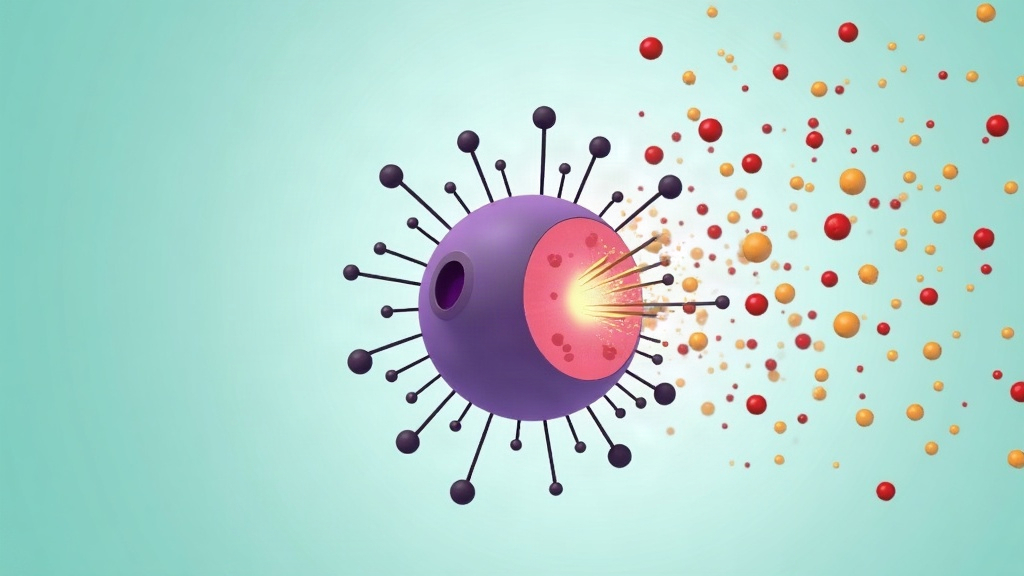
Mast cells are tissue-resident immune sentinels. They sit in the skin, gut lining, airways, bladder, and around blood vessels, anywhere the body meets the outside world. When they detect a threat through FcεRI receptors or other triggers, they degranulate, releasing histamine, tryptase, prostaglandin D2, leukotrienes, heparin, and more than two hundred additional mediators.
In healthy immune response, this is useful. In MCAS, it goes off-target and off-scale. Patients experience episodic, multi-system symptoms (flushing, hives, gut cramping, brain fog, rapid heart rate, anaphylaxis-adjacent reactions) triggered by ordinary inputs: a glass of wine, a warm shower, a stressful phone call, a supplement that should have been inert.
MCAS splits into three categories. Primary MCAS involves a clonal KIT D816V mutation and overlaps with mastocytosis (rare). Secondary MCAS reflects activation by a known driver: allergic, infectious, or autoimmune. Idiopathic MCAS is the largest bucket: real symptoms, real mediator release, no clear upstream cause. Prevalence estimates range from 1 to 17 percent depending on diagnostic criteria. The looser the criteria, the larger the number.
MCAS vs Histamine Intolerance: The Distinction That Matters
The most common diagnostic confusion in this space is treating MCAS and histamine intolerance as the same condition. They are not. Getting the distinction right determines which treatment will work.
| Feature | MCAS | Histamine Intolerance (HIT) |
|---|---|---|
| Root cause | Pathological mast cell activation — cells degranulate inappropriately | DAO enzyme deficiency — body cannot break down dietary histamine fast enough |
| Mediators released | Histamine + tryptase + prostaglandin D2 + leukotrienes + heparin + cytokines | Primarily histamine (from food and gut microbes) |
| Symptom onset pattern | Unpredictable, multi-system; flares from stress, heat, hormones, infection, foods, chemicals | Post-meal, dose-dependent on histamine load |
| Triggers | Infection, stress, heat, exercise, foods, chemicals, hormones, scents, medications | High-histamine foods, alcohol, DAO blockers (black tea, energy drinks) |
| Diagnostic markers | Consensus-1 (Valent) or Consensus-2 (Molderings/Afrin) criteria; tryptase ≥20% + 2 ng/mL above baseline during flare; urine N-methylhistamine, 11β-PGF2α, leukotriene-E4 | Low serum DAO activity + symptom response to elimination diet |
| First-line treatment | Mast cell stabilizers (quercetin, luteolin, cromolyn) + H1/H2 blockers + low-histamine diet | Low-histamine diet + DAO supplementation before meals |
| Serum tryptase elevation | Possible — >20% above baseline during flare (often normal at baseline) | No — tryptase is unaffected |
| Does low-histamine diet fix it alone? | No — diet reduces load but does not stop mast cell activation | Often yes — diet plus DAO is frequently sufficient |
MCAS and histamine intolerance share symptoms but have different root causes. MCAS is a factory problem (cells overproduce mediators); HIT is a plumbing problem (body cannot clear dietary histamine). Treatments overlap but are not identical.
Histamine intolerance is a clearance problem. The diamine oxidase (DAO) enzyme in the gut lumen breaks down dietary histamine. If DAO is low (genetic, medication-induced, or post-gastroenteritis), histamine builds up after meals. Symptoms track dose and timing. A low-histamine diet plus DAO supplementation often resolves it.
MCAS is a production problem. Mast cells activate and release a full cocktail: histamine, yes, but also tryptase, prostaglandin D2, leukotrienes, heparin, cytokines. Symptoms are multi-system and unpredictable. Triggers extend well beyond food to heat, stress, infections, chemicals, and hormones. Removing dietary histamine helps at the margin. It does not silence the mast cell.
Many patients have both. DAO deficiency and mast cell activation can coexist, which is why a subset of MCAS patients do benefit from DAO enzyme. Start with the distinction, then layer interventions based on which pathway is driving symptoms.
MCAS Diagnostic Criteria: Consensus-1 vs Consensus-2
Two competing diagnostic frameworks exist, and which one your physician uses changes whether you get diagnosed at all.
Consensus-1 (Valent et al., updated 2019, JACI Practice) is the stricter version. It requires three things: (1) episodic, multi-system symptoms consistent with mast cell activation, (2) objective mediator elevation during a flare, typically serum tryptase rising at least 20 percent plus 2 ng/mL above baseline, or elevated urine N-methylhistamine, 11β-prostaglandin-F2α, or leukotriene E4, and (3) a response to mast-cell-directed therapy. Most academic allergists use this framework.
Consensus-2 (Molderings, Afrin, and colleagues) is broader. It accepts lower mediator thresholds, a wider list of mediators, and earlier clinical diagnosis based on symptom pattern and therapeutic response. This framework captures patients whose tryptase stays in the normal range even during unmistakable flares.
The practical lab panel looks like this: serum tryptase at baseline and during a flare (timing matters; draw within four hours of peak symptoms), 24-hour urine N-methylhistamine, 11β-prostaglandin-F2α, chromogranin A, and a KIT D816V mutation test to rule out mastocytosis. Bone marrow biopsy is reserved for suspected mastocytosis.
Autoimmune overlap is the rule rather than the exception. MCAS patients frequently carry a Hashimoto's, Sjögren's, or connective tissue diagnosis. MCAS symptoms mimic flare patterns in several autoimmune conditions, and the interventions overlap. For a broader picture of how these presentations cluster, see our guide on how MCAS symptoms overlap with autoimmune conditions.
The Evidence-Graded MCAS Natural Treatment Stack
Every intervention below carries an evidence grade:
- Grade A: multiple RCTs or meta-analyses in humans
- Grade B: single RCT, strong mechanistic plus clinical evidence, or consistent case series
- Grade C: preliminary, mechanistic, or animal data only
Nobody in the MCAS supplement space grades honestly. Quercetin sits at Grade B, not Grade A, no matter what a supplement brand claims. We mark the difference.
| Intervention | Grade | Mechanism | Typical Dose | Key Evidence | Notes |
|---|---|---|---|---|---|
Quercetin Natural | Grade B | Inhibits histamine + PGD2 + TNF-α release; blocks calcium influx into mast cells | 250–500 mg 2–3× daily (phytosome or EMIQ form preferred) | Weng 2012 (PLOS ONE) — quercetin > cromolyn for blocking human mast cell cytokine release; Kempuraj 2005 (Br J Pharmacol) — flavonoid mechanism | Parent quercetin is poorly absorbed. Use phytosome or enzymatically modified isoquercitrin (EMIQ). |
Luteolin Natural | Grade B | Flavonoid; crosses blood-brain barrier; inhibits brain mast cells (neuro-MCAS symptoms) | 100–200 mg/day with olive kernel oil carrier (fat-soluble) | Theoharides series 2012–2022 — luteolin for mast-cell-mediated neuroinflammation; NeuroProtek pilot work | Lower-quality human data than quercetin but unique brain-fog and neuro-symptom application. |
Vitamin C Natural | Grade B | Cofactor for diamine oxidase; accelerates histamine breakdown; antioxidant | 1,000–3,000 mg/day, divided (liposomal or buffered tolerated better) | Johnston 1992, 1996 — 2 g/day lowered plasma histamine in asthmatics | Inexpensive baseline addition; well-tolerated. |
DAO supplementation Natural | Grade C | Oral diamine oxidase breaks down dietary histamine in gut lumen | 10,000 HDU, 15–20 min before meals | Comas-Basté 2019 (Biomolecules) — small RCTs in HIT, not pure MCAS | Helps if DAO deficiency is part of the picture; will not address mast cell activation itself. |
Low-histamine diet Diet | Grade B | Reduces dietary histamine load; does not treat underlying activation | Strict 4–6 weeks → structured reintroduction (SIGHI list reference) | Clinical consensus + Comas-Basté 2019 review; symptom reduction in observational cohorts | Watch for nutritional adequacy and disordered eating; not curative for MCAS alone. |
Vitamin D Natural | Grade B | Immune modulation; mast cell membrane stabilization; Treg support | 2,000–5,000 IU daily; target serum 40–60 ng/mL | VITAL trial 2022 — 22% reduction in autoimmune incidence; low D common in MCAS cohorts | Test before high dosing; pair with K2 if dosing >2,000 IU long-term. |
Omega-3 (EPA+DHA) Natural | Grade B | Dampens leukotriene pathway; resolvin/protectin generation | 2,000–3,000 mg combined EPA+DHA daily | Multiple RCTs in allergic and autoimmune inflammation; mechanism overlap with leukotriene pathway in MCAS | Choose IFOS-tested or molecularly distilled to minimize histamine contamination. |
Magnesium glycinate Natural | Grade C | Nervous system calming; cofactor for hundreds of enzymes; often depleted in MCAS | 200–400 mg elemental magnesium nightly | Mechanistic + symptom-improvement observational data | Glycinate form preferred; citrate can trigger gut symptoms in sensitive patients. |
NAC / glutathione Natural | Grade C | Replenishes glutathione; reduces oxidative stress associated with mast cell activation | NAC 600–1,200 mg/day; liposomal glutathione 250–500 mg/day | Mechanistic; small studies in oxidative-stress conditions; not MCAS-specific | Some MCAS patients react to sulfur-containing compounds — start low. |
Probiotics (histamine-friendly only) Natural | Grade C | Modulate gut-immune axis; 70% of mast cells reside in GI tract | L. rhamnosus GG, B. longum, B. infantis strains; 10–25 billion CFU | Strain-specific data; observational gut-MCAS axis literature | AVOID histamine-producing strains: L. casei, L. bulgaricus, L. helveticus. |
Cromolyn sodium (Rx) Prescription | Grade B for MCAS, A for mastocytosis | Mast cell stabilizer; blocks degranulation; poor systemic absorption (works locally in gut) | 100–200 mg PO 4× daily, 15–30 min before meals | Grade A in systemic mastocytosis (multiple RCTs); Grade B in MCAS — works for ~60% of patients | Strict empty-stomach timing required; compounding sometimes needed for liquid form. |
Ketotifen (Rx) Prescription | Grade B | H1 blocker + mast cell stabilizer; reduces degranulation and histamine effect | 1–2 mg twice daily (compounding pharmacy required in US) | Trials in mastocytosis and chronic urticaria; clinical use in MCAS supported by case series | Sedating; titrate slowly. Not FDA-approved in US — must be compounded. |
H1 blockers Prescription | Grade A | Block H1 histamine receptor; reduce skin, GI, neuro symptoms | Cetirizine 10 mg, loratadine 10 mg, fexofenadine 180 mg, hydroxyzine 25 mg (1–2× daily) | Decades of RCT evidence in allergic disease; first-line per all MCAS consensus criteria | Second-generation (cetirizine, loratadine, fexofenadine) preferred for daytime; hydroxyzine for severe flares. |
H2 blockers Prescription | Grade B | Block H2 histamine receptor; reduce GI, cardiovascular, headache symptoms | Famotidine 20–40 mg twice daily | Consensus-criteria endorsed; symptom benefit data in MCAS cohorts | Use famotidine — ranitidine was withdrawn due to NDMA contamination. |
Montelukast (Rx) Prescription | Grade C | Leukotriene receptor antagonist; targets non-histamine MCAS mediators | 10 mg nightly | Adjunct in respiratory MCAS and asthma overlap; case series in MCAS | FDA black-box warning for neuropsychiatric effects — discuss carefully with prescriber. |
Low-dose naltrexone (LDN) Prescription | Grade C | Toll-like receptor 4 antagonism; glial modulation; anti-inflammatory at low dose | 1.5–4.5 mg nightly (titrate from 0.5 mg) | Younger et al. framework; emerging data in long-COVID MCAS and autoimmune overlap | Off-label; promising signal in MCAS with autoimmune comorbidity. |
Grades reflect strength of human evidence for MCAS specifically. Discuss every dose with your healthcare provider before starting — MCAS patients are reactive and supplements are best added one at a time.
Quercetin (Grade B)
Quercetin is the natural mast cell stabilizer with the best combined mechanistic and clinical support. In vitro, it inhibits histamine release, prostaglandin D2, and TNF-α by blocking calcium influx into the mast cell. Kempuraj and Theoharides (2005, British Journal of Pharmacology) showed flavonols, including quercetin, suppress proinflammatory mediator release from human cultured mast cells. Weng et al. (2015) later demonstrated quercetin outperforming cromolyn on several mast cell activation parameters in cell culture.
The clinical signal is smaller. Weng et al. (2012, PLoS ONE) conducted a randomized trial in chronic urticaria using a flavonoid combination including quercetin and found significant skin symptom reduction versus placebo. Direct MCAS RCTs have not been published. The in vitro work is strong, the clinical work is consistent, and patient-reported outcomes in MCAS cohorts are favorable.
Dose: 250 to 500 mg twice or three times daily. Parent quercetin is poorly absorbed. Quercetin phytosome (lecithin-bound) or EMIQ (enzymatically modified isoquercitrin) has substantially better bioavailability. Discuss dosing with your doctor, especially if you take anticoagulants or blood pressure medications.
Timeline: 2 to 6 weeks for flare reduction. Full benefit at 8 to 12 weeks.
Luteolin (Grade B)
Luteolin is Theoharides' signature molecule. It is a flavonoid structurally related to quercetin, with one distinguishing feature: it crosses the blood-brain barrier. That makes it the preferred agent for neuro-MCAS symptoms including brain fog, headaches, dizziness, and mood reactivity.
Theoharides and colleagues have published two decades of mechanistic work on luteolin in mast-cell-mediated neuroinflammation, including pilot data in autism spectrum with mast cell involvement using a formulated product (NeuroProtek). Human RCTs in MCAS specifically remain thin. The signal is strongest for brain symptoms in patients whose systemic mast cell activity is already partially controlled.
Dose: 100 to 200 mg daily, taken with a fat-containing meal or olive kernel oil carrier (luteolin is fat-soluble).
Timeline: 4 to 8 weeks for neurological symptom improvement.
Vitamin C (Grade B)
Vitamin C accelerates histamine breakdown and acts as an antioxidant cofactor. Johnston and colleagues (1992, 1996) demonstrated that 2 grams daily lowered plasma histamine in asthmatic patients. In MCAS, vitamin C reduces ambient histamine load, provides general antioxidant support, and improves tolerance to other interventions.
Dose: 1,000 to 3,000 mg daily, divided across two or three doses. Buffered or liposomal forms are better tolerated in patients with gut-dominant MCAS. Very high doses cause loose stools, which is also the upper-tolerance signal.
DAO Supplementation (Grade C)
Oral diamine oxidase breaks down dietary histamine in the gut lumen before it crosses into circulation. Comas-Basté et al. (2019, Biomolecules) reviewed the small trial base and documented symptom reduction in histamine intolerance.
For MCAS-primary patients, DAO supplementation will not address mast cell activation itself. For the subset with combined MCAS and HIT, which is common, DAO before meals reduces food-triggered symptoms. Honest framing matters here: DAO helps if DAO deficiency is part of the picture, which requires symptom tracking rather than assumption.
Dose: 10,000 HDU, 15 to 20 minutes before meals. Efficacy varies by product. Enteric-coated formulations protect the enzyme from stomach acid.
Low-Histamine Diet (Grade B, Short-Term Trial)
The low-histamine diet reduces ambient histamine load from food. It does not treat the underlying mast cell activation. The SIGHI (Swiss Interest Group Histamine Intolerance) food list is the standard clinical reference and grades foods from 0 (freely tolerated) to 3 (avoid entirely).
Approach it as a four to six week diagnostic trial, not a permanent lifestyle. If symptoms drop 50 percent or more, histamine load was contributing. If symptoms are unchanged, mast cell activation is likely dominant and food restriction alone will not solve it. Structured reintroduction afterward restores nutritional adequacy and identifies individual thresholds.
Risks: nutritional inadequacy (the strict list removes most fermented foods, aged proteins, many vegetables, and leftovers), disordered eating reinforcement, and social isolation. Many patients cycle through unnecessary restriction because they never separated HIT from MCAS at the outset. For broader dietary framing across autoimmune conditions, see how the low-histamine diet compares to other autoimmune diets.
Vitamin D (Grade B)
Mast cells express vitamin D receptors. Low vitamin D correlates with higher mast cell reactivity and more severe allergic disease. MCAS patients are frequently deficient, often because photosensitivity drives indoor lifestyles. The VITAL trial (2022, BMJ) found 2,000 IU daily reduced new autoimmune disease incidence by 22 percent in the general population.
Dose: 2,000 to 5,000 IU vitamin D3 daily with fat, paired with 100 to 200 mcg vitamin K2 (MK-7). Target serum 25(OH)D between 40 and 60 ng/mL. Test every 3 to 6 months.
Omega-3 Fatty Acids (Grade B)
EPA and DHA shift eicosanoid synthesis away from the pro-inflammatory leukotriene pathway, the same pathway montelukast targets pharmacologically. In MCAS, this dampens one of the most symptomatic mediator classes.
Dose: 2,000 to 3,000 mg combined EPA plus DHA daily with meals. Triglyceride-form fish oil absorbs best. Discuss with your doctor if you take anticoagulants.
Magnesium Glycinate (Grade C)
Magnesium is often depleted in MCAS, particularly in patients with gut-dominant disease. Clinical support is mechanistic rather than trial-based. The glycinate form is well-tolerated and supports nervous system calming, which indirectly reduces mast cell activation through stress-pathway damping.
Dose: 200 to 400 mg elemental magnesium glycinate nightly.
NAC and Glutathione (Grade C)
N-acetylcysteine supports glutathione synthesis and reduces oxidative stress, which is elevated in MCAS. Clinical evidence in MCAS specifically is mechanistic. Some patients tolerate NAC poorly (sulfur sensitivity), so start low (300 mg) and titrate.
Probiotics (Grade C, Strain-Selective)
Probiotics in MCAS require careful strain selection. Histamine-friendly strains include Lactobacillus rhamnosus GG, Bifidobacterium longum, and Bifidobacterium infantis. Histamine-producing strains to avoid include Lactobacillus casei, Lactobacillus bulgaricus, and Lactobacillus helveticus. These can worsen symptoms.
Dose: 10 to 30 billion CFU daily of a strain-screened formulation.
Supplements to AVOID in MCAS
This list exists because conventional autoimmune advice often backfires in MCAS:
- Niacin (flush form): directly releases histamine. Non-flush niacinamide is tolerated.
- High-dose B6: reported mast cell activation in some patients.
- Histamine-producing probiotic strains: L. casei, L. bulgaricus, L. helveticus, Streptococcus thermophilus in some preparations.
- Elderberry, echinacea: immune activators. They drive the wrong direction for MCAS.
- Ashwagandha: mast cell activation reports are anecdotal but consistent enough to avoid.
- Bone broth: histamine accumulates during long simmers. Pressure-cooked or short-simmer broth is better tolerated.
For the cross-cutting supplement perspective across autoimmune conditions, see our full evidence-graded supplement guide.
Prescription Mast Cell Stabilizers: The Honest Context
Prescription options exist alongside the natural stack. Most MCAS patients end up using both. Here is the honest framing.
Cromolyn sodium (oral). Grade A for systemic mastocytosis. Grade B for MCAS specifically, where it still works but with a weaker evidence base. Poor systemic absorption means it acts mostly on gut-lining mast cells. Dosing is 100 to 200 mg four times daily, 15 minutes before meals and at bedtime, on an empty stomach. Adherence is the rate-limiting step.
Ketotifen. H1 antagonist plus mast cell stabilizer. Grade B in MCAS case series. Not FDA-approved in the US in oral form, which means a compounding pharmacy is required. Sedating at the start, usually manageable by week two. Dosing typically starts at 0.5 to 1 mg nightly and titrates to 2 to 4 mg daily divided doses.
H1 blockers. Cetirizine, loratadine, fexofenadine, hydroxyzine. First-line symptomatic relief. Non-sedating options for daytime, hydroxyzine at night for severe reactors. Many MCAS patients use two H1 blockers simultaneously (one sedating, one non-sedating) on the guidance of their allergist.
H2 blockers. Famotidine 20 to 40 mg twice daily. Addresses gut mast cell mediators and cardiovascular symptoms. Ranitidine was withdrawn in 2020 for NDMA contamination; do not substitute.
Montelukast. Leukotriene receptor antagonist. Adjunct for respiratory MCAS and skin symptoms. Carries a boxed warning for neuropsychiatric effects; discuss risk-benefit with your prescriber.
Low-dose naltrexone (LDN). Emerging, Grade C for MCAS specifically. Younger and colleagues established the broader anti-inflammatory mechanism through glial modulation and endorphin upregulation. LDN fits MCAS with autoimmune overlap or post-viral triggers. Typical dose is 1.5 to 4.5 mg nightly, titrated slowly. For a full review of mechanism and dosing, see our low-dose naltrexone for MCAS and autoimmune disease article.
Omalizumab (Xolair). Anti-IgE monoclonal antibody. Grade B in refractory MCAS. Reserved for patients who fail the above stack. Expensive, requires injection every two to four weeks, and requires a specialist.
Long COVID MCAS: The Post-Viral Surge
Since 2020, MCAS presentations have multiplied. The clinical pattern is distinctive: a patient contracts COVID-19, recovers from the acute infection, and six weeks later develops flushing, tachycardia, gut reactivity, and food intolerances they did not have before.
Afrin and colleagues (2020, International Journal of Infectious Diseases) proposed that COVID-19 hyperinflammation is driven by mast cell activation, and that the acute cytokine storm and the post-acute symptom cluster share the same dysregulated mast cell mechanism. The hypothesis was controversial in 2020. It has aged well.
Weinstock et al. (2021, International Journal of Infectious Diseases) documented a 94 percent symptom overlap between long COVID patients and MCAS patients using validated symptom inventories. The two populations were nearly indistinguishable on standardized questionnaires.
The mechanism appears to involve SARS-CoV-2 spike protein interaction with mast cells through TLR receptors, plus viral persistence in tissue reservoirs driving ongoing low-grade activation. Immune exhaustion after acute infection also reduces the surveillance that normally keeps mast cells in check.
Practical implication: if your MCAS onset followed a COVID infection, treat the MCAS as you would any other presentation, but layer in root-cause work. See our guide on post-COVID autoimmune patterns and EBV reactivation as a viral MCAS trigger, which is a common co-reactivator.
The MCAS–POTS–hEDS Triad
Postural Orthostatic Tachycardia Syndrome (POTS), hypermobile Ehlers-Danlos Syndrome (hEDS), and MCAS cluster together. Seneviratne and colleagues (2017, American Journal of Medical Genetics) documented mast cell disorders in hypermobile EDS patients at substantially higher rates than in the general population. Follow-up work suggests the triad appears in roughly two-thirds of hEDS patients, though exact percentages depend on diagnostic criteria.
The clinical triad
MCAS · POTS · hEDS
Seneviratne 2017: ~2 in 3 hEDS patients have MCAS, POTS, or both. If you have one, screen for the other two.
Shared mechanisms (center overlap)
- ·Connective tissue laxity allows mast cell migration into tissues
- ·Autonomic dysregulation directly triggers mast cell degranulation
- ·Mast cell mediators (tryptase, histamine) loosen connective tissue further
- ·CRH and adrenaline activate mast cells via stress pathway
Mast Cell Activation Syndrome
- ·Flushing, hives, itching
- ·GI cramping, diarrhea
- ·Brain fog, anxiety
- ·Anaphylactoid reactions
- ·Multi-system food/chemical sensitivity
Postural Orthostatic Tachycardia Syndrome
- ·Heart rate ↑ ≥30 bpm on standing
- ·Lightheadedness, presyncope
- ·Exercise intolerance
- ·Blood pooling in legs
- ·Adrenaline surges
Hypermobile Ehlers-Danlos Syndrome
- ·Joint hypermobility, subluxations
- ·Soft, stretchy skin
- ·Chronic joint pain
- ·Easy bruising, slow healing
- ·Fragile connective tissue
Each condition has its own symptom signature (outer rings), but they share a core biological substrate of connective tissue laxity, autonomic dysregulation, and mast cell activation that explains why they cluster.
The shared mechanisms are plausible. Connective tissue laxity (hEDS) may increase mast cell migration through interstitial spaces. Autonomic dysregulation (POTS) provides a persistent activation signal (heart rate shifts, blood pooling, adrenaline spikes) that mast cells interpret as threat. Mast cell mediators, particularly histamine and tryptase, in turn destabilize autonomic tone, creating a feedback loop.
The clinical implication is simple. If you have one of the three, screen for the other two. Joint hypermobility on the Beighton scale. Orthostatic vital signs (lying, standing after 3 and 10 minutes) for POTS. MCAS symptom inventory. Missing one member of the triad leaves the treatment incomplete. For POTS-specific management, see our POTS natural treatment protocol.
Root Causes: Why MCAS Shows Up
MCAS does not arise from nothing. Six drivers explain most presentations, and addressing them shifts baseline mast cell reactivity downward.
1. Post-viral activation. SARS-CoV-2 is the current dominant trigger, but EBV reactivation, Lyme, and other chronic viral patterns also drive mast cell dysregulation. Work through the EBV reactivation protocol if antibody panels suggest reactivation and symptom onset tracks a viral illness.
2. Mold and mycotoxin exposure. Chronic Inflammatory Response Syndrome (CIRS) overlaps heavily with MCAS. Mold exposure activates mast cells directly and through inflammatory cascade. Testing environment (ERMI, HERTSMI) and body (urine mycotoxins) matter. See our mold toxicity and autoimmune disease protocol.
3. Gut dysbiosis and leaky gut. Roughly 70 percent of mast cells in the body reside in the gastrointestinal tract. Dysbiosis, increased intestinal permeability, and bacterial translocation keep gut mast cells in a chronic low-level activation state. Our leaky gut protocol covers the 4R framework. For targeted gut repair, L-glutamine and BPC-157 have the strongest evidence.
4. Connective tissue (hEDS). Structural substrate. Not something a supplement reverses, but recognition changes how you pace activity, support joints, and anticipate triggers.
5. Chronic stress. Theoharides (2004, Journal of Molecular Medicine) demonstrated that corticotropin-releasing hormone (CRH) directly activates mast cells. Not indirectly through cortisol. Directly. Chronic stress operates as a pharmacological trigger. Meditation, vagus nerve work, and actually sleeping matter as clinical interventions.
6. Heavy metals and chemical exposures. Mercury, cadmium, and solvent exposures activate mast cells in predisposed individuals. Less common as a primary driver, but worth testing in patients with dental amalgams, industrial exposure, or smoker history.
Building Your MCAS Protocol (Step-by-Step Order)
MCAS patients are reactive. The single most common protocol failure is starting five supplements on the same day, triggering a flare, and abandoning the whole approach. Build in sequence.
Weeks 1 to 2: Baseline Symptom Control
- H1 blocker (cetirizine 10 mg daily or fexofenadine 180 mg daily)
- H2 blocker (famotidine 20 mg twice daily)
- Vitamin C 1,000 mg daily, divided
- Begin SIGHI low-histamine elimination diet
- Track symptoms daily (flare frequency, severity, food correlations)
Weeks 2 to 4: Add Primary Stabilizer
- Quercetin phytosome 250 mg twice daily with meals
- If neurological symptoms dominate (brain fog, headaches), add luteolin 100 mg daily
- Continue diet and baseline antihistamines
Weeks 4 to 6: Assess and Escalate
- Review symptom log. Is symptom burden down 50 percent or more?
- If yes: hold current protocol, begin structured food reintroduction
- If no: add DAO enzyme 10,000 HDU before meals, consider prescription cromolyn trial with your allergist
- Begin vitamin D (if deficient), omega-3, magnesium glycinate
Weeks 6 to 12: Root Cause Workup
- Full EBV panel, mold testing (ERMI home, urine mycotoxins), comprehensive stool analysis (GI-MAP or equivalent), Beighton score for hEDS
- Discuss LDN with prescriber if autoimmune overlap or post-viral trigger
- Layer in probiotics (strain-screened) if gut dysbiosis confirmed
Month 3 and Beyond: Optimize and Maintain
- Structured reintroduction of low-histamine foods, one every three days
- Advanced prescription options (ketotifen, montelukast, Xolair) for refractory cases
- Review every three to six months; MCAS is a dynamic condition and the protocol should flex with it
Take the free AutoimmuneFinder quiz → to receive a personalized evidence-graded protocol based on your specific symptom pattern, triggers, and overlap conditions. The quiz takes about three minutes.
Advanced Interventions for Refractory MCAS
When the standard stack plus diet plus antihistamines is insufficient, several advanced interventions deserve consideration under specialist supervision.
Fasting-mimicking diet. Short cycles of a fasting-mimicking protocol have shown immune-modulating effects in autoimmune populations. The mechanism involves autophagy, stem cell mobilization, and reduction of circulating inflammatory signals. Not a first-line intervention in MCAS, and requires caution because fasting itself can trigger histamine release. See our fasting-mimicking diet for immune reset review.
BPC-157. A synthetic peptide with mast-cell-adjacent anti-inflammatory effects and specific gut-healing activity. Useful where gut-dominant MCAS persists after 12 weeks of standard protocol. Research compound status applies. See the BPC-157 gut healing article.
IVIG. Intravenous immunoglobulin has a small body of evidence in refractory MCAS, mostly case series. Expensive, requires infusion, and reserved for patients who have failed multiple standard approaches.
When to See a Specialist
Some MCAS presentations require specialist care from the start. Do not attempt to self-manage the following:
- Anaphylaxis or near-anaphylaxis: airway involvement, blood pressure drops, loss of consciousness. EpiPen is mandatory. Emergency care for acute episodes.
- Refractory symptoms after 8 to 12 weeks of full protocol: signals missed diagnosis, coexisting condition, or a trigger you have not identified.
- Suspected mastocytosis: bone pain, unexplained anemia, baseline tryptase above 20 ng/mL, or KIT D816V mutation positive. Bone marrow biopsy and hematology/oncology referral are required.
- New-onset symptoms in pregnancy or perimenopause: hormonal MCAS patterns exist and need specialist-guided management.
Specialty types that make a difference: allergist-immunologist with MCAS experience (not all of them take MCAS seriously), functional medicine MD with mast cell knowledge, and in the US, practitioners affiliated with The Mast Cell Disease Society (TMS) or US-MCAS Coalition networks.
Frequently Asked Questions
What is the best natural treatment for MCAS?
A layered approach works best: a low-histamine diet for four to six weeks, quercetin phytosome 250 to 500 mg twice daily, vitamin C 1,000 to 2,000 mg daily, and H1 plus H2 antihistamines. Add luteolin for brain fog symptoms and DAO enzyme before meals if meal-triggered flares dominate. Discuss dosing with your doctor.
Is MCAS the same as histamine intolerance?
No. Histamine intolerance is a DAO enzyme deficiency that lets dietary histamine accumulate. MCAS is pathological mast cell activation releasing histamine, tryptase, prostaglandins, leukotrienes, and cytokines. Treatments overlap, but MCAS needs mast cell stabilizers, not just histamine avoidance. Many patients have both and need layered treatment.
Can MCAS be cured naturally?
MCAS is typically managed rather than cured. Many patients reach 70 to 90 percent symptom control with diet, supplements, and antihistamines. Addressing root causes (post-viral triggers, mold exposure, gut dysbiosis, chronic stress, connective tissue issues) can substantially reduce baseline mast cell activation. Some post-viral MCAS does remit fully over 12 to 24 months with appropriate treatment.
Does quercetin really stabilize mast cells?
Yes. In vitro studies (Kempuraj 2005, Weng 2015) show quercetin inhibits histamine and cytokine release from human mast cells, outperforming cromolyn in several head-to-head comparisons. A 2012 RCT in chronic urticaria (Weng et al., PLoS ONE) supports symptom reduction in humans. Bioavailability matters: quercetin phytosome or EMIQ absorbs far better than parent quercetin.
How long does it take for MCAS supplements to work?
Most people notice improvement within two to four weeks. Full benefit from a combined low-histamine diet plus mast cell stabilizer stack typically takes 8 to 12 weeks. Reduced flare frequency usually precedes reduced baseline symptoms, which is a useful early signal that the protocol is working.
Can long COVID cause MCAS?
Yes. Afrin et al. (2020) hypothesized MCAS as the driver of COVID-19 hyperinflammation, and Weinstock et al. (2021) documented a 94 percent overlap between long COVID and MCAS symptoms. Post-viral MCAS is now a recognized clinical pattern. The mechanism appears to involve spike protein interaction with mast cells and immune exhaustion that reduces normal mast cell surveillance.
Is MCAS an autoimmune disease?
Not in the classical sense. MCAS is immune dysregulation rather than self-directed autoimmunity. Mast cells are overactive rather than specifically attacking self-tissue. However, MCAS co-occurs with autoimmune conditions (Hashimoto's, Sjögren's, lupus, RA), shares triggers (viral, gut, stress), and responds to several of the same interventions. That is why we cover it on AutoimmuneFinder.
What foods should I avoid with MCAS?
High-histamine foods (aged cheese, cured meats, fermented foods including yogurt and sauerkraut, alcohol, vinegar, leftovers more than 24 hours old), histamine liberators (citrus, tomatoes, strawberries, chocolate, spinach, pineapple), and DAO blockers (alcohol, black tea, green tea, energy drinks). The SIGHI food list is the standard clinical reference. Individual tolerance varies. A four-week strict elimination followed by structured reintroduction identifies personal thresholds.
Does LDN help MCAS?
Emerging evidence places it at Grade C. Low-dose naltrexone's anti-inflammatory and glial-modulating effects may help in long-COVID MCAS and MCAS with autoimmune overlap. Typical dosing is 1.5 to 4.5 mg nightly, titrated slowly from 0.5 mg to avoid initial flare. Requires a prescription and a compounding pharmacy. Discuss with your prescriber.
Should I try cromolyn or quercetin first?
Most protocols start with quercetin plus H1 and H2 blockers plus a low-histamine diet. Cromolyn is a prescription with stronger formal evidence but poor systemic absorption and strict timing (four times daily, 15 minutes before meals and bedtime, on an empty stomach). Patients often add cromolyn after 8 weeks if the natural stack is insufficient. Many end up on both.
The Bottom Line
MCAS is treatable. The evidence stack is imperfect, the diagnostic criteria are contested, and the patient experience is frustrating. None of that changes the fact that most patients reach substantial symptom control with a disciplined layered protocol: low-histamine diet as a diagnostic trial, quercetin and luteolin as mast cell stabilizers, vitamin C and antihistamines as baseline support, cromolyn or ketotifen when the natural stack is not enough, and root-cause work running in parallel.
The three things that separate patients who improve from patients who stall: sequencing (one intervention per week), honesty about MCAS versus histamine intolerance, and a clinician who takes the diagnosis seriously.
Take the free AutoimmuneFinder quiz → for a personalized MCAS and autoimmune protocol matched to your symptom pattern, triggers, and overlap conditions. Three minutes, evidence-graded, no guessing.
This article is educational and does not constitute medical advice. MCAS diagnosis and treatment require physician involvement. Always consult your healthcare provider before starting any new supplement, diet, or medication protocol. Do not discontinue prescribed medications without medical guidance. Anaphylaxis is a medical emergency; call emergency services.