Polymyalgia rheumatica responds dramatically to prednisone. That same prednisone creates its own problems over the one to three years most patients take it: bone loss, muscle thinning, blood sugar shifts, mood changes, thinner skin. No diet and no supplement replaces prednisone for PMR. The 2015 EULAR/ACR guidelines are explicit on this. What a Mediterranean-style anti-inflammatory diet and a targeted supplement stack can do is make the taper safer. Vitamin D3 with calcium (Grade A, compulsory with steroids), boswellia (Grade B), curcumin (Grade B), omega-3 (Grade B), and magnesium (Grade B) each have a role. This guide is a steroid-sparing playbook for people on prednisone for PMR, not a replacement plan, and not a cure.
Key takeaways
The 30-second version
- PMR needs prednisone. Diet and supplements support the taper, they do not replace the drug.
- Vitamin D3 (2,000 to 4,000 IU) and calcium (1,000 to 1,200 mg total) are compulsory on prednisone. This is Grade A for bone protection.
- A Mediterranean-style anti-inflammatory diet lowers CRP and is well tolerated in older adults. Strict AIP is usually too restrictive.
- Boswellia, curcumin, omega-3, and magnesium each carry Grade B evidence for joint and muscle symptoms.
- Any new headache, scalp tenderness, jaw pain when chewing, or vision change is a same-day emergency. That is how giant cell arteritis announces itself.
Want a version built around your symptoms and labs?
Take the 3-min quiz →What Polymyalgia Rheumatica Actually Is
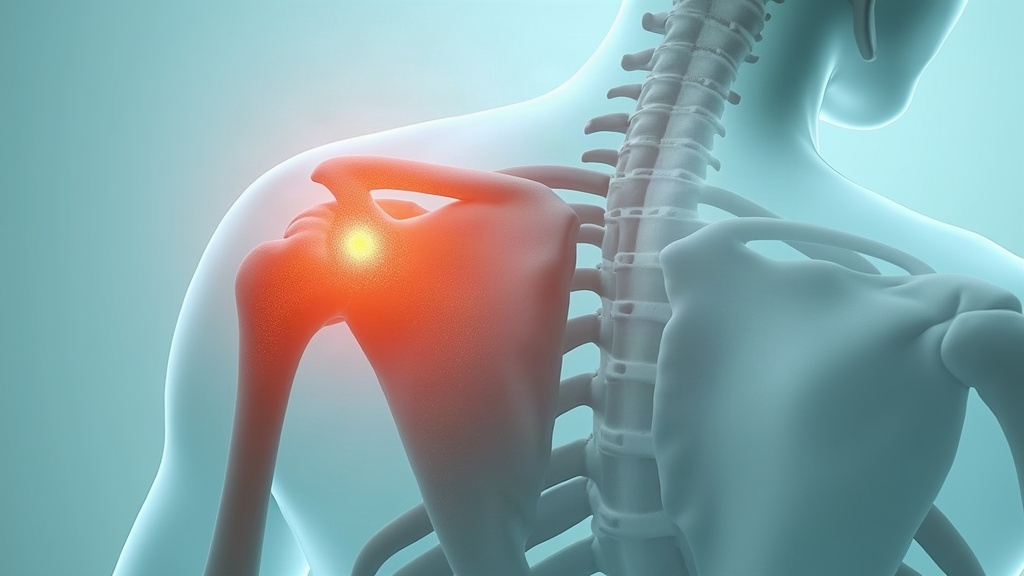
Polymyalgia rheumatica is an inflammatory condition of the tissues around the shoulder and hip girdle. It affects people over 50, with average onset around 70 to 75, and it is roughly two to three times more common in women, particularly those of Northern European descent.
The symptoms are recognizable. Pain and stiffness on both sides of the shoulders and hips, worst on waking, often 45 to 90 minutes of morning stiffness, trouble lifting the arms to wash the hair, and difficulty rising from a chair or getting out of bed. Blood markers of inflammation, ESR and CRP, are usually sharply elevated at diagnosis.
PMR is not rheumatoid arthritis. It does not destroy joints. The inflammation sits in the bursae and tendon sheaths, which is why the pain is severe without visible joint swelling. It is classified as an immune-mediated inflammatory condition rather than a classic antibody-driven autoimmune disease, which matters because anti-inflammatory protocols designed for autoimmune conditions transfer reasonably well.
The overlap that matters most is with giant cell arteritis. Roughly 15 to 20 percent of PMR patients develop GCA, and 40 to 50 percent of GCA patients have PMR. That is why any new headache or vision symptom during PMR treatment is taken seriously. More on that in a dedicated section below.
Standard treatment is prednisone, usually 12.5 to 25 mg per day (most often 15 to 20), followed by a slow taper over one to two years. The response is often striking. Patients who could not lift their arms yesterday can comb their hair tomorrow. This is part of how clinicians confirm the diagnosis.
Related reading on what autoimmune inflammation looks like across the body is in our autoimmune inflammation symptoms guide.
Can Diet Alone Treat Polymyalgia Rheumatica?
The honest answer is no. Not safely.
Untreated PMR can smolder for months to years. It drives severe deconditioning. And in 15 to 20 percent of patients, it is the prelude to giant cell arteritis, which can take the sight from one or both eyes within days if the prednisone is not high and not fast. That is not a risk worth trading against a diet experiment.
There is essentially no direct randomized trial evidence for any diet in PMR specifically. The best data are extrapolated from rheumatoid arthritis, from the broader Mediterranean-diet literature, and from glucocorticoid-induced osteoporosis research. This article will be explicit about that distinction throughout.
Diet and supplements still matter. They have four real jobs in PMR:
- Lower the baseline inflammatory tone so the taper has a better chance.
- Counter the predictable side effects of prednisone on bone, muscle, blood sugar, and gut.
- Reduce the odds and severity of relapse during taper.
- Protect cardiovascular health, which both PMR and long-term steroid use put under strain.
If someone tells you they cured their PMR with diet alone, they most likely had self-limiting shoulder pain, not PMR. Real PMR announces itself on prednisone. The question is how to live well on as little of it as possible, for as short a time as possible, with the fewest side effects.
Never stop prednisone abruptly. Doing so can trigger an adrenal crisis and a severe PMR relapse. Every change to the dose belongs in a conversation with your rheumatologist.
The Best Diet for PMR: Mediterranean, Adjusted
Why Mediterranean, Not Strict AIP
The autoimmune protocol diet is powerful in younger patients with active gut-driven disease. In a 72-year-old on prednisone who is already losing appetite, losing muscle, and watching the scale drift in either direction, AIP is usually the wrong tool. It is restrictive. It risks calorie deficit and muscle loss at a time when protein intake needs to go up, not down.
The Mediterranean pattern has the strongest evidence for lowering CRP in older inflammatory-condition populations, anchored by the PREDIMED cohort and by multiple RA sub-analyses. Extra-virgin olive oil carries a compound called oleocanthal that inhibits COX enzymes in a fashion reminiscent of ibuprofen, which fits the mechanism. The diet is also familiar, tolerable, and compatible with the rest of life at 70. That matters.
For a head-to-head of the seven most-studied autoimmune diets, see our anti-inflammatory diet comparison. The AIP protocol itself is a reasonable second move if the Mediterranean adjustments do not produce enough relief after three months.
What to Emphasize
Build the plate around olive oil, fish, vegetables, legumes, and whole fruit.
- Extra-virgin olive oil, 2 to 4 tablespoons per day, on salads and drizzled after cooking.
- Fatty fish two or three times a week: salmon, sardines, mackerel, anchovies, herring.
- Leafy greens, cruciferous vegetables, tomatoes, peppers, berries, citrus.
- Legumes most days, walnuts and almonds, seeds (flax, chia).
- Whole grains where tolerated. Gluten-free alternatives if joint symptoms track clearly with bread or pasta.
- Herbs and spices as real anti-inflammatories: turmeric, ginger, rosemary, garlic, oregano.
Protein intake is not optional. Prednisone drives muscle loss through Type II fiber atrophy, and the only counterweights are protein and resistance exercise. Aim for 1.2 to 1.6 grams per kilogram of body weight per day, distributed across meals, unless you have advanced kidney disease.
What to Pull Back On
- Ultra-processed food and sugary drinks. Prednisone already pushes blood sugar up.
- Refined carbohydrate loads (white bread, pastries, cereals). The combination with prednisone produces fasting-glucose elevations within weeks.
- Industrial seed oils (soybean, corn, cottonseed) in large amounts.
- Alcohol beyond occasional. Bone loss, liver stress, and interaction with steroids all add up.
- High-sodium processed food. Prednisone already causes fluid retention.
Foods to Avoid with PMR: What Is Real
- Nightshades. Very thin evidence. Consider a 30-day elimination only if a personal pattern is obvious (joint symptoms clearly worsening after tomato, pepper, potato, eggplant meals). Otherwise, keep them.
- Dairy. Mixed. Full-fat fermented dairy (yogurt, kefir) is useful for calcium and generally fine. Ultra-processed low-fat dairy products offer little.
- Gluten. No direct PMR evidence. If celiac disease is in the family, test before eliminating. If there is a clear joint-symptom link with wheat, the more targeted reading is in our gluten and joint inflammation article.
- Red meat. Moderate amounts of grass-fed meat are fine. Processed meat is not.
PMR Supplement Protocol (Evidence-Graded)
These are the supplements with meaningful evidence for either PMR symptoms, prednisone side effects, or underlying inflammation. Every claim below is graded honestly, and every extrapolation from other conditions is called out. A broader cross-condition view is in our evidence-graded supplement protocol.
| Supplement | Grade | Evidence | Why for PMR specifically |
|---|---|---|---|
| Vitamin D3 + Calcium | Grade A | ACR 2017 GIOP guidelines mandate combo for any patient on ≥5 mg prednisone for ≥3 months. Multiple RCTs show reduced bone loss on chronic corticosteroids. VITAL trial (2022): 2,000 IU D3 cut autoimmune incidence ~22%. | Compulsory bone protection. Prednisone-induced osteoporosis (GIOP) is the single largest long-term risk in PMR. Non-negotiable on chronic steroids. |
| Boswellia serrata (AKBA) | Grade B | Kimmatkar 2003 (knee OA RCT): significant pain and function improvement. Sengupta 2010 (5-LOXIN OA RCT): standardized AKBA-rich extract reduced pain and stiffness. No direct PMR RCT — extrapolated. | 5-LOX inhibition hits a pathway prednisone does not — complementary, not redundant. Useful for residual shoulder/hip stiffness during taper. |
| Curcumin | Grade B | Daily et al. 2016 meta-analysis (J Med Food): ≥1,000 mg/day bioavailable curcumin reduced pain/inflammation in RA and OA over 8–12 weeks, comparable to some NSAIDs. Chandran 2012 (RA RCT). No direct PMR RCT — extrapolated. | NF-κB and COX-2 downregulation. Adjunct for inflammatory tone during taper. Bioavailable forms (Meriva, Theracurmin) only. |
| Omega-3 (EPA/DHA) | Grade B | Proudman 2015 (RA RCT): high-dose fish oil reduced disease activity and NSAID need. Goldberg & Katz 2007 meta-analysis: reduced morning stiffness and tender joints in inflammatory joint disease. No direct PMR RCT — extrapolated. | Shifts eicosanoid balance away from arachidonic acid. Plus cardiovascular protection — PMR + chronic prednisone both raise CV risk. |
| Magnesium | Grade B | Multiple RCTs show magnesium glycinate/malate improves cramps, sleep quality, and insulin sensitivity. Prednisone causes documented renal magnesium wasting. | Counters prednisone-driven magnesium wasting → fewer cramps, better sleep, better blood-sugar response. Direct mitigation of a known steroid side effect. |
| Vitamin K2 (MK-7) | Grade C | K2 + D3 combo studies in postmenopausal osteoporosis show small BMD improvement; no PMR-specific trial. | Directs calcium into bone matrix rather than soft tissue. Synergizes with D3 + calcium for GIOP prevention. Avoid if on warfarin. |
| Probiotics (during steroid use) | Grade C | Indirect: multi-strain Lactobacillus + Bifidobacterium support GI symptoms during antibiotics/steroids in older adults. No PMR-specific trial. | Chronic prednisone shifts gut microbiota and raises Candida overgrowth risk. Supportive, not curative. |
| Adaptogens (ashwagandha, rhodiola, licorice) | Caution | Variably immune-stimulating. No PMR trial. Case reports of autoimmune flares with ashwagandha and Hashimoto-like conditions. | Default: avoid unless cleared by your clinician. Risk of flare on taper outweighs theoretical fatigue benefit. |
Evidence: ACR 2017 GIOP guidelines mandate combo for any patient on ≥5 mg prednisone for ≥3 months. Multiple RCTs show reduced bone loss on chronic corticosteroids. VITAL trial (2022): 2,000 IU D3 cut autoimmune incidence ~22%.
Why for PMR: Compulsory bone protection. Prednisone-induced osteoporosis (GIOP) is the single largest long-term risk in PMR. Non-negotiable on chronic steroids.
Evidence: Kimmatkar 2003 (knee OA RCT): significant pain and function improvement. Sengupta 2010 (5-LOXIN OA RCT): standardized AKBA-rich extract reduced pain and stiffness. No direct PMR RCT — extrapolated.
Why for PMR: 5-LOX inhibition hits a pathway prednisone does not — complementary, not redundant. Useful for residual shoulder/hip stiffness during taper.
Evidence: Daily et al. 2016 meta-analysis (J Med Food): ≥1,000 mg/day bioavailable curcumin reduced pain/inflammation in RA and OA over 8–12 weeks, comparable to some NSAIDs. Chandran 2012 (RA RCT). No direct PMR RCT — extrapolated.
Why for PMR: NF-κB and COX-2 downregulation. Adjunct for inflammatory tone during taper. Bioavailable forms (Meriva, Theracurmin) only.
Evidence: Proudman 2015 (RA RCT): high-dose fish oil reduced disease activity and NSAID need. Goldberg & Katz 2007 meta-analysis: reduced morning stiffness and tender joints in inflammatory joint disease. No direct PMR RCT — extrapolated.
Why for PMR: Shifts eicosanoid balance away from arachidonic acid. Plus cardiovascular protection — PMR + chronic prednisone both raise CV risk.
Evidence: Multiple RCTs show magnesium glycinate/malate improves cramps, sleep quality, and insulin sensitivity. Prednisone causes documented renal magnesium wasting.
Why for PMR: Counters prednisone-driven magnesium wasting → fewer cramps, better sleep, better blood-sugar response. Direct mitigation of a known steroid side effect.
Evidence: K2 + D3 combo studies in postmenopausal osteoporosis show small BMD improvement; no PMR-specific trial.
Why for PMR: Directs calcium into bone matrix rather than soft tissue. Synergizes with D3 + calcium for GIOP prevention. Avoid if on warfarin.
Evidence: Indirect: multi-strain Lactobacillus + Bifidobacterium support GI symptoms during antibiotics/steroids in older adults. No PMR-specific trial.
Why for PMR: Chronic prednisone shifts gut microbiota and raises Candida overgrowth risk. Supportive, not curative.
Evidence: Variably immune-stimulating. No PMR trial. Case reports of autoimmune flares with ashwagandha and Hashimoto-like conditions.
Why for PMR: Default: avoid unless cleared by your clinician. Risk of flare on taper outweighs theoretical fatigue benefit.
Educational only. Confirm doses, timing, and drug interactions with your rheumatologist or pharmacist before starting any supplement on prednisone.
Vitamin D3 and Calcium. Grade A. Compulsory.
Prednisone at 5 mg or more per day for three months or longer causes glucocorticoid-induced osteoporosis. The 2017 ACR guideline for prevention and treatment of GIOP, and the 2015 EULAR/ACR PMR guideline, both mandate calcium and vitamin D supplementation for every patient on chronic corticosteroids. This is not a preference. It is the standard of care.
The dose is vitamin D3 at 2,000 to 4,000 IU per day, with a target serum 25(OH)D of 40 to 60 ng/mL. Calcium is 1,000 to 1,200 mg per day total from diet and supplement combined, split into two doses because absorption plateaus near 500 mg at a time. Take D3 with a fat-containing meal. Keep calcium four hours away from levothyroxine if you take it, and from iron.
The VITAL trial (Hahn et al., BMJ 2022, n ≈ 25,800) found that 2,000 IU per day reduced new autoimmune disease incidence by 22 percent over 5.3 years. That is incidence data, not treatment data for established PMR, and it should not be overstated. What it does support is a low-risk, high-plausibility foundation.
Boswellia Serrata (AKBA). Grade B.
Boswellia extracts high in acetyl-11-keto-beta-boswellic acid (AKBA) inhibit 5-lipoxygenase, an inflammation pathway that prednisone does not directly address. That complementarity is part of the appeal.
The clinical evidence is in osteoarthritis and rheumatoid arthritis, not in PMR. Kimmatkar 2003 (Phytomedicine) showed significant knee pain and function improvement in a 12-week OA RCT. Sengupta 2010 (International Journal of Medical Sciences) replicated this with the 5-LOXIN standardized extract. Mechanistic data in RA are encouraging. There is no PMR-specific RCT. The extrapolation is reasonable because the downstream inflammatory mediators overlap, but it is an extrapolation.
Typical dose is 300 to 400 mg of a standardized extract (≥30 percent AKBA, or a proprietary 5-LOXIN or AprèsFlex product) two or three times per day with food. Mild GI upset is the most common complaint. Caution with blood thinners.
Curcumin. Grade B.
Curcumin blocks NF-κB and downregulates COX-2, both pathways implicated in PMR-associated inflammation. Daily et al. (Journal of Medicinal Food, 2016) pooled RA and OA trials and concluded that at least 1,000 mg per day of a bioavailable curcumin form reduced pain and inflammation over 8 to 12 weeks at a magnitude comparable to some NSAIDs. There is no PMR RCT. The RA extrapolation is reasonable. For the parent discussion see our curcumin for rheumatoid arthritis deep-dive.
Dose 500 to 1,000 mg per day of a high-bioavailability form such as Meriva, Theracurmin, or standardized extract paired with 5 to 10 mg piperine. Reduce or avoid if you take warfarin or a DOAC, or if you have active gallstone disease.
Omega-3 (EPA and DHA). Grade B.
EPA and DHA shift eicosanoid production away from pro-inflammatory arachidonic acid products and toward specialized pro-resolving mediators. The RA evidence is large. Goldberg and Katz 2007 (Pain) meta-analyzed omega-3 in inflammatory joint pain and found clinically meaningful reductions in morning stiffness and tender joint counts. Proudman et al. 2015 (Annals of the Rheumatic Diseases) reported high-dose fish oil as an adjunct to early RA therapy with improved remission rates. No PMR-specific trial exists.
Dose is combined EPA plus DHA at 2,000 to 3,000 mg per day from third-party tested fish oil, krill oil, or algal oil. Choose a product with IFOS or USP certification. Mild antiplatelet effect means anyone on aspirin, warfarin, or a DOAC should discuss dose with the prescriber.
Magnesium. Grade B for PMR support.
Prednisone causes renal magnesium wasting. The downstream symptoms are familiar: muscle cramps, restless legs at night, fatigue, poor sleep, and worsened insulin resistance. Magnesium glycinate or malate at 300 to 400 mg in the evening is well tolerated and addresses several of these at once. Lower the dose or consult your clinician if you have kidney disease.
Vitamin K2 (MK-7). Grade C.
K2 directs calcium into bone matrix rather than soft tissue and synergizes with D3. The evidence in postmenopausal osteoporosis shows modest bone mineral density improvements with K2 plus D3. There is no PMR-specific data. Typical dose is 90 to 180 mcg of MK-7 per day with D3. Do not add K2 on warfarin without your hematologist's input.
Probiotics During Steroid Use. Grade C.
Chronic prednisone shifts the gut microbiome and raises candida overgrowth risk. The evidence in older adults on steroids is indirect but directionally consistent with benefit. A multi-strain Lactobacillus plus Bifidobacterium product at 10 to 25 billion CFU is a reasonable starting point. Saccharomyces boulardii is worth considering if loose stools or mild candidiasis develop on prednisone.
Adaptogens: Use Caution
Ashwagandha, rhodiola, and licorice (glycyrrhizin) are variably immune-stimulating. In an immune-mediated condition managed with steroids, adding an immune stimulator is usually the wrong direction. Default to avoiding these unless cleared by your clinician. The fuller reasoning is in our ashwagandha and autoimmune thyroid article, which uses the same framework.
Steroid-Sparing Playbook: Protecting Yourself on Prednisone
The drug that treats PMR is the same drug that creates most of the long-term risk. A good complementary plan targets those risks directly, one organ system at a time.
Prednisone Protection Checklist — Five Body Systems
Review with your rheumatologist at every visit during taper.
Bone
Risk under prednisone
Glucocorticoid-induced osteoporosis (GIOP) — bone loss begins within weeks of starting prednisone, fastest in the first 3–6 months. Vertebral fracture risk rises at any dose ≥5 mg/day for ≥3 months.
Mitigation
- Vitamin D3 2,000–4,000 IU/day with breakfast
- Calcium 1,000–1,200 mg/day total (diet + supplement, split into ≤500 mg doses)
- Vitamin K2 (MK-7) 90–180 mcg/day for matrix mineralization
- Weight-bearing exercise (walking, resistance, balance work) most days of the week
- Bisphosphonate per ACR 2017 GIOP guidelines if moderate-to-high fracture risk
Monitoring marker
DEXA scan at baseline, then every 1–2 years. FRAX score with steroid adjustment.
Blood Sugar
Risk under prednisone
Steroid-induced hyperglycemia and new-onset diabetes — fasting glucose can climb within 1–2 weeks of starting prednisone, especially with refined-carb diet.
Mitigation
- Low-glycemic, protein-forward Mediterranean pattern
- Walk 10–15 minutes after each meal (strong post-prandial glucose effect)
- Magnesium 300–400 mg/day for insulin sensitivity
- Limit refined carbs, sweet drinks, ultra-processed foods
Monitoring marker
Fasting glucose + HbA1c at baseline, 1 month, 3 months, and after any dose increase.
Muscle
Risk under prednisone
Steroid myopathy — Type II fiber atrophy presenting as proximal weakness ("hard to stand from a chair, hard to lift arms"). Worse with deconditioning during PMR pain phase.
Mitigation
- Resistance training 2–3x/week (bodyweight or light bands progressing to dumbbells)
- Protein 1.2–1.6 g/kg/day, distributed across meals (within renal limits)
- Creatine monohydrate 3–5 g/day — modest strength signal in older adults
- Daily walking 20–40 min to preserve aerobic capacity
Monitoring marker
Sit-to-stand test at clinic visits; track grip strength or simple functional benchmarks at home.
Liver
Risk under prednisone
Compounded hepatic load — prednisone is liver-metabolized; risk amplified by alcohol, acetaminophen, NSAIDs, and methotrexate (if added as a steroid-sparer).
Mitigation
- Alcohol abstinence (or strict minimum) during taper
- Avoid stacking acetaminophen + NSAIDs + alcohol on the same day
- NAC 600–1,200 mg/day if on methotrexate or with elevated LFTs (clinician-directed)
- Adequate hydration; minimize unnecessary OTC and herbal stacking
Monitoring marker
AST, ALT, alkaline phosphatase, and bilirubin every 3–6 months — more often if on methotrexate.
Gut
Risk under prednisone
Steroid-induced gastritis and GI bleed — risk multiplies if NSAIDs are added. Microbiome disruption and Candida overgrowth are slower, additive effects.
Mitigation
- Multi-strain probiotic (Lactobacillus + Bifidobacterium) 10–25 billion CFU/day
- Daily fermented foods (kefir, yogurt, sauerkraut, kimchi)
- Fiber 25–35 g/day from vegetables, legumes, whole grains as tolerated
- PPI (clinician-directed) if on prednisone + NSAIDs concurrently
Monitoring marker
Track new heartburn, dark/tarry stools, or unexplained anemia — escalate same-day.
Adapted from EULAR/ACR 2015 PMR guidelines and ACR 2017 Glucocorticoid-Induced Osteoporosis guidelines. Educational only — individualize with your prescriber.
Bone Protection
Ask for a baseline DEXA scan at diagnosis or before starting chronic steroids, and repeat every one to two years. The ACR 2017 GIOP guidelines stratify fracture risk and recommend adding a bisphosphonate (alendronate, risedronate, zoledronate) for moderate-to-high risk patients. That call belongs to your rheumatologist. What you can do without asking is take the calcium, the D3, and the K2, and walk daily. Weight-bearing signal, even light, protects bone.
Blood Sugar Protection
Ask for fasting glucose and HbA1c before starting prednisone, then again at one month, three months, and any dose increase. Between lab visits, the single most-evidence-backed habit is a 10 to 15 minute walk after the two largest meals. It flattens the postprandial glucose spike that prednisone exaggerates. Low refined-carb, protein-forward meals reinforce the effect. Magnesium supports insulin sensitivity.
Muscle Preservation
Steroid myopathy feels like weak thighs and difficulty standing from a low chair. It is Type II fiber atrophy. The counter is protein and resistance. One to 1.6 grams of protein per kilogram of body weight, distributed across three meals. Resistance training two or three times per week, starting with bodyweight and bands and progressing to light dumbbells. Creatine at 3 to 5 grams per day in older adults on steroids has a modest but real strength and lean-mass signal at low risk, if your kidney function is normal.
Liver and Kidney Support
Prednisone is metabolized through the liver. Combined with acetaminophen, NSAIDs, or alcohol, the risk compounds. A standard liver panel every three to six months during chronic use is sensible. Hydration and lower sodium reduce the fluid retention prednisone causes.
Gut Protection
Prednisone plus NSAIDs raises GI bleed risk substantially. If you are on both, ask about a proton pump inhibitor. A daily probiotic and fermented foods (yogurt, kefir, sauerkraut, kimchi) support the microbiome under steroid pressure.
Methotrexate as Steroid-Sparing
The 2015 EULAR/ACR guidelines suggest methotrexate in patients at high risk of steroid toxicity or with frequent relapses. The trial evidence (Caporali 2004, van der Veen 1996) is modest. MTX allows a lower cumulative prednisone dose, but it is not a dramatic sparer. It is worth discussing if relapses are frequent or if steroid side effects are already severe.
Tocilizumab (Emerging)
The SEMAPHORE trial (Devauchelle-Pensec et al., JAMA 2022/2023) tested tocilizumab, an IL-6 receptor blocker, in relapsing PMR. It showed a meaningful steroid-sparing effect and sustained remission signal in the treatment arm. It is not first-line. It is a real option in patients who keep relapsing at 7.5 to 10 mg prednisone. Ask your rheumatologist.
A brief note on low-dose naltrexone: it has no direct PMR trial, but is used in adjacent conditions for pain and fatigue. It is not a replacement for prednisone and not a first move. It belongs on the long tail of options to discuss if conventional taper stalls.
Giant Cell Arteritis: Red Flags That Cannot Wait
This section matters more than any other in this article. Please read it carefully and share it with anyone who lives with you.
About 15 to 20 percent of PMR patients develop giant cell arteritis, an inflammation of the large vessels of the head and neck. Untreated GCA causes permanent blindness in one or both eyes, often within days of the first visual symptom. Once the sight is lost, it does not come back. The treatment, high-dose prednisone at 40 to 60 mg per day (often combined with tocilizumab), must be started immediately, not after a Monday appointment, not after a week of watching.
The red-flag symptoms, any one of which should trigger a same-day emergency room visit rather than a phone message:
- A new, different, or severe headache, often at the temples or scalp.
- Scalp tenderness. Hurts to comb the hair or rest the head on the pillow.
- Jaw claudication. The jaw muscle cramps or hurts while chewing a meal, and the pain eases with rest.
- Any visual change. Blurry vision in one eye. Double vision. A brief blackout of vision in one eye that comes and goes (amaurosis fugax). A shadow or curtain across the field of view.
- Sudden worsening of general malaise, fever, or weight loss during a taper.
Diagnosis is by temporal artery biopsy, high-resolution vascular ultrasound, or MR angiography for large-vessel involvement. None of this is done at home. None of this waits.
A simple rule for patients and families: any new above-the-neck symptom during PMR, or any vision change of any kind, is a same-day call to the rheumatologist or the emergency room. Not tomorrow. Today.
GCA red flags — same-day ER, not a Monday clinic
Amaurosis fugax (transient vision loss), jaw claudication (jaw cramp with chewing), scalp tenderness, new temporal headache, or any sudden visual change in a PMR patient. Untreated giant cell arteritis causes irreversible blindness within days. Do not wait.
| Feature | PMR | RA | GCA |
|---|---|---|---|
| Typical age at onset | ≥50; average 70–75 | Any age; peak 30–50 | ≥50; average 70+. Almost never under 50. |
| Pain location | Bilateral shoulder and hip girdle (proximal, periarticular) | Small joints — hands, wrists, feet — symmetric | Temporal headache, scalp tenderness, jaw with chewing |
| Joint swelling | No true synovitis (periarticular bursitis only) | Yes — visible synovitis, MCP/PIP swelling | No joint swelling (vessel-wall disease, not joint disease) |
| Morning stiffness | ≥45 min, often 60–120 min | ≥60 min, often longer | Variable; PMR-overlap symptoms common |
| CRP / ESR pattern | Markedly elevated; rapid drop on prednisone | Often elevated, slower response | Markedly elevated; ESR often >100 mm/hr |
| Autoantibodies (RF, anti-CCP) | Negative | Often positive (RF and/or anti-CCP) | Negative |
| First-line treatment | Prednisone 12.5–25 mg/day, slow taper over 1–2+ years | DMARDs (methotrexate first-line) ± biologics | Prednisone 40–60 mg/day immediately; tocilizumab often added |
| Vision risk | No direct vision risk — but ~15–20% develop GCA | Low (rare scleritis) | HIGH — permanent blindness within days if untreated |
| Most useful diagnostic test | Clinical criteria + ESR/CRP + dramatic prednisone response (24–72 h) | RF, anti-CCP, joint US/MRI, hand/foot X-rays | Temporal artery biopsy or high-resolution vascular ultrasound; MRA for large-vessel GCA |
PMR
Typical age at onset
≥50; average 70–75
Pain location
Bilateral shoulder and hip girdle (proximal, periarticular)
Joint swelling
No true synovitis (periarticular bursitis only)
Morning stiffness
≥45 min, often 60–120 min
CRP / ESR pattern
Markedly elevated; rapid drop on prednisone
Autoantibodies (RF, anti-CCP)
Negative
First-line treatment
Prednisone 12.5–25 mg/day, slow taper over 1–2+ years
Vision risk
No direct vision risk — but ~15–20% develop GCA
Most useful diagnostic test
Clinical criteria + ESR/CRP + dramatic prednisone response (24–72 h)
RA
Typical age at onset
Any age; peak 30–50
Pain location
Small joints — hands, wrists, feet — symmetric
Joint swelling
Yes — visible synovitis, MCP/PIP swelling
Morning stiffness
≥60 min, often longer
CRP / ESR pattern
Often elevated, slower response
Autoantibodies (RF, anti-CCP)
Often positive (RF and/or anti-CCP)
First-line treatment
DMARDs (methotrexate first-line) ± biologics
Vision risk
Low (rare scleritis)
Most useful diagnostic test
RF, anti-CCP, joint US/MRI, hand/foot X-rays
GCA
Typical age at onset
≥50; average 70+. Almost never under 50.
Pain location
Temporal headache, scalp tenderness, jaw with chewing
Joint swelling
No joint swelling (vessel-wall disease, not joint disease)
Morning stiffness
Variable; PMR-overlap symptoms common
CRP / ESR pattern
Markedly elevated; ESR often >100 mm/hr
Autoantibodies (RF, anti-CCP)
Negative
First-line treatment
Prednisone 40–60 mg/day immediately; tocilizumab often added
Vision risk
HIGH — permanent blindness within days if untreated
Most useful diagnostic test
Temporal artery biopsy or high-resolution vascular ultrasound; MRA for large-vessel GCA
Differential diagnosis is a clinical task. This table is educational — your rheumatologist confirms the diagnosis.
Monitoring: CRP, ESR, and Symptoms Through the Taper
ESR and CRP are the standard PMR markers. At diagnosis, both are usually sharply elevated, and both drop fast within two to four weeks of starting prednisone. During taper, they should stay low or normal if the disease is controlled.
A rising CRP with returning shoulder or hip stiffness is a flare, full stop. The usual move is to go back to the last effective dose for two to four weeks, then resume the taper more slowly. Do not raise or drop the dose on your own. Do not stop prednisone abruptly.
Roughly 20 to 30 percent of PMR patients have normal ESR or CRP despite active clinical disease. This means lab values are not the whole picture. Track morning stiffness duration, shoulder and hip range of motion, and how easily you get out of bed. Those symptoms are often the earlier signal than the blood work.
Suggested cadence: CRP and ESR monthly during active taper, then every three months on a stable maintenance dose. Add HbA1c, fasting glucose, liver panel, and 25(OH)D to the quarterly pull once the taper is underway. Review the numbers against your own trend, not just the reference range. A CRP of 8 mg/L is normal in absolute terms and meaningful if your baseline on a stable dose is 2. For the general approach to reading lab values alongside symptoms, see our Hashimoto's lab targets guide, which covers the same method applied to a different condition.
A simple home log is worth keeping for the first year: date, prednisone dose, minutes of morning stiffness, any new symptom above the neck, and the last CRP or ESR. Bring it to every rheumatology appointment. It saves time, and it catches patterns neither of you would see in a ten-minute visit.
PMR, Rheumatoid Arthritis, or Fibromyalgia?
The differential matters because the treatments differ. A thumbnail guide:
| Feature | PMR | RA | Fibromyalgia |
|---|---|---|---|
| Typical age at onset | ≥50, average 70 | Any age, peak 30 to 50 | 30 to 60 |
| Pain pattern | Shoulder and hip girdle, bilateral | Small joints of hands and feet, symmetric | Widespread tender points |
| Morning stiffness | ≥45 minutes, often 60 to 120 | ≥60 minutes | Variable, not inflammatory in pattern |
| Joint swelling | None (periarticular tissue only) | Yes (synovitis) | None |
| ESR / CRP | Sharply elevated | Often elevated | Normal |
| Autoantibodies | None | RF, anti-CCP | None |
| Prednisone response | Dramatic within 24 to 72 hours | Partial | None |
For the RA version of a complementary supplement stack, see our rheumatoid arthritis supplements guide. The curcumin-versus-diclofenac evidence sits in curcumin for rheumatoid arthritis.
Exercise for PMR: Gentle, Consistent, Non-Negotiable
Deconditioning and steroid myopathy are the two silent thieves of a year on prednisone. Both are reversible. Both respond to steady, unambitious movement.
A practical weekly shape:
- Walking. 20 to 40 minutes per day, flat or gently graded. Split into two walks if needed.
- Resistance training. Two to three sessions per week. Start with bodyweight (chair squats, wall pushups, band rows), progress over six to twelve weeks to light dumbbells or resistance bands. Two sets of eight to twelve reps per exercise.
- Flexibility. Daily shoulder and hip range-of-motion, gentle, especially in the first few weeks on prednisone when stiffness eases most.
- Balance. Simple single-leg stance, tandem walking near a counter. Fracture risk on steroids is real and balance work lowers it.
Time exercise for the part of the day when pain is lowest. Prednisone is usually dosed in the morning, so mid-morning through early afternoon often feels best. If a session produces pain that lasts more than two hours afterward, the dose of exercise was too high. Scale back, not out. A more general framework is in our gentle exercise guide for autoimmune fatigue.
Year One with PMR: A Practical Timeline
Week 1. Start prednisone at 15 to 20 mg, expect dramatic relief within 72 hours. Start vitamin D3 and calcium on day one. Book a baseline DEXA scan and baseline labs (CRP, ESR, fasting glucose, HbA1c, liver panel, 25(OH)D).
Weeks 2 to 4. Layer in Mediterranean diet shifts, fish oil, magnesium at night. Book rheumatology follow-up. Track the drop in CRP. Start gentle walking if not already.
Months 2 to 3. First taper attempt, usually to 12.5 to 15 mg. Consider adding boswellia and curcumin as taper-support during this window. Begin light resistance work.
Months 4 to 6. Continued gradual taper, typically 1 mg every four to eight weeks below 10 mg. Reassess bone health and cardiovascular risk. If relapses are frequent, raise the question of methotrexate or tocilizumab with your rheumatologist.
Months 6 to 12. Target maintenance 2.5 to 5 mg, or off. Keep the full supplement stack. Stay alert to GCA symptoms year-round, not only during flares. Stay on resistance training. This is often when strength and endurance return.
Year 2 and beyond. Most patients taper off in 18 to 24 months. Thirty to fifty percent have at least one relapse, usually in the first year. The diet and supplement structure, if already in place, handles a dose bump without disruption.
A note on mood. Prednisone can elevate mood at first and then flip to irritability, insomnia, and low mood as weeks accumulate. This is pharmacological, not personal. Daily movement, a consistent sleep window, and the magnesium dose at night all help. If mood symptoms become severe, raise them with your rheumatologist. Dose adjustments and adjunctive care exist. Do not suffer through it quietly.
A note on skin and bruising. Prednisone thins the skin, and bruises appear from contact that never used to bruise. This is expected and reversible once the dose comes down. Keep nails trimmed, use moisturizer daily, and accept that the forearms will look worse before they look better. It is not a sign of failing treatment.
Take the Next Step
PMR is a two-person job: you and your rheumatologist. The diet and supplement choices in this guide are the part you control between visits, and they can move the dial meaningfully on how safe the taper feels and how well the bones, muscle, and mood hold up through it.
Take the free AutoimmuneFinder quiz → for a personalized, evidence-graded complementary protocol shaped around your symptoms, current medications, and priorities. Three minutes, no cost.
Frequently Asked Questions
What is the best diet for polymyalgia rheumatica?
A Mediterranean-style anti-inflammatory diet has the strongest indirect evidence. Olive oil, fatty fish two or three times per week, vegetables, legumes, berries, nuts, and whole grains. It lowers CRP, offsets the blood sugar and weight effects of prednisone, and is well tolerated in older adults. Strict AIP is usually too restrictive in the 65-plus age range.
Can polymyalgia rheumatica be treated naturally without prednisone?
No, not safely. Untreated PMR drives severe deconditioning and, in 15 to 20 percent of patients, progresses to giant cell arteritis, which can cause permanent blindness. Diet and supplements support the taper. They do not replace prednisone.
What supplements should I take with polymyalgia rheumatica?
Vitamin D3 at 2,000 to 4,000 IU and calcium at 1,000 to 1,200 mg per day (total, from diet plus supplement) are compulsory on prednisone for bone protection. Boswellia, curcumin, omega-3, and magnesium each carry moderate evidence for joint and muscle symptoms. Vitamin K2 and probiotics are supportive. Discuss everything with your rheumatologist, especially if you take blood thinners.
How long does polymyalgia rheumatica last?
Most patients need prednisone for one to three years, with a gradual taper. About a third to half relapse during taper, which usually means returning to the last effective dose for two to four weeks and then tapering more slowly. Never stop prednisone abruptly.
What is the difference between polymyalgia rheumatica and rheumatoid arthritis?
PMR causes bilateral shoulder and hip girdle pain with no joint swelling. RA causes symmetric small-joint synovitis in hands, wrists, and feet. PMR affects people over 50 with sharply elevated ESR and CRP and responds to prednisone within 72 hours. RA typically has positive autoantibodies (RF, anti-CCP) and only a partial prednisone response.
When should I worry about giant cell arteritis?
Any new headache, scalp tenderness, jaw pain during chewing, or any vision change. Same-day emergency room visit. Untreated GCA causes irreversible blindness within days. This is the one symptom category that cannot wait.
Can I exercise with polymyalgia rheumatica?
Yes, and you should. Gentle resistance training two or three times per week, plus daily walking, counters steroid myopathy and protects bone. Start light, progress slowly, and do not exercise during peak pain times. A 20- to 40-minute walk and two short resistance sessions per week is a reasonable starting target.
Is methotrexate useful for polymyalgia rheumatica?
The 2015 EULAR/ACR guidelines suggest methotrexate for patients at high risk of steroid toxicity or with frequent relapses. The evidence is moderate. MTX allows a lower cumulative prednisone dose but is not a dramatic sparer. Tocilizumab, supported by the 2023 SEMAPHORE trial, is an emerging steroid-sparing option worth discussing with your rheumatologist for relapsing disease.
This article is for educational purposes only and does not constitute medical advice. Always consult your healthcare provider, and particularly your rheumatologist, before starting or changing any supplement, diet, or treatment protocol. Do not discontinue or reduce prednisone without medical guidance. Never stop prednisone abruptly. Any new headache, scalp tenderness, jaw pain during chewing, or vision change is a medical emergency and warrants same-day evaluation.