The most evidence-backed natural treatments for Sjögren's syndrome are omega-3 fatty acids (Grade B+, endorsed by the Sjögren's Foundation clinical practice guidelines), vitamin D3 (Grade B, patients average 18.76 ng/mL vs 26.04 ng/mL in healthy controls), and maqui berry extract (Grade B, increased tear production in a 74-patient RCT). NAC, frequently recommended online, failed to show benefit in a 2018 double-blind RCT with 60 patients. Most websites still omit this result. Natural approaches complement conventional care and address immune dysfunction that medications like pilocarpine and cevimeline do not target. Discuss all protocols with your healthcare provider before starting.
What Is Sjögren's Syndrome and Why Natural Approaches Matter
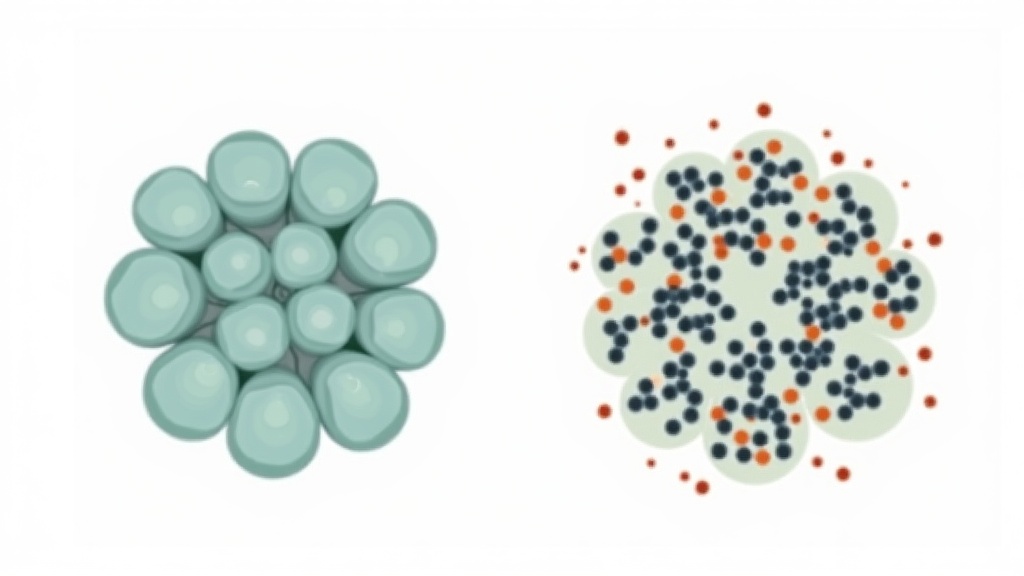
Sjögren's syndrome is a systemic autoimmune disease in which the immune system attacks the body's moisture-producing glands. It affects an estimated 1 to 4 million Americans, with a 9:1 female-to-male ratio. Most patients are diagnosed in their 40s or 50s, though the disease often begins years earlier.
The hallmark symptoms are dry eyes (keratoconjunctivitis sicca) and dry mouth (xerostomia). But Sjögren's is not just a dryness disease. Systemic manifestations include debilitating fatigue, joint pain, peripheral neuropathy, interstitial lung disease, and renal tubular acidosis. Approximately 5% of patients develop B-cell lymphoma, the most serious long-term risk.
Conventional treatment manages symptoms without addressing the underlying immune dysregulation. Pilocarpine and cevimeline stimulate residual gland function. Hydroxychloroquine is prescribed for joint pain and fatigue but has limited evidence for sicca symptoms. Rituximab is reserved for severe systemic disease.
Natural approaches occupy a distinct and complementary role. They target immune modulation, correct the nutrient deficiencies that sustain autoimmune activity, and address gut barrier dysfunction. Conventional Sjögren's treatment addresses none of these directly.
How We Grade the Evidence
Every intervention in this guide receives an evidence grade:
- Grade A: Multiple randomized controlled trials or meta-analyses in humans
- Grade B: Single RCT, multiple case series, or strong mechanistic plus clinical evidence
- Grade C: Preliminary, mechanistic, or animal evidence only
The Sjögren's supplement space is filled with unsubstantiated claims. Websites frequently cite a single positive trial from 1986 while omitting the larger negative trial that followed. We report both.
Omega-3 Fatty Acids: The Foundation Intervention [Grade B+]
Omega-3 fatty acids carry the strongest evidence of any natural intervention for Sjögren's syndrome. The Sjögren's Foundation includes omega-3 supplementation in its clinical practice guidelines for dry eye management. It is one of very few supplements to receive an official organizational endorsement for this condition.
The Evidence
A double-blind randomized controlled trial from Erbil-Iraq measured dry eye symptoms using a validated symptom score. The omega-3 group achieved a score of 4.85 compared to 8.27 in the placebo group, a significant improvement (p=0.001). Improvements extended across itching, photophobia, and mucous discharge. (Al-Naimi et al., Middle East Journal of Rehabilitation, 2025)
An earlier ARVO study specifically in Sjögren's patients found 61% reported perceived oral improvement compared to 36% in the placebo group. Unstimulated salivary flow also improved significantly (p=0.029). (ARVO Annual Meeting, 2015)
The mechanism is straightforward. EPA and DHA compete with arachidonic acid for cyclooxygenase enzymes, shifting eicosanoid production from pro-inflammatory prostaglandins toward anti-inflammatory resolvins and protectins. In Sjögren's, this reduces glandular inflammation and supports tear film lipid layer integrity.
Protocol
Dose: 2,000–3,000 mg combined EPA+DHA daily, divided with meals. Look for triglyceride-form fish oil or algal omega-3 for vegetarians.
Timeline: Allow 8–12 weeks for full effect. Omega-3 fatty acids must incorporate into cell membranes before producing measurable anti-inflammatory benefit.
Interaction note: High-dose fish oil has mild antiplatelet effects. If you take anticoagulants (warfarin, apixaban), discuss dosing with your prescriber.
Vitamin D: Correcting a Near-Universal Deficiency [Grade B]
Sjögren's patients are systematically vitamin D deficient, and correcting this deficiency may reduce disease risk and severity.
The Evidence
A 2023 systematic review and meta-analysis pooling 9 studies and 670 Sjögren's patients found significantly lower serum vitamin D levels: 18.76 ng/mL in Sjögren's patients versus 26.04 ng/mL in healthy women. Deficiency was associated with more severe dry eye symptoms, higher rates of peripheral neuropathy, and increased lymphoma risk. (Nutrients, 2023; PMC9920259)
A 2024 Mendelian randomization study published in Rheumatology strengthened the case by demonstrating a genetically causal association between vitamin D levels and reduced Sjögren's risk. This moves beyond correlation to causation. (Rheumatology, 2024)
The VITAL trial (n=25,871, 5.3 years) found vitamin D3 supplementation at 2,000 IU daily reduced new autoimmune disease incidence by 22%. The effect strengthened after 2 years of continuous supplementation. (BMJ, 2022)
Why are Sjögren's patients so commonly deficient? Photosensitivity drives indoor lifestyle habits. Chronic fatigue limits outdoor activity. Some Sjögren's medications further impair vitamin D metabolism.
Protocol
Dose: 2,000–5,000 IU vitamin D3 daily, taken with a fat-containing meal. Pair with vitamin K2 (MK-7, 100–200 mcg) for calcium metabolism.
Target: Serum 25(OH)D of 40–60 ng/mL. Test every 3–6 months until stable.
Safety: Well-tolerated at recommended doses. Avoid exceeding 10,000 IU daily without medical supervision.
Maqui Berry Extract: The Emerging Dry Eye Intervention [Grade B]
Maqui berry extract (standardized as MaquiBright) is a supplement most Sjögren's websites have never mentioned, despite two clinical trials demonstrating increased tear production.
The Evidence
A 2014 pilot trial tested MaquiBright at two doses in participants with dry eye symptoms. At 60 mg daily for 60 days, the Schirmer test (the objective measure of tear production) increased from 18.7 mm to 27.6 mm. Even the lower 30 mg dose increased tear volume from 16.3 mm to 24.4 mm. (PubMed 25208615, Panminerva Medica, 2014)
A larger double-blind placebo-controlled RCT with 74 participants confirmed these findings. The maqui berry group produced significantly more lacrimal fluid than placebo and reported reduced eye fatigue. (PMC6544612, Journal of Traditional and Complementary Medicine, 2019)
A 2023 clinical and molecular analysis confirmed the mechanism: delphinidins in maqui berry activate lacrimal gland secretion and protect tear film components from oxidative degradation. (PMC10276697)
These trials were conducted in general dry eye populations, not Sjögren's-specific cohorts. Keratoconjunctivitis sicca is the defining eye symptom of Sjögren's, and the mechanism (direct lacrimal gland stimulation) is relevant regardless of underlying etiology.
Protocol
Dose: 60 mg standardized maqui berry extract daily (look for MaquiBright branded extract, standardized for delphinidins).
Timeline: 4–8 weeks for measurable tear improvement based on trial data.
N-Acetylcysteine (NAC): The Honest Assessment [Grade C]
NAC is one of the most commonly recommended supplements for Sjögren's online. The evidence does not support the enthusiasm.
The Evidence
The positive data comes from a 1986 double-blind crossover trial with 26 Sjögren's patients. NAC improved ocular soreness, irritability, halitosis, and thirst. This trial is cited by nearly every website recommending NAC for Sjögren's. (PubMed 3296153)
What those websites do not mention: a 2018 double-blind placebo-controlled RCT with 60 female Sjögren's patients tested NAC at 1,200 mg daily for 90 days. The result was negative. No significant differences in the Ocular Surface Disease Index (OSDI), Schirmer test, or oxidative stress markers compared to placebo at either 30 or 90 days. (Clinical and Experimental Rheumatology, 2018)
The 2018 trial was larger, better designed, and more recent. The 1986 trial was a crossover study with 26 participants and less rigorous methodology.
Our Assessment
NAC may have mucolytic benefits for Sjögren's patients with respiratory dryness. It is an effective mucus thinner through a different mechanism. But for dry eyes, the larger and more rigorous trial found no benefit. We grade NAC at C for Sjögren's dry eyes, downgraded from the historical claims.
If you choose to trial NAC, 600–1,200 mg daily is the typical dose range. Manage expectations accordingly.
Pycnogenol: Dual Benefit for Eyes and Mouth [Grade B-]
Pycnogenol (French maritime pine bark extract) is an under-recognized option for Sjögren's with a notable advantage: it is one of the few supplements showing improvement in both dry eyes and dry mouth.
The Evidence
A clinical study compared Pycnogenol (n=16) to standard treatment alone (n=14) in Sjögren's patients in remission phase. The Pycnogenol group showed significantly improved dry eye symptoms, significantly improved mouth dryness, and reduced need for corticosteroids. (PubMed 30328688, Panminerva Medica, 2018)
The mechanism involves procyanidins and bioflavonoids with combined antioxidant and anti-inflammatory activity. Pycnogenol has also shown positive results in lupus and Behçet's disease studies.
Limitations
The study was small and not placebo-blinded, which limits confidence. We grade Pycnogenol at B- pending larger confirmatory trials.
Protocol
Dose: 100–150 mg daily with food.
Timeline: 4–8 weeks for effect assessment.
Low-Dose Naltrexone: For Pain and Fatigue, Not Dryness [Grade C]
LDN has generated interest across autoimmune conditions, and Sjögren's patients frequently ask whether it can help. The answer depends entirely on which symptoms you are targeting.
The Evidence
Two published case reports document Sjögren's patients treated with LDN at 4.5 mg nightly. Both reported significant improvement in arthralgia (joint pain) and fatigue, the systemic symptoms that often prove more debilitating than dryness itself. (PMC6510571, 2019; PMC7398709, 2020)
The critical nuance that no other Sjögren's website clearly states: LDN did not improve sicca symptoms. Dry eyes and dry mouth were unchanged in these reports. LDN works through transient opioid receptor blockade, leading to endorphin upregulation and microglial modulation. This addresses pain signaling and immune regulation, not glandular secretion.
Who Should Consider LDN
LDN is best suited for Sjögren's patients whose primary burden is musculoskeletal pain or debilitating fatigue, particularly those who have not responded adequately to hydroxychloroquine. It is not a treatment for dryness.
For a comprehensive guide to LDN dosing and mechanism, see our LDN for autoimmune conditions deep-dive.
Protocol
Dose: Start 0.5 mg nightly, titrate by 0.5 mg weekly to target of 3–4.5 mg. Compounding pharmacy required.
Timeline: 8–12 weeks at target dose before assessing response.
Dietary Approaches for Sjögren's
The Mediterranean Diet [Grade B]
The Mediterranean diet has the strongest dietary evidence for Sjögren's. A study published in Clinical and Experimental Rheumatology found that higher Mediterranean diet adherence was associated with lower likelihood of Sjögren's diagnosis and reduced symptom severity. Higher omega-3 intake specifically correlated with fewer ocular and salivary symptoms.
The Sjögren's Foundation publishes an anti-inflammatory diet patient education sheet that closely mirrors Mediterranean principles: emphasize fatty fish, olive oil, leafy greens, berries, nuts, and legumes. Minimize processed foods, refined sugars, alcohol, and excess caffeine. All of these worsen dryness.
Gluten-Free Consideration [Grade C]
A 2025 systematic review on nutritional interventions for Sjögren's noted that some patients showed improvement on a gluten-free diet, though evidence remains preliminary. Unlike celiac disease, there is no established mechanism for gluten sensitivity in Sjögren's. Consider a 60–90 day elimination trial if other dietary changes prove insufficient.
The AIP Diet [Grade C for Sjögren's]
The Autoimmune Protocol (AIP) has no Sjögren's-specific RCTs, but demonstrated 73% clinical remission in IBD (Konijeti et al., 2017) and significant symptom reduction in Hashimoto's (Abbott et al., 2019). The AIP removes common immune triggers including grains, dairy, eggs, nightshades, nuts, and seeds, then systematically reintroduces them. It is highly restrictive. Start with the Mediterranean diet and escalate to AIP only if response is insufficient. See our AIP diet guide for the full protocol.
The Gut-Immune Connection in Sjögren's
Sjögren's is not confined to the salivary and lacrimal glands. It has a gut component that most treatment approaches ignore.
Dysbiosis Is the Rule, Not the Exception
A 2020 study published in PLOS One confirmed significant gut dysbiosis in Sjögren's patients compared to healthy controls. Bacterial diversity was reduced, and specific inflammatory species were enriched.
A 2024 Mendelian randomization study in Biomedicines went further: it established a genetically causal relationship between specific gut microbiota compositions and Sjögren's risk. The genetic evidence indicates that gut microbial changes actively contribute to disease development, not merely correlate with it.
Probiotics and Fecal Transplant
In animal models, Lactobacillus acidophilus ameliorated Sjögren's symptoms through the STIM1-STING signaling pathway. (Cell Communication and Signaling, 2023)
A pilot fecal microbiota transplant (FMT) study found that 50% of Sjögren's subjects reported improved dry eye symptoms after transplant. Evidence remains preliminary, but the direction is consistent with the dysbiosis data.
For patients interested in gut health optimization, a multi-strain probiotic (10–50 billion CFU daily) is a reasonable starting point. Combine with prebiotic fiber from diverse plant sources. For advanced gut healing strategies, see our BPC-157 gut healing protocol.
Lifestyle and Stress Management
Stress is a documented trigger for Sjögren's flares. HPA axis dysfunction, the stress-immune feedback loop, drives cortisol dysregulation that amplifies autoimmune activity.
Mind-body practices with evidence in autoimmune populations include meditation, yoga, and tai chi. While no Sjögren's-specific RCTs exist for these interventions, the anti-inflammatory effects of regular mindfulness practice are well documented across chronic inflammatory conditions.
Sleep optimization is non-negotiable. Sleep deprivation increases IL-6, TNF-alpha, and CRP: the same inflammatory mediators driving Sjögren's glandular destruction. Prioritize 7–9 hours of uninterrupted sleep. Address sleep apnea if present; it is underdiagnosed in Sjögren's.
Acupuncture is cited by the Johns Hopkins Sjögren's Center as a complementary option for joint and muscle pain management. Evidence for dry eye improvement via acupuncture is limited to small studies.
Environmental modifications provide immediate symptom relief: humidifiers in bedroom and workspace, wraparound moisture chamber glasses, xylitol-containing lozenges for dry mouth, and aggressive hydration (the Sjögren's Foundation recommends sipping water throughout the day rather than drinking large amounts at intervals).
What's on the Horizon: Ianalumab and the Future of Sjögren's Treatment
For decades, Sjögren's has had no targeted pharmaceutical treatment. That is about to change.
Novartis's ianalumab, an anti-BAFF receptor monoclonal antibody that depletes B cells and blocks the BAFF survival signal simultaneously, completed two Phase III trials in 2025. Both met their primary endpoints, demonstrating significant improvement in disease activity. The FDA granted Breakthrough Therapy designation, and Novartis has begun regulatory submissions for 2026.
If approved, ianalumab would be the first targeted treatment specifically developed for Sjögren's disease. This is a landmark moment for the condition.
Why does this matter for natural approaches? Even with ianalumab, the underlying drivers (nutrient deficiency, gut dysbiosis, chronic inflammation, environmental triggers) remain unaddressed by any pharmaceutical. Natural protocols will continue to serve a complementary role: optimizing the terrain in which both the immune system and any medication operate.
Building Your Sjögren's Natural Protocol
| Supplement | Evidence Grade | Key Evidence | Dose Range |
|---|---|---|---|
| Omega-3 (EPA+DHA) | Grade B | Erbil-Iraq double-blind RCT: dry eye score 4.85 vs 8.27 placebo (p=0.001). ARVO study: 61% oral improvement vs 36% placebo; salivary flow p=0.029. Sjögren's Foundation guideline endorsement. | 2,000-3,000 mg EPA+DHA daily |
| Vitamin D3 | Grade B | Meta-analysis (9 studies, 670 SS patients): significantly lower vitamin D (18.76 vs 26.04 ng/mL). Mendelian randomization (Rheumatology 2024): causal protective effect. VITAL trial: 22% autoimmune reduction. | 2,000-5,000 IU daily; target 40-60 ng/mL |
| Maqui Berry (MaquiBright) | Grade B | Pilot trial 2014: Schirmer test 16.3→24.4 mm (30 mg), 18.7→27.6 mm (60 mg). RCT 2019 (74 patients): significantly higher lacrimal fluid vs placebo. | 60 mg standardized extract daily |
| Pycnogenol | Grade B | SS remission-phase study (n=16 vs n=14): significantly improved dry eyes and mouth dryness; reduced corticosteroid need. Small sample, not blinded. | 100-150 mg daily |
| Probiotics | Grade C | PLOS One 2020: gut dysbiosis confirmed in SS. L. acidophilus ameliorated SS in animal models. FMT pilot: 50% improved dry eye. Mendelian randomization: causal gut-SS link. | Multi-strain, 10-50 billion CFU daily |
| NAC | Grade C | 1986 crossover trial (n=26): positive for ocular symptoms. 2018 double-blind RCT (n=60, 1,200 mg/day): NO significant benefit for dry eyes at 90 days. Downgraded. | 600-1,200 mg daily (if trialing) |
| Evening Primrose Oil (GLA) | Grade C | 1986 crossover: not significant vs placebo. 2002 RCT (n=90, 6 months): NO significant improvement in fatigue, dryness, or Schirmer test. Downgraded. | Not recommended based on evidence |
Erbil-Iraq double-blind RCT: dry eye score 4.85 vs 8.27 placebo (p=0.001). ARVO study: 61% oral improvement vs 36% placebo; salivary flow p=0.029. Sjögren's Foundation guideline endorsement.
2,000-3,000 mg EPA+DHA daily
Meta-analysis (9 studies, 670 SS patients): significantly lower vitamin D (18.76 vs 26.04 ng/mL). Mendelian randomization (Rheumatology 2024): causal protective effect. VITAL trial: 22% autoimmune reduction.
2,000-5,000 IU daily; target 40-60 ng/mL
Pilot trial 2014: Schirmer test 16.3→24.4 mm (30 mg), 18.7→27.6 mm (60 mg). RCT 2019 (74 patients): significantly higher lacrimal fluid vs placebo.
60 mg standardized extract daily
SS remission-phase study (n=16 vs n=14): significantly improved dry eyes and mouth dryness; reduced corticosteroid need. Small sample, not blinded.
100-150 mg daily
PLOS One 2020: gut dysbiosis confirmed in SS. L. acidophilus ameliorated SS in animal models. FMT pilot: 50% improved dry eye. Mendelian randomization: causal gut-SS link.
Multi-strain, 10-50 billion CFU daily
1986 crossover trial (n=26): positive for ocular symptoms. 2018 double-blind RCT (n=60, 1,200 mg/day): NO significant benefit for dry eyes at 90 days. Downgraded.
600-1,200 mg daily (if trialing)
1986 crossover: not significant vs placebo. 2002 RCT (n=90, 6 months): NO significant improvement in fatigue, dryness, or Schirmer test. Downgraded.
Not recommended based on evidence
Not every intervention is appropriate for every patient. Use this tiered framework to build your protocol incrementally, starting with the highest-evidence options and adding complexity only as needed.
Tier 1: Start Here (Weeks 1–4)
These four interventions have the strongest evidence and lowest risk. Begin all simultaneously.
- Omega-3 fatty acids: 2,000–3,000 mg EPA+DHA daily with meals
- Vitamin D3 + K2: 2,000–5,000 IU D3 + 100–200 mcg K2 (MK-7) daily with fat. Test 25(OH)D to calibrate dose.
- Mediterranean diet: Shift toward olive oil, fatty fish 2–3 times weekly, abundant vegetables, minimal processed food, and eliminate alcohol for 30 days
- Hydration and environment: Humidifier, moisture chamber glasses if needed, xylitol lozenges, sip water throughout the day
Tier 2: Add After 4 Weeks
If Tier 1 produces partial improvement, layer in these options.
- Maqui berry extract: 60 mg standardized extract daily (for dry eyes specifically)
- Pycnogenol: 100 mg daily (for dual eye and mouth benefit)
- Probiotics: Multi-strain formulation, 10–50 billion CFU daily
Tier 3: Discuss with Your Healthcare Provider
These require medical supervision or represent more aggressive interventions.
- Low-dose naltrexone: 1.5–4.5 mg nightly (for pain and fatigue, not dryness). Requires prescription and compounding pharmacy.
- AIP elimination diet: 30–60 day strict elimination with systematic reintroduction
- Functional gut testing: GI-MAP or equivalent comprehensive stool analysis to identify specific dysbiosis patterns
- Baseline bloodwork: 25(OH)D, serum selenium, complete metabolic panel, inflammatory markers (CRP, ESR)
When to Reassess
Recheck symptoms and labs at 3 months. Most supplements require 8–12 weeks for measurable effect. If Tier 1 + Tier 2 produce insufficient improvement after 3 months, escalate to Tier 3 interventions in consultation with your rheumatologist.
Frequently Asked Questions
Can Sjögren's syndrome be treated naturally?
Sjögren's has no cure, but several natural interventions have clinical evidence for symptom management. Omega-3 fatty acids are endorsed by the Sjögren's Foundation clinical practice guidelines, and vitamin D deficiency correction is supported by meta-analysis data across 670 Sjögren's patients. These approaches work best alongside medical care, not as replacements.
What is the best supplement for Sjögren's dry eyes?
Omega-3 fatty acids (2,000–3,000 mg EPA+DHA daily) have the strongest evidence, with an RCT showing significantly reduced dry eye symptoms (p=0.001). Maqui berry extract (60 mg daily) is an emerging option with two clinical trials showing increased tear production, with Schirmer test improvements from 18.7 to 27.6 mm.
Does vitamin D help Sjögren's syndrome?
A 2023 meta-analysis of 9 studies found Sjögren's patients have significantly lower vitamin D levels than healthy controls. A 2024 Mendelian randomization study confirmed a genetically causal association between vitamin D and reduced Sjögren's risk. Supplementing to a serum level of 40–60 ng/mL is supported by both observational and genetic evidence.
Is NAC good for Sjögren's dry eyes?
The evidence is mixed. Most websites only tell half the story. A 1986 crossover trial with 26 patients found improvements. But a larger, better-designed 2018 double-blind RCT with 60 Sjögren's patients found no significant benefit for dry eyes, Schirmer test, or oxidative stress markers at 90 days. NAC may help with respiratory dryness but is not reliably effective for Sjögren's dry eyes.
Does LDN help with Sjögren's syndrome?
Case reports show LDN at 4.5 mg nightly can significantly improve joint pain and fatigue in Sjögren's patients. However, LDN does not appear to improve dry eyes or dry mouth. Most sources fail to make this distinction. Consider LDN if musculoskeletal symptoms or fatigue are your primary burden.
What is the best diet for Sjögren's syndrome?
The Mediterranean diet is associated with lower Sjögren's risk and reduced symptom severity in published research. The Sjögren's Foundation recommends an anti-inflammatory diet emphasizing fatty fish, olive oil, vegetables, and fruits while limiting processed foods, added sugar, and alcohol. Some patients benefit from a gluten-free trial, though evidence for this is preliminary.
Can probiotics help Sjögren's syndrome?
Research confirms gut dysbiosis is prevalent in Sjögren's, and a 2024 Mendelian randomization study established a causal link between gut microbiome composition and disease risk. Animal studies show Lactobacillus acidophilus can ameliorate symptoms. A pilot fecal transplant study showed dry eye improvement in 50% of participants. Evidence is early-stage but directionally consistent.
What new treatments are coming for Sjögren's?
Novartis's ianalumab completed two successful Phase III trials in 2025 and received FDA Breakthrough Therapy designation. If approved in 2026–2027, it would be the first targeted treatment specifically for Sjögren's disease. No dedicated pharmaceutical therapy for this condition has existed before.
Take the Next Step
Sjögren's affects every patient differently. Your optimal protocol depends on your symptom profile, severity, current medications, and individual biology. For a focused supplement-only breakdown with dosing and timing, see our Sjögren's supplement guide.
Take the free AutoimmuneFinder quiz → to receive a personalized evidence-graded protocol recommendation based on your specific situation. The quiz takes about 3 minutes and covers your symptoms, current treatments, and health priorities.
This article is for educational purposes only and does not constitute medical advice. Always consult your healthcare provider before starting any new supplement, diet, or treatment protocol. Do not discontinue prescribed medications without medical guidance.