Key takeaways
The 30-second version
- Chronic hives are autoimmune in roughly 30 to 50 percent of cases. The immune system makes antibodies against the IgE receptor on mast cells, so the cells release histamine with no allergen present.
- Two tests tell you if yours is autoimmune: the autologous serum skin test (ASST) and the CU-Index basophil assay. Low total IgE and positive thyroid antibodies point the same direction.
- Standard care is a stepladder: daily antihistamine, up-dose to 4x, then omalizumab (Xolair), then cyclosporine. Omalizumab brings full relief for 33 to 40 percent of patients, not everyone.
- Supplements with real human trial evidence: vitamin D (Grade B, Dabas 2020 RCT), quercetin (Grade B), DAO enzyme (Grade C, Yacoub 2018 RCT).
- A low-histamine diet is a 4 to 6 week diagnostic, not a life sentence. If it does not help in six weeks, reintroduce the food and move on.
Want a version built around your symptoms and labs?
Take the 3-min quiz →Chronic urticaria is an autoimmune disease in roughly 30 to 50 percent of people who have it. The immune system produces IgG antibodies that bind the IgE receptor (FcεRI) on mast cells and basophils, triggering histamine release without any outside allergen. This endotype is called autoimmune chronic spontaneous urticaria, or aiCSU, and its severe form is Type IIb. Standard care follows a stepladder: a second-generation H1-antihistamine at standard dose, up-dose to four times standard, then omalizumab, then cyclosporine. Omalizumab brings roughly 33 to 40 percent of patients to complete response, not everyone. Supplements with genuine human evidence are vitamin D (Grade B), quercetin (Grade B), and DAO enzyme (Grade C). A low-histamine diet works best as a short 4 to 6 week diagnostic trial. Discuss every intervention with your physician before starting.
What Chronic Urticaria Actually Is (and When It Is Autoimmune)
Chronic urticaria means wheals, angioedema, or both, recurring on most days for longer than six weeks without an identifiable external trigger. Lifetime prevalence is about 0.5 to 1 percent. At any moment, roughly 1.4 percent of adults carry the diagnosis.
The older label "chronic idiopathic urticaria" is dying out. Modern taxonomy treats chronic spontaneous urticaria (CSU) as a mast cell disease with two main endotypes rather than a mystery. Between 30 and 50 percent of patients have measurable autoantibodies against the high-affinity IgE receptor (FcεRIα) or against IgE itself. The rest fall into a grab-bag of non-autoimmune drivers: pseudo-allergic reactions to NSAIDs and food additives, physical urticarias in mixed phenotypes, chronic infections, and a still-unexplained residual.
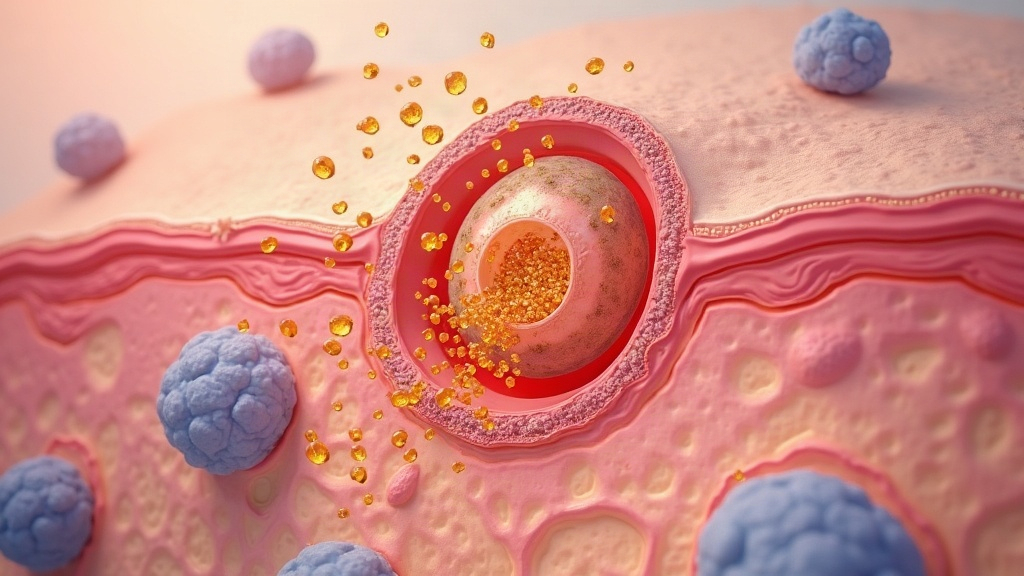
A wheal in CSU is the visible end of a deeper process. Mast cells in the dermis release histamine, tryptase, prostaglandin D2, leukotrienes, and a cascade of cytokines within seconds of activation. The vessel wall leaks. Local nerve endings fire. The itch starts before the wheal is fully formed. In autoimmune CSU, the trigger for that release is not pollen or peanut. It is an antibody your own body made against a receptor on your own mast cell.
Type I Autoallergic vs. Type IIb Autoimmune CSU
Not all autoimmune CSU is the same. Two endotypes matter for treatment planning.
Type I autoallergic CSU is driven by IgE antibodies against self-antigens, most often thyroperoxidase (TPO) or the cytokine IL-24. These patients tend to respond quickly and well to omalizumab.
Type IIb autoimmune CSU is driven by IgG antibodies against FcεRI or IgE. Disease severity is higher, omalizumab response is slower and more incomplete, and cyclosporine is often the better third-line choice.
The PURIST study tightened the criteria for Type IIb. Fewer than 10 percent of CSU patients meet the full strict definition. But broader autoantibody positivity, including anti-FcεRI on ELISA or a positive ASST, shows up in 30 to 50 percent.
How We Know CSU Is Autoimmune
The case for classifying chronic urticaria as an autoimmune disease is built from five converging lines of evidence.
Autoantibody detection. Direct ELISA studies find IgG against FcεRIα in 24 to 50 percent of CSU patients, depending on assay cutoffs (Cho 2022, PMC9390921).
Autologous serum skin test. Injecting a patient's own serum back into their skin raises a wheal in roughly 30 to 50 percent of CSU sufferers. Saline controls do not. Something in the serum is activating dermal mast cells.
Comorbidity with other autoimmune diseases. Hashimoto's thyroiditis, lupus, Sjögren's, celiac, vitiligo, type 1 diabetes, and rheumatoid arthritis all appear at elevated rates in CSU cohorts.
Response to immunomodulators. Cyclosporine, omalizumab, and rituximab produce meaningful improvement. Pure allergy disease would not respond to B-cell depletion.
Basophil transfer experiments. Serum from CSU patients activates basophils from healthy donors in vitro, proof that a transferable factor in blood is driving mast cell signaling.
The Autoimmune Comorbidity Map
If you already have one autoimmune disease and develop chronic hives, the odds that your hives are the autoimmune subtype rise sharply.
Hashimoto's thyroiditis is the most documented comorbidity. A 2017 systematic review by Kolkhir and colleagues (PMID 28407273) found anti-TPO or anti-thyroglobulin antibodies in 12 to 37 percent of CSU patients, depending on the cohort. That is three to five times the general population rate. In some series, treating subclinical Hashimoto's with levothyroxine, or using selenium to lower TPO titers, correlates with hive improvement over months.
Lupus (SLE), Sjögren's, celiac, vitiligo, rheumatoid arthritis, and type 1 diabetes all appear elevated in large CSU registries. The shared feature is loss of B-cell tolerance and the production of autoantibodies against self-antigens.
This matters clinically. A patient with known Hashimoto's plus refractory hives has a higher pre-test probability of Type IIb CSU. Testing the thyroid antibody panel is almost free diagnostic information. A patient with known celiac plus CSU should tighten gluten avoidance before escalating drug therapy; cross-reactive gluten-derived peptides can activate mast cells through non-IgE pathways in some individuals.
If you want the deeper thyroid workup, see our guide to optimal thyroid antibody ranges and our Hashimoto's natural treatment guide. If your picture also includes dry eyes, dry mouth, or photosensitivity, review our pages on natural remedies for lupus and Sjögren's natural treatment.
Differential Diagnosis: Is It Really CSU?
Chronic hives are not a single disease. Several look-alikes get misdiagnosed as CSU, and two of them are serious.
Urticaria & Look-Alikes — Differential Diagnosis
| Type | Hallmark | Duration of wheals | Trigger | Diagnostic test | First-line treatment |
|---|---|---|---|---|---|
Type 1 Chronic spontaneous urticaria (CSU) | Daily/almost-daily wheals + itch with no identifiable external trigger; often worse evenings | Each individual wheal lasts 1–24 h; condition itself >6 weeks | None identifiable (autoimmune in 30–50%) | CBC, ESR/CRP, TSH + anti-TPO, total IgE; ASST or CU-Index for autoimmune subtype | 2nd-gen H1 antihistamine (up to 4× standard) → omalizumab 300 mg → cyclosporine |
Type 2 Chronic inducible urticaria (cold / heat / pressure / cholinergic) | Wheals only after a specific physical stimulus; cholinergic = tiny 1–4 mm pinpoint wheals | 15 min – 24 h depending on subtype (cholinergic 30–60 min; pressure 4–24 h delayed) | Cold air/water, heat, sustained pressure, exercise/sweat | Provocation tests (ice cube test, FricTest, exercise challenge, hot bath) | Trigger avoidance + 2nd-gen H1 antihistamine; omalizumab off-label for refractory |
Type 3 Acute urticaria | New-onset hives lasting <6 weeks, often after infection, food, or drug | Each wheal <24 h; condition resolves within 6 weeks | Viral/bacterial infection, food allergy, drug reaction, insect sting | History; targeted IgE testing only if specific trigger suspected | 2nd-gen H1 antihistamine; short prednisone burst if severe |
Type 4 Hereditary angioedema (HAE) | Recurrent deep swelling without wheals; often face, larynx, GI tract; family history | Swelling lasts 2–5 days; no itchy hives | Trauma, dental work, stress, estrogen, ACE inhibitors | C4 (low), C1-INH level + function, C1q (normal); SERPING1 gene if available | C1-INH concentrate, icatibant, ecallantide for attacks; lanadelumab/berotralstat prophylaxis |
Type 5 Idiopathic angioedema (without wheals) | Recurrent swelling episodes with no urticaria, normal complement workup | Hours to a few days per episode | Often unidentifiable; sometimes NSAIDs or ACE inhibitors | Normal C4, C1-INH, C1q (rules out HAE/AAE); ACE-inhibitor washout trial | 2nd-gen H1 antihistamine; tranexamic acid; omalizumab if antihistamine-refractory |
Type 6 Mastocytosis | Persistent reddish-brown macules/papules (urticaria pigmentosa); positive Darier’s sign | Skin lesions persist for months–years; flares last hours | Heat, alcohol, NSAIDs, opioids, contrast, insect stings, friction | Serum tryptase >20 ng/mL; bone-marrow biopsy with KIT D816V mutation analysis | H1 + H2 antihistamines, mast cell stabilizers (cromolyn), avoid triggers; midostaurin/avapritinib in advanced disease |
Type 7 Urticarial vasculitis | Painful/burning rather than itchy wheals; leave bruising or hyperpigmentation | Each individual lesion lasts >24 h (often 48–72 h) | Often immune-complex; associated with SLE, Sjögren’s, hepatitis, drugs | Skin punch biopsy (leukocytoclastic vasculitis); ANA, complement (C3/C4 low in hypocomplementemic form) | Treat underlying cause; NSAIDs, dapsone, hydroxychloroquine, colchicine, systemic steroids |
Type 8 Mast cell activation syndrome (MCAS) | Multi-system episodes (flushing, GI, cardiovascular, neuro) with or without hives | Episodic, minutes–hours; chronic background symptoms common | Multiple — foods, scents, stress, heat, exercise, hormonal | Documented elevation of mediators (tryptase, n-methylhistamine, prostaglandin D2) during episode + symptom + treatment criteria | H1 + H2 antihistamines, cromolyn, montelukast, quercetin; trigger avoidance; LDN/omalizumab for refractory |
Type 9 Anaphylaxis-related urticaria | Acute hives + ≥1 of: airway compromise, hypotension, persistent GI symptoms | Wheals minutes–hours; systemic reaction is the emergency | Food, drug, venom, latex, exercise (often within 30–120 min) | Acute serum tryptase (within 1–4 h); follow-up specific IgE / skin testing to identify allergen | IM epinephrine first, oxygen, IV fluids, H1 + H2 antihistamines, steroids; epinephrine auto-injector + allergist follow-up |
- Hallmark:
- Daily/almost-daily wheals + itch with no identifiable external trigger; often worse evenings
- Duration:
- Each individual wheal lasts 1–24 h; condition itself >6 weeks
- Trigger:
- None identifiable (autoimmune in 30–50%)
- Diagnostic test:
- CBC, ESR/CRP, TSH + anti-TPO, total IgE; ASST or CU-Index for autoimmune subtype
- First-line treatment:
- 2nd-gen H1 antihistamine (up to 4× standard) → omalizumab 300 mg → cyclosporine
- Hallmark:
- Wheals only after a specific physical stimulus; cholinergic = tiny 1–4 mm pinpoint wheals
- Duration:
- 15 min – 24 h depending on subtype (cholinergic 30–60 min; pressure 4–24 h delayed)
- Trigger:
- Cold air/water, heat, sustained pressure, exercise/sweat
- Diagnostic test:
- Provocation tests (ice cube test, FricTest, exercise challenge, hot bath)
- First-line treatment:
- Trigger avoidance + 2nd-gen H1 antihistamine; omalizumab off-label for refractory
- Hallmark:
- New-onset hives lasting <6 weeks, often after infection, food, or drug
- Duration:
- Each wheal <24 h; condition resolves within 6 weeks
- Trigger:
- Viral/bacterial infection, food allergy, drug reaction, insect sting
- Diagnostic test:
- History; targeted IgE testing only if specific trigger suspected
- First-line treatment:
- 2nd-gen H1 antihistamine; short prednisone burst if severe
- Hallmark:
- Recurrent deep swelling without wheals; often face, larynx, GI tract; family history
- Duration:
- Swelling lasts 2–5 days; no itchy hives
- Trigger:
- Trauma, dental work, stress, estrogen, ACE inhibitors
- Diagnostic test:
- C4 (low), C1-INH level + function, C1q (normal); SERPING1 gene if available
- First-line treatment:
- C1-INH concentrate, icatibant, ecallantide for attacks; lanadelumab/berotralstat prophylaxis
- Hallmark:
- Recurrent swelling episodes with no urticaria, normal complement workup
- Duration:
- Hours to a few days per episode
- Trigger:
- Often unidentifiable; sometimes NSAIDs or ACE inhibitors
- Diagnostic test:
- Normal C4, C1-INH, C1q (rules out HAE/AAE); ACE-inhibitor washout trial
- First-line treatment:
- 2nd-gen H1 antihistamine; tranexamic acid; omalizumab if antihistamine-refractory
- Hallmark:
- Persistent reddish-brown macules/papules (urticaria pigmentosa); positive Darier’s sign
- Duration:
- Skin lesions persist for months–years; flares last hours
- Trigger:
- Heat, alcohol, NSAIDs, opioids, contrast, insect stings, friction
- Diagnostic test:
- Serum tryptase >20 ng/mL; bone-marrow biopsy with KIT D816V mutation analysis
- First-line treatment:
- H1 + H2 antihistamines, mast cell stabilizers (cromolyn), avoid triggers; midostaurin/avapritinib in advanced disease
- Hallmark:
- Painful/burning rather than itchy wheals; leave bruising or hyperpigmentation
- Duration:
- Each individual lesion lasts >24 h (often 48–72 h)
- Trigger:
- Often immune-complex; associated with SLE, Sjögren’s, hepatitis, drugs
- Diagnostic test:
- Skin punch biopsy (leukocytoclastic vasculitis); ANA, complement (C3/C4 low in hypocomplementemic form)
- First-line treatment:
- Treat underlying cause; NSAIDs, dapsone, hydroxychloroquine, colchicine, systemic steroids
- Hallmark:
- Multi-system episodes (flushing, GI, cardiovascular, neuro) with or without hives
- Duration:
- Episodic, minutes–hours; chronic background symptoms common
- Trigger:
- Multiple — foods, scents, stress, heat, exercise, hormonal
- Diagnostic test:
- Documented elevation of mediators (tryptase, n-methylhistamine, prostaglandin D2) during episode + symptom + treatment criteria
- First-line treatment:
- H1 + H2 antihistamines, cromolyn, montelukast, quercetin; trigger avoidance; LDN/omalizumab for refractory
- Hallmark:
- Acute hives + ≥1 of: airway compromise, hypotension, persistent GI symptoms
- Duration:
- Wheals minutes–hours; systemic reaction is the emergency
- Trigger:
- Food, drug, venom, latex, exercise (often within 30–120 min)
- Diagnostic test:
- Acute serum tryptase (within 1–4 h); follow-up specific IgE / skin testing to identify allergen
- First-line treatment:
- IM epinephrine first, oxygen, IV fluids, H1 + H2 antihistamines, steroids; epinephrine auto-injector + allergist follow-up
CSU (autoimmune) produces scattered wheals lasting 1 to 24 hours, often worse in the evening. No trigger is apparent. Recurrence is near-daily for longer than six weeks.
Cholinergic urticaria hits after a rise in core body temperature, such as exercise, hot showers, or stress sweat. Wheals are tiny, pinpoint, and clear within 30 to 60 minutes.
Pressure urticaria appears 4 to 6 hours after sustained pressure, such as backpack straps or sitting on a hard chair. It lasts most of a day.
Symptomatic dermographism produces linear wheals along any line of skin friction. A fingernail drawn across the forearm raises a welt in under a minute.
Cold urticaria responds to cold air, cold water, or ice. The ice cube test (5 minutes on the forearm) is the bedside diagnostic.
Solar urticaria appears only on skin exposed to UV light.
Angioedema without wheals is deep swelling of lips, tongue, eyelids, or genitals. Isolated angioedema must be worked up for C1-esterase inhibitor deficiency (hereditary angioedema), which is a life-threatening mimic.
Mastocytosis is mast cell overgrowth. Clues are darker skin patches that wheal when scratched (Darier's sign) and serum tryptase above 20 ng/mL.
Urticarial vasculitis produces wheals that last more than 24 hours, hurt more than they itch, and leave bruising. Biopsy is required.
Two red flags demand escalation. Wheals lasting more than 24 hours or leaving bruises warrant a skin biopsy for vasculitis. Isolated angioedema of lip, tongue, or airway demands urgent evaluation for hereditary angioedema.
Testing: How to Know If Your CSU Is Autoimmune
Testing does not change first-line treatment. It changes the odds of needing cyclosporine later, it forces the thyroid workup most patients skip, and it gives you and your allergist shared language when the hives refuse to quit after three months of escalating antihistamines.
Basic workup, for nearly everyone. CBC, ESR or CRP, TSH, anti-TPO, anti-thyroglobulin, total IgE, liver function tests, and serum 25(OH)D. Celiac serology (tTG-IgA with total IgA) is worth adding if there is any GI overlap.
Autoimmune subtype workup, when hives are refractory or Type IIb is suspected:
- ASST (autologous serum skin test). Your blood is drawn, spun to separate serum, and 50 μL injected back into your forearm alongside a saline control. A wheal at least 1.5 mm larger than the saline control at 30 minutes is positive. Sensitivity runs 30 to 50 percent.
- CU-Index (Viracor / Mayo Clinic Labs FCUIX). In vitro basophil histamine release assay. A score above 10 indicates autoimmune mechanism. Insurance coverage is inconsistent; verify before ordering.
- Basophil histamine release assay (BHRA) or basophil activation test (BAT). Flow-cytometry-based, mostly research-lab.
- Anti-FcεRIα ELISA. Direct measurement of the autoantibody, usually only in academic centers.
One underused data point: total IgE. Low total IgE (below about 40 kU/L) predicts Type IIb and slower omalizumab response. High total IgE (above 100) predicts Type I and faster, more complete response. This single number often tells you more about likely treatment trajectory than the specialty assays.
How to Talk to Your Allergist About Testing
ASST is in-office and inexpensive, but many clinics have stopped offering it. The CU-Index is a send-out lab; your allergist can order it through Viracor or Mayo. If you already have Hashimoto's and refractory hives, mentioning Type IIb by name often opens the conversation about cyclosporine or extended omalizumab trials earlier rather than later.
Conventional Treatment: What Works, and How Well
International guidelines (EAACI, WAO, AAAAI) endorse a four-step stepladder. Each step is tried for at least 2 to 4 weeks before moving on.
Step 1: Second-generation H1-antihistamine, standard dose. Cetirizine 10 mg, levocetirizine 5 mg, fexofenadine 180 mg, desloratadine 5 mg, loratadine 10 mg, or bilastine 20 mg once daily. First-generation agents (diphenhydramine, hydroxyzine) are avoided because of sedation and anticholinergic load.
Step 2: Up-dose to 2x, then 4x standard. Off-label by FDA labeling, but explicitly guideline-endorsed by EAACI, WAO, and AAAAI. Cetirizine 40 mg/day or fexofenadine 720 mg/day is common at full up-dose. Response typically builds over 2 to 4 weeks. Some patients also benefit from splitting the daily dose (morning and evening) rather than taking it all at once, which flattens the trough-to-peak variation that correlates with breakthrough hives. Adding an H2 blocker (famotidine 20 to 40 mg BID) helps a subset, though evidence is modest.
Step 3: Omalizumab (Xolair) 300 mg subcutaneously every 4 weeks. Omalizumab is a monoclonal antibody that binds free IgE, lowering circulating IgE levels and, over weeks, reducing FcεRI density on mast cells and basophils. It works in both Type I and Type IIb CSU, though slower and less completely in Type IIb.
Step 4: Cyclosporine 3 to 5 mg/kg/day. A 2018 meta-analysis by Kulthanan and colleagues (PMID 28916431) found 54 percent response at 4 weeks and 73 percent at 12 weeks. Blood pressure and renal monitoring are required every 2 to 4 weeks for the first 3 months. Best suited to Type IIb patients (low IgE, anti-TPO positive) who underperform on omalizumab. Most patients run a 3 to 6 month course and then taper.
Rarely effective or mixed evidence: prednisone bursts (acute flares only, weeks-scale use causes more problems than it solves), H2 blockers, leukotriene antagonists, dapsone, hydroxychloroquine, methotrexate, sulfasalazine.
Emerging 2025-2026. Remibrutinib and rilzabrutinib (oral BTK inhibitors) have completed phase 3 programs in CSU with efficacy competitive with omalizumab and the convenience of an oral route. Barzolvolimab, an anti-KIT monoclonal, directly depletes skin mast cells and has reported phase 2 responder rates approaching 70 percent. Dupilumab (anti-IL-4Rα) has phase 3 data specifically in antihistamine-refractory CSU. Expect regulatory filings and approvals across 2026-2027. None of these are first-line yet; they will enter the stepladder as alternatives to omalizumab or cyclosporine in patients with specific phenotypes.
Honest Numbers on Omalizumab
Patient-facing articles routinely sell omalizumab as a miracle. The pivotal trials tell a more measured story.
The ASTERIA I, ASTERIA II, and GLACIAL trials (Maurer 2013, Saini 2015, Kaplan 2013) pooled to roughly the following 24-week picture at the 300 mg dose:
- 33 to 40 percent complete responders. No wheals, no itch.
- 52 to 66 percent well-controlled. Weekly Urticaria Activity Score (UAS7) below 6.
- 20 to 25 percent essentially non-responders.
Onset is days to a few weeks. Guidelines recommend continuing for at least 6 months before calling treatment failure, because late responders exist. US list price runs roughly $2,500 to $4,500 per month; insurance usually covers it after a documented 4x antihistamine trial.
The Natural and Complementary Protocol (Evidence-Graded)
Every supplement below is graded A, B, or C based on the human evidence in chronic urticaria specifically.
Chronic Spontaneous Urticaria — Evidence-Graded Supplement Stack
| Supplement | Grade | Mechanism | Key Evidence | Dose | Notes |
|---|---|---|---|---|---|
| Vitamin D | Grade B | Immunomodulator; downregulates mast cell activation, supports Treg function, corrects deficiency common in CSU | Dabas 2020 (PMID 32828116) — double-blind RCT, 80 CSU patients: 28,000 IU/wk significantly reduced urticaria severity vs 4,200 IU/wk over 12 wk. Kolkhir 2017 (PMID 28407273) systematic review confirms deficiency–severity link. | 4,000–5,000 IU/day; target 25(OH)D 40–60 ng/mL | Test 25(OH)D first; benefit largest in deficient patients. Pair with K2 (MK-7 90–180 mcg) and adequate magnesium. |
| Quercetin | Grade B | Mast-cell stabilizer; inhibits FcεRI signaling and downregulates the receptor on mast cells; reduces histamine, TNF-α and IL-6 release | Weng 2012 (PMC3314669) — quercetin more effective than cromolyn at blocking human mast cell cytokine release in vitro. Shishido 2022 downregulates FcεRI expression. 2025 in vivo CSU study (PMID 40309955) shows symptom reduction via CD300f. | 250–500 mg BID, ideally as quercetin phytosome; take 30–40 min before meals | Plain quercetin ~10% bioavailable — phytosome or EMIQ forms much better absorbed. 4–8 wk trial. |
| DAO enzyme | Grade C+ | Replaces the diamine oxidase enzyme that breaks down dietary histamine in the gut — bridges low endogenous DAO activity | Yacoub 2018 (PMID 29698966) — randomized double-blind placebo-controlled trial in CSU patients with low serum DAO: 3.8-point mean drop in urticaria severity on DAO; symptoms returned off supplement. | 10,000–30,000 HDU (~4.2 mg) with each meal | Best for patients with documented low serum DAO or clear histamine-food reactivity. Brands: DAOsin, Histamine Block, NaturDAO. 2–4 wk trial. |
| Probiotics | Grade C | Modulate gut microbiome → Treg/Th17 balance; some strains directly degrade histamine or reduce intestinal permeability | Nettis 2021 (PMID 33939347) — adjuvant probiotic improved CSU severity vs placebo. Fu 2023 meta-analysis (11 trials, 1,014 patients) shows modest but consistent benefit. | 10–50 billion CFU/day, multi-strain (Lactobacillus rhamnosus, L. casei, L. salivarius + Bifidobacterium) | Avoid histamine-producing strains (some L. casei, L. bulgaricus) if histamine-sensitive. 8–12 wk trial. |
| Vitamin C | Grade C | Cofactor for DAO and histamine N-methyltransferase; antioxidant that reduces histamine release from mast cells | Mechanistic studies and small open-label series only — no CSU-specific RCT. Modest histamine-lowering effect in healthy volunteers. | 500–1,000 mg 2–3× daily (split-dose to limit GI tolerance) | Liposomal or buffered forms reduce GI upset at higher doses. Synergistic with quercetin. |
| Omega-3 | Grade C | EPA/DHA reduce arachidonic-acid–derived pro-inflammatory mediators; mast cell stabilization signals | Cho 2022 (PMC9390921) and broader autoimmune literature support anti-inflammatory effect; no head-to-head CSU RCT. | 2–3 g combined EPA+DHA daily, with food | Choose third-party tested for oxidation/heavy metals. Allow 6–12 wk for membrane incorporation. |
| Low-histamine diet | Grade B | Reduces dietary histamine load and histamine liberators while DAO activity recovers; identifies food-trigger subset | Multiple controlled trials (Wagner 2017, Son 2018) and CSU-specific cohorts show ~25–30% of patients experience meaningful symptom reduction on a structured 4-week trial. | 4–6 week strict elimination → systematic reintroduction (one food per 3 days) | Run as a time-limited diagnostic, NOT a lifelong restriction. About 20–30% of CSU patients respond clearly. See <LowHistamineDietGuide />. |
| NAC (N-Acetylcysteine) | Grade C | Glutathione precursor; antioxidant that may reduce mast cell oxidative activation; mucolytic in coexisting respiratory triggers | Small case series and mechanistic data only; no CSU RCT. Reasonable adjunct in oxidative-stress phenotypes. | 600–1,200 mg/day, divided | Generally safe; can lower homocysteine. Avoid combining with nitroglycerin. Bridges to broader autoimmune Tier 2 use. |
| Magnesium | Grade C | Cofactor for histamine breakdown enzymes; supports nervous-system regulation and sleep, both relevant to CSU flare patterns | No CSU-specific RCT; deficiency is highly prevalent and corrects symptoms (sleep, anxiety, restless legs) that worsen disease perception. | 300–400 mg/day elemental (glycinate or malate preferred) | Avoid magnesium oxide (poor absorption). Citrate is fine but laxative at higher doses. |
- Mechanism:
- Immunomodulator; downregulates mast cell activation, supports Treg function, corrects deficiency common in CSU
- Evidence:
- Dabas 2020 (PMID 32828116) — double-blind RCT, 80 CSU patients: 28,000 IU/wk significantly reduced urticaria severity vs 4,200 IU/wk over 12 wk. Kolkhir 2017 (PMID 28407273) systematic review confirms deficiency–severity link.
- Dose:
- 4,000–5,000 IU/day; target 25(OH)D 40–60 ng/mL
- Notes:
- Test 25(OH)D first; benefit largest in deficient patients. Pair with K2 (MK-7 90–180 mcg) and adequate magnesium.
- Mechanism:
- Mast-cell stabilizer; inhibits FcεRI signaling and downregulates the receptor on mast cells; reduces histamine, TNF-α and IL-6 release
- Evidence:
- Weng 2012 (PMC3314669) — quercetin more effective than cromolyn at blocking human mast cell cytokine release in vitro. Shishido 2022 downregulates FcεRI expression. 2025 in vivo CSU study (PMID 40309955) shows symptom reduction via CD300f.
- Dose:
- 250–500 mg BID, ideally as quercetin phytosome; take 30–40 min before meals
- Notes:
- Plain quercetin ~10% bioavailable — phytosome or EMIQ forms much better absorbed. 4–8 wk trial.
- Mechanism:
- Replaces the diamine oxidase enzyme that breaks down dietary histamine in the gut — bridges low endogenous DAO activity
- Evidence:
- Yacoub 2018 (PMID 29698966) — randomized double-blind placebo-controlled trial in CSU patients with low serum DAO: 3.8-point mean drop in urticaria severity on DAO; symptoms returned off supplement.
- Dose:
- 10,000–30,000 HDU (~4.2 mg) with each meal
- Notes:
- Best for patients with documented low serum DAO or clear histamine-food reactivity. Brands: DAOsin, Histamine Block, NaturDAO. 2–4 wk trial.
- Mechanism:
- Modulate gut microbiome → Treg/Th17 balance; some strains directly degrade histamine or reduce intestinal permeability
- Evidence:
- Nettis 2021 (PMID 33939347) — adjuvant probiotic improved CSU severity vs placebo. Fu 2023 meta-analysis (11 trials, 1,014 patients) shows modest but consistent benefit.
- Dose:
- 10–50 billion CFU/day, multi-strain (Lactobacillus rhamnosus, L. casei, L. salivarius + Bifidobacterium)
- Notes:
- Avoid histamine-producing strains (some L. casei, L. bulgaricus) if histamine-sensitive. 8–12 wk trial.
- Mechanism:
- Cofactor for DAO and histamine N-methyltransferase; antioxidant that reduces histamine release from mast cells
- Evidence:
- Mechanistic studies and small open-label series only — no CSU-specific RCT. Modest histamine-lowering effect in healthy volunteers.
- Dose:
- 500–1,000 mg 2–3× daily (split-dose to limit GI tolerance)
- Notes:
- Liposomal or buffered forms reduce GI upset at higher doses. Synergistic with quercetin.
- Mechanism:
- EPA/DHA reduce arachidonic-acid–derived pro-inflammatory mediators; mast cell stabilization signals
- Evidence:
- Cho 2022 (PMC9390921) and broader autoimmune literature support anti-inflammatory effect; no head-to-head CSU RCT.
- Dose:
- 2–3 g combined EPA+DHA daily, with food
- Notes:
- Choose third-party tested for oxidation/heavy metals. Allow 6–12 wk for membrane incorporation.
- Mechanism:
- Reduces dietary histamine load and histamine liberators while DAO activity recovers; identifies food-trigger subset
- Evidence:
- Multiple controlled trials (Wagner 2017, Son 2018) and CSU-specific cohorts show ~25–30% of patients experience meaningful symptom reduction on a structured 4-week trial.
- Dose:
- 4–6 week strict elimination → systematic reintroduction (one food per 3 days)
- Notes:
- Run as a time-limited diagnostic, NOT a lifelong restriction. About 20–30% of CSU patients respond clearly. See <LowHistamineDietGuide />.
- Mechanism:
- Glutathione precursor; antioxidant that may reduce mast cell oxidative activation; mucolytic in coexisting respiratory triggers
- Evidence:
- Small case series and mechanistic data only; no CSU RCT. Reasonable adjunct in oxidative-stress phenotypes.
- Dose:
- 600–1,200 mg/day, divided
- Notes:
- Generally safe; can lower homocysteine. Avoid combining with nitroglycerin. Bridges to broader autoimmune Tier 2 use.
- Mechanism:
- Cofactor for histamine breakdown enzymes; supports nervous-system regulation and sleep, both relevant to CSU flare patterns
- Evidence:
- No CSU-specific RCT; deficiency is highly prevalent and corrects symptoms (sleep, anxiety, restless legs) that worsen disease perception.
- Dose:
- 300–400 mg/day elemental (glycinate or malate preferred)
- Notes:
- Avoid magnesium oxide (poor absorption). Citrate is fine but laxative at higher doses.
Vitamin D (Grade B)
Vitamin D is the single best-evidenced supplement for chronic urticaria. Most CSU patients are deficient, and correction improves symptoms.
The evidence. Dabas and colleagues published a double-blind randomized trial of 80 CSU patients in 2020 (PMID 32828116). The high-dose arm received 28,000 IU per week (roughly 4,000 IU/day equivalent); the low-dose arm received 4,200 IU per week (roughly 600 IU/day). After 12 weeks, the high-dose group showed significantly greater reduction in urticaria severity score and quality-of-life scores. Earlier work by Rorie and colleagues in 2014 found similar benefit with vitamin D3 add-on. A 2025 systematic review in Eur J Med Res (PMC12312541) confirmed the direction of effect, strongest in deficient patients.
Dose. 4,000 to 5,000 IU daily if deficient. Pair with 100 to 200 mcg K2 (MK-7). Target serum 25(OH)D of 40 to 60 ng/mL. Retest at 12 weeks.
Timeline. 6 to 12 weeks for measurable effect. Discuss with your doctor, particularly if you take calcium supplements or have a history of kidney stones.
Quercetin (Grade B)
Quercetin is a plant flavonoid with direct mast cell stabilizing action.
Mechanism. Quercetin inhibits FcεRI signaling (Kempuraj 2005) and downregulates FcεRI expression on mast cells (Shishido 2022, PMC9573482). A 2025 in vivo study (Li, PMID 40309955) showed quercetin alleviated chronic urticaria by negatively regulating IgE-mediated mast cell activation through the CD300f inhibitory receptor. In vitro, Weng and colleagues (2012, PMC3314669) found quercetin was more effective than cromolyn at blocking human mast cell cytokine release.
Dose. 250 to 500 mg twice daily. Plain quercetin is roughly 10 percent bioavailable; quercetin phytosome or quercetin dihydrate with bromelain significantly improves absorption. Take 30 to 40 minutes before meals if food triggers are suspected.
Timeline. 4 to 8 weeks.
Safety. Quercetin inhibits cytochrome P450 enzymes and can raise levels of some prescribed drugs, including cyclosporine. Discuss with your doctor before adding it to any immunosuppressant regimen.
DAO (Diamine Oxidase) Enzyme (Grade C)
DAO is the enzyme that breaks down ingested histamine in the small intestine. A subset of CSU patients have low serum DAO, and exogenous enzyme replacement helps them.
The evidence. Yacoub and colleagues published a randomized double-blind placebo-controlled crossover trial in 2018 (PMID 29698966) in CSU patients with documented low serum DAO. Patients showed a 3.8-point mean reduction in urticaria severity score while on DAO and relapsed when switched to placebo.
Dose. 10,000 to 30,000 HDU (roughly 4.2 mg DAO protein) taken 15 minutes before meals containing high-histamine foods. Brands with clinical trial use include DAOsin and NaturDAO.
Timeline. 2 to 4 weeks for meal-related symptom relief. If no benefit after 4 weeks, stop. DAO works for a subset, not for everyone.
Probiotics (Grade C)
The evidence here is modest but consistent.
Nettis and colleagues (2021, PMID 33939347) tested a multi-strain probiotic as an adjuvant to standard care in CSU and reported improved severity scores versus placebo. A 2023 meta-analysis in the Journal of Cosmetic Dermatology pooled 11 trials and 1,014 patients and found a small but consistent effect. Strains with any trial support include Lactobacillus rhamnosus, L. casei, L. salivarius, and multi-strain Bifidobacterium plus Lactobacillus blends.
Dose. 10 to 50 billion CFU per day, multi-strain, for 8 to 12 weeks.
L-Glutamine and Gut Barrier Support (Grade C)
Patients with CSU plus IBS-like symptoms often benefit from gut barrier work. Intestinal permeability allows food-derived antigens and bacterial lipopolysaccharide into circulation, where they drive low-grade immune activation and mast cell priming. L-glutamine is the most-studied amino acid for intestinal permeability, with human trials in IBD and post-surgical populations showing reduced lactulose-mannitol ratios.
For CSU specifically there are no randomized trials, but the mechanistic case is strong enough to include for patients with gut symptoms. For dosing and timing, see our L-glutamine protocol for leaky gut.
Other Supplements with Thin Evidence
Vitamin C (1 to 2 g/day) is a mast cell cofactor with mechanistic rationale but no CSU RCTs. Magnesium glycinate is a reasonable general autoimmune-tier addition. Omega-3 EPA/DHA is broadly anti-inflammatory but has no CSU-specific trial. Curcumin is mechanistically attractive (NF-κB inhibition, mast cell stabilization in vitro) but has no human CSU trial. None of these belong at the top of the list; they are tier-2 additions for patients already running vitamin D, quercetin, and DAO.
For the broader cross-condition hierarchy, see our evidence-graded autoimmune supplements guide.
The Low-Histamine Diet: A Time-Limited Diagnostic Trial
The low-histamine diet is the most oversold and most misunderstood intervention in this space. It is not a lifelong restriction. Run it as a 4 to 6 week diagnostic.
Low-Histamine Diet — 4–6 Week Diagnostic Trial
Generally OK
- 🥩Fresh-cooked meats (eaten same day)
- 🐟Fresh fish — frozen-at-sea then thawed for cooking
- 🍚Fresh-cooked rice & pasta (not reheated next day)
- 🥦Most cooked vegetables (NOT eggplant, tomato, spinach, avocado)
- 🥖Fresh-baked bread (sourdough is borderline — test individually)
- 🥛Dairy alternatives: rice milk, oat milk, fresh coconut milk
- 🍎Apples & pears
- 🫐Blueberries
- 🥭Mango
- 🍇Pomegranate
- 💧Plain water
- 🌿Herbal teas — rooibos, chamomile, ginger (NOT black or green)
High-histamine — Avoid 4–6 Weeks
- 🧀Aged & ripened cheeses (parmesan, cheddar, brie, blue)
- 🥓Cured & processed meats (salami, prosciutto, bacon, sausage, hot dogs)
- 🥬Fermented foods — sauerkraut, kimchi, kombucha, yogurt, kefir, miso
- 🍷Wine, beer, champagne (DAO blockers + histamine-rich)
- 🧴Vinegars & vinegar-pickled foods
- 🍱Leftovers refrigerated >24 h (histamine builds up)
- 🥫Canned fish (tuna, sardines, anchovies, mackerel)
- 🐟Smoked fish (salmon, mackerel, herring)
- 🍤Leftover or not-fresh seafood
- 🍆Eggplant
- 🍅Tomato (and tomato sauce, ketchup, paste)
- 🥬Spinach
- 🥑Avocado
- 🍓Strawberries (histamine liberator)
- 🍊Citrus — oranges, grapefruit, lemons, limes (liberators)
- 🍫Chocolate & cocoa
- 🥜Nuts (especially walnuts, cashews, peanuts)
- 🫙Soy sauce, tamari, fish sauce
- 🥨Processed meats & deli meats
High-histamine foods to remove: aged cheese, cured meats (salami, prosciutto), fermented foods (sauerkraut, kombucha, kimchi, aged yogurt), vinegar and vinegar-containing condiments, alcohol (red wine, beer, champagne are worst), leftovers older than 24 hours, tuna, mackerel, sardines, anchovies, tomatoes, spinach, eggplant, and avocado.
Histamine liberators (do not contain histamine but trigger mast cell release): citrus, strawberries, shellfish, chocolate, pineapple, and certain food additives.
DAO blockers (impair the enzyme that clears dietary histamine): alcohol, black tea, green tea, mate, and some energy drinks.
How to run it.
- Weeks 1-4: strict elimination. Fresh-cooked meats, fresh eggs, white rice, most non-nightshade vegetables, pears, apples, blueberries, olive oil.
- Weeks 5-6: structured reintroduction. One food every 3 days. Note symptom change in a diary. A reliable flare within 24 hours means that food is a trigger for you specifically.
Realistic expectation. Roughly 20 to 30 percent of CSU patients report meaningful benefit. The rest get nothing. If six weeks pass with no change, the histamine-food pathway is not your driver. Reintroduce everything and move on. For the broader dietary framework, see our autoimmune diet comparison.
Triggers to Identify and Remove
Certain triggers aggravate CSU in a large subset of patients. Systematically eliminating them often reduces background disease activity by a measurable margin.
NSAIDs (aspirin, ibuprofen, naproxen) worsen hives in roughly 20 to 30 percent of CSU patients through a pseudo-allergic mechanism that shunts arachidonic acid metabolism toward leukotrienes. Acetaminophen is usually tolerated.
Infections. Helicobacter pylori is associated with a subset of CSU and treating it has produced remission in case series. Stool antigen testing is simple and cheap. Chronic sinus infections, dental abscesses, and intestinal parasites (Blastocystis hominis, Giardia) have all been linked to refractory hives.
Stress. The HPA axis talks directly to mast cells. CRH and substance P both degranulate mast cells. Sustained cortisol dysregulation raises baseline mast cell reactivity.
Physical triggers. Heat, cold, pressure, and tight clothing can overlap with CSU in mixed phenotypes.
Alcohol is a DAO blocker and a vasodilator. Even modest amounts aggravate many CSU patients.
Poor sleep. Mast cells have a circadian rhythm. CSU hives often peak in the evening and overnight. Sleep disruption raises IL-6 and TNF-α, both of which worsen mast cell reactivity.
LDN (Low-Dose Naltrexone) for Refractory CSU
LDN is not first-line. It is a reasonable Tier 3 option for patients who have failed antihistamines plus omalizumab and want to avoid or delay cyclosporine.
The rationale is mechanistic. Transient opioid receptor blockade at 1.5 to 4.5 mg nightly upregulates endogenous endorphins, modulates microglial activation, and influences TLR4 signaling. Each of these pathways touches mast cell biology.
No randomized trial has tested LDN in CSU specifically. Small case series and anecdotal reports describe benefit in patients with a clearly autoimmune phenotype, particularly those with concurrent Hashimoto's or fibromyalgia.
For the full mechanism, dosing, and prescribing pathway, see our low-dose naltrexone for autoimmune disease guide. Discuss with a physician familiar with LDN; most are compounding-pharmacy-only prescriptions.
Root-Cause Workup for Stubborn CSU
If antihistamines and the first supplement stack do not move the needle in 8 weeks, work the problem harder. Roughly 30 percent of "idiopathic" CSU turns out to have a treatable infectious, nutritional, or autoimmune driver.
Thyroid panel. TSH, free T4, free T3, anti-TPO, anti-thyroglobulin. Treating subclinical Hashimoto's often improves hives.
H. pylori. Stool antigen or urea breath test. Treat if positive.
Celiac serology. tTG-IgA with total IgA. Do not start gluten-free before testing, or the serology will be falsely negative.
Vitamin D 25(OH)D. Target 40 to 60 ng/mL.
Ferritin and B12. Iron deficiency raises mast cell reactivity. Aim for ferritin above 50 ng/mL.
ANA and complement if lupus is on the differential. RF and anti-CCP if joint symptoms accompany hives.
Comprehensive stool analysis (GI-MAP or equivalent) if there is any GI overlap. Screens for Candida, parasites, dysbiosis patterns, secretory IgA, and gut inflammatory markers (calprotectin, zonulin). Not every finding is actionable, but patterns of low beneficial species and overgrowth of histamine-producing bacteria are worth knowing about.
Dental and sinus evaluation if symptoms persist and infection is suspected. Chronic apical abscesses and low-grade sinusitis have both been reported to resolve hives in case series when definitively treated.
The goal of this workup is not DIY diagnosis. It is arriving at your allergist or internist with a coherent request for a specific test, which is more productive than showing up with a symptom list. Many CSU patients bounce between primary care, dermatology, and allergy for years before a systematic workup is done.
A Sample 90-Day Protocol
CSU 12-Month Protocol — Staged Plan
Weeks 1–2 — Baseline
- •H1 antihistamine at standard dose (cetirizine 10 mg, fexofenadine 180 mg, or equivalent)
- •Identify and log triggers (UAS7 daily, food/stress/sleep diary)
- •Order baseline labs: CBC, ESR/CRP, TSH + anti-TPO, total IgE, 25(OH)D, ferritin
- •Begin trigger avoidance: NSAIDs, alcohol, tight clothing, overheating
Weeks 3–6 — Optimize
- •Up-dose H1 antihistamine to 4× standard (e.g. cetirizine 40 mg/day) — guideline-endorsed
- •Add H2 blocker (famotidine 20–40 mg BID) as adjunct
- •Start vitamin D 4,000–5,000 IU/day + quercetin phytosome 250–500 mg BID
- •Begin 4-week strict low-histamine diet trial; add DAO with meals if food-reactive
Weeks 7–12 — Escalate
- •If still flaring on max antihistamines: add LDN 1.5–4.5 mg nightly (off-label, mast cell modulation)
- •Add montelukast 10 mg nightly OR refer for omalizumab 300 mg SC every 4 wk
- •Reassess with autoantibody testing (ASST, CU-Index) — predicts cyclosporine response
- •Treat treatable comorbidities found on labs (H. pylori, low ferritin, low vit D, anti-TPO+)
Months 4–12 — Maintain & Taper
- •Structured reintroduction of low-histamine foods, one every 3 days, tracking UAS7
- •Taper supplements and prescriptions step-wise once 4+ weeks of disease quiescence (UAS7 ≤6)
- •Continue vitamin D + quercetin at maintenance doses; keep DAO on hand for known triggers
- •Remission criteria: 6 months symptom-free off antihistamines → consider sustained remission
Reassessment checkpoints
Days 1 to 14: baseline and stabilization.
- Order the basic and autoimmune labs above.
- Up-dose your second-generation H1-antihistamine to 2x standard dose (discuss with your prescriber).
- Start vitamin D3 4,000 to 5,000 IU daily if 25(OH)D is below 40 ng/mL.
- Start quercetin 500 mg twice daily.
Days 15 to 45: diet trial and supplement layering.
- Run the low-histamine diet strictly for 4 weeks.
- Add DAO enzyme with meals if food triggers are suspected.
- Start a multi-strain probiotic (10 to 50 billion CFU/day).
- If 2x antihistamine is insufficient by day 30, discuss up-dose to 4x.
Days 30 to 45: reassessment.
- Calculate UAS7 for a full week and compare to baseline.
- If UAS7 is unchanged and ASST or CU-Index is positive, discuss omalizumab with your allergist.
- Treat any positive findings from the root-cause workup (H. pylori, iron deficiency, thyroid antibodies).
Days 45 to 90: structured reintroduction and advanced options.
- Reintroduce foods one at a time, 3-day windows.
- If on omalizumab, allow 8 to 12 weeks at 300 mg before calling it a failure.
- Consider LDN referral if omalizumab is partial and cyclosporine is unwanted.
Ongoing. Maintain thyroid treatment, sleep hygiene, stress regulation, and the supplements that demonstrably helped. Drop the ones that did not.
When to See a Specialist
Four situations demand escalation.
- Angioedema of lip, tongue, or throat is urgent. Rule out hereditary angioedema (C1-INH deficiency) and carry an allergist-prescribed rescue plan.
- Wheals lasting longer than 24 hours or leaving bruising warrant a skin biopsy to rule out urticarial vasculitis.
- Systemic symptoms (fever, weight loss, joint pain, night sweats) warrant rheumatology workup for underlying connective tissue disease.
- Failed 4x antihistamine for more than 3 months is a clear indication for allergist referral for omalizumab.
Review our autoimmune disease symptoms guide if systemic features are emerging; CSU rarely travels alone.
Frequently Asked Questions
Is chronic urticaria an autoimmune disease?
In roughly 30 to 50 percent of cases, yes. IgG autoantibodies against the IgE receptor (FcεRI) or against IgE itself activate mast cells to release histamine without any external allergen. This subtype is called autoimmune CSU or, in its strict form, Type IIb CSU.
What percentage of chronic hives are autoimmune?
Studies vary by assay and cutoff. Broad autoantibody positivity (ASST or anti-FcεRIα ELISA) runs 30 to 50 percent. Strict Type IIb criteria, which require a positive ASST plus a positive basophil test plus a positive anti-FcεRIα ELISA, apply to fewer than 10 percent. Most patients with autoimmune features fall into the broader category.
What test shows if my hives are autoimmune?
The autologous serum skin test (ASST) is the most practical. Your serum is injected back into your skin; a wheal larger than the saline control indicates autoimmune mechanism. The CU-Index, a commercial basophil histamine release assay available through Viracor or Mayo Clinic Labs, is the send-out alternative and reports a numerical score. A score above 10 is positive.
Why do antihistamines stop working for chronic hives?
Standard antihistamine doses block histamine at H1 receptors, but in autoimmune CSU the mast cell is being chronically over-activated by autoantibodies. Mast cells release many other mediators beyond histamine, including tryptase, leukotrienes, prostaglandin D2, and cytokines. International guidelines allow up-dosing to 4x standard before moving to omalizumab.
Does a low-histamine diet actually work for chronic urticaria?
For some patients, yes. For most, modestly. Run it as a 4 to 6 week diagnostic trial rather than a permanent restriction. Roughly 20 to 30 percent of CSU patients report clear benefit, mostly those with measurable low serum DAO or obvious food-triggered flares. If six weeks pass with no change, the histamine-food pathway is not the driver.
Does vitamin D help chronic urticaria?
The Dabas 2020 double-blind RCT (PMID 32828116) found that 28,000 IU per week of vitamin D for 12 weeks significantly reduced urticaria severity versus 4,200 IU per week. Most CSU patients are deficient. Correcting 25(OH)D to 40 to 60 ng/mL is supported by both RCT data and a 2025 systematic review. Discuss dosing with your doctor, particularly if you take calcium or have kidney stones.
Is omalizumab (Xolair) worth trying?
For patients who fail 4x antihistamines, yes. About 33 to 40 percent reach complete response (no hives, no itch) at 300 mg every 4 weeks. Another 52 to 66 percent are well-controlled (UAS7 below 6). Response is lower in Type IIb (low IgE, anti-TPO positive) patients; for them, cyclosporine may outperform omalizumab. Insurance usually covers it after a documented 4x antihistamine trial.
How long does chronic urticaria last?
Roughly half of CSU patients remit within 1 to 5 years. About 20 percent have it for more than 10 years. Autoimmune features (anti-TPO positive, ASST positive, low total IgE) predict longer disease duration.
Can chronic hives be cured naturally?
"Cure" is the wrong frame. Remission is the realistic goal. A combined approach, triggers removed, thyroid antibodies treated if present, vitamin D corrected, H. pylori treated if found, quercetin plus DAO plus probiotics added, sleep and stress regulated, gets a meaningful fraction of patients drug-free. The autoimmune driver has to be addressed, not just the histamine.
How is CSU different from cholinergic urticaria and mastocytosis?
Cholinergic urticaria is triggered by heat, exercise, or sweat and produces tiny pinpoint wheals that clear within an hour. CSU produces larger scattered wheals over 1 to 24 hours with no obvious trigger. Mastocytosis is a different disease entirely, mast cell overgrowth with elevated serum tryptase (above 20 ng/mL) and skin findings that wheal on scratching (Darier's sign). A specialist biopsy or tryptase panel separates them.
Take the Next Step
Your optimal CSU protocol depends on your endotype (Type I vs Type IIb), your comorbidities (Hashimoto's especially), your current medication, and your tolerance for dietary and supplement trials. Generic plans underperform.
Take the free AutoimmuneFinder quiz → to receive a personalized evidence-graded protocol recommendation based on your symptom pattern, severity, and priorities. The quiz takes about 3 minutes.
This article is for educational purposes only and does not constitute medical advice. Always consult your healthcare provider before starting any new supplement, diet, or treatment protocol. Do not change doses of antihistamines, omalizumab, cyclosporine, or any prescribed medication without medical guidance.