Raynaud's phenomenon is a vasospasm of small arteries in the fingers and toes, triggered by cold or stress, causing the characteristic white-blue-red color change. The first question that matters is not which supplement to take. It is whether your Raynaud's is primary (idiopathic, benign, roughly 80 to 90 percent of cases) or secondary to an underlying autoimmune disease like scleroderma, lupus, Sjögren's, or mixed connective tissue disease. The evidence-graded natural options include fish oil (Grade B, primary only), inositol hexaniacinate (Grade B), ginkgo biloba (Grade B), and temperature biofeedback (Grade B), paired with smoking cessation and cold avoidance. Digital ulcers, asymmetric attacks, onset after age 30, positive ANA, or abnormal nailfold capillaroscopy are red flags that should push you toward rheumatology before relying on supplements alone.
Key takeaways
The 30-second version
- Raynaud's is a vasospasm disorder. Primary is common and benign. Secondary can be the first clue to scleroderma, lupus, or Sjögren's, sometimes years before other symptoms appear.
- Nailfold capillaroscopy is a 10-minute in-office test that separates primary from secondary with high specificity. Ask for it if you have a positive ANA or any red flag.
- The Grade B supplements with real randomized trial evidence are fish oil (primary Raynaud's only, per DiGiacomo 1989), inositol hexaniacinate (Belch 1985), and ginkgo biloba (Muir 2002, attack frequency reduced by about 56 percent).
- Temperature biofeedback has RCT support from the NIH-funded Raynaud's Treatment Study (2000). Smoking cessation is the single largest modifiable lever.
- Red flags that warrant a rheumatology referral: digital ulcers or pits, asymmetric attacks, onset after age 30, positive ANA, abnormal nailfold capillaries, sclerodactyly, sicca symptoms, or new joint and muscle involvement.
Want a version built around your symptoms and labs?
Take the 3-min quiz →What Is Raynaud's Phenomenon?
Raynaud's is episodic. The digital arteries in the fingers (and sometimes toes, ears, nose, and nipples) spasm in response to cold exposure or emotional stress. Blood flow stops. The skin goes white. As deoxygenated blood pools, the skin turns blue. When the vessels reopen and fresh blood floods back, the skin flushes red and often throbs.
The mechanism combines sympathetic nervous system overactivity with endothelial dysfunction. Normal cold response constricts peripheral vessels to protect core temperature. In Raynaud's, that reflex fires too hard and lasts too long. Small arteries clamp shut even when the core is warm. Endothelial cells, which normally release nitric oxide to relax vascular smooth muscle, release too little. Platelet activation and endothelin-1 amplify the vasospasm.
Prevalence ranges from 3 to 5 percent of adults overall and rises to 20 percent or more in women in their 20s and 30s. Most cases are primary and mild. A smaller group has secondary Raynaud's, which is more severe, more likely to cause tissue injury, and almost always a signal of systemic disease.
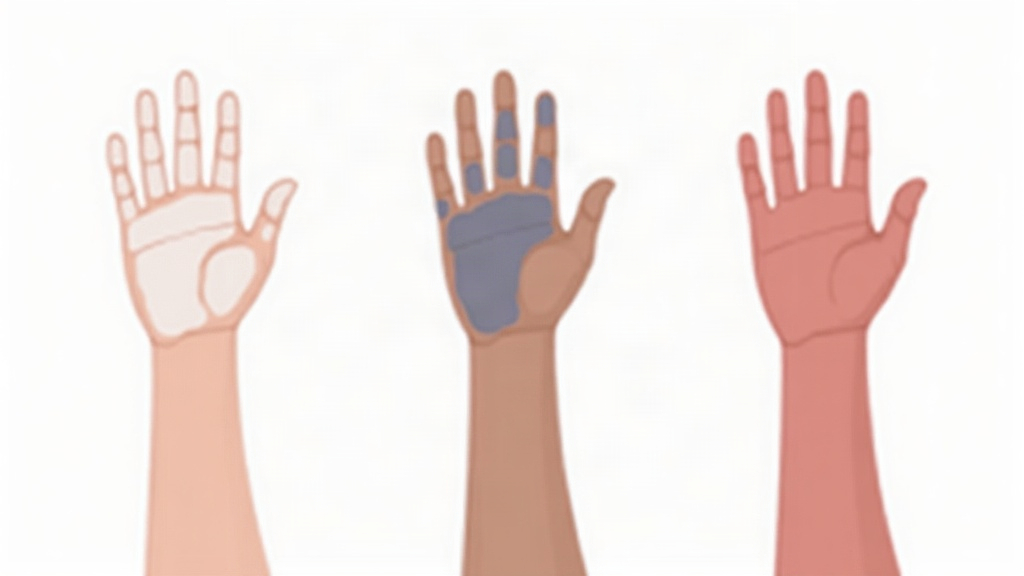
Primary vs Secondary Raynaud's: The Distinction That Changes Everything
Primary Raynaud's is a standalone vascular quirk. It typically begins before age 30, affects both hands symmetrically, is more annoying than dangerous, and is driven by autonomic reactivity without underlying tissue damage. Autoantibodies are negative. Nailfold capillaries look normal. Fingers do not ulcerate.
Secondary Raynaud's is a different disease pinned to the same symptom. It is driven by an autoimmune or vascular condition that damages small vessels directly. Onset is often after age 30. Attacks can be asymmetric. Digital ulcers, pits, and in severe cases tissue loss occur. The autoantibody workup is frequently positive. Nailfold capillaries show dilated loops, hemorrhages, or dropout.
The conditions that most commonly cause secondary Raynaud's are:
- Systemic sclerosis (scleroderma), including limited cutaneous scleroderma (CREST). About 95 percent of scleroderma patients have Raynaud's. It is often the first symptom, preceding skin changes by months or years.
- Systemic lupus erythematosus (SLE). Roughly 20 to 40 percent of lupus patients develop Raynaud's.
- Sjögren's syndrome. Around 15 to 30 percent, often alongside the sicca symptoms of dry eyes and dry mouth.
- Mixed connective tissue disease (MCTD). Approximately 85 percent, with anti-RNP antibodies as a marker.
- Dermatomyositis and polymyositis. Less common but notable, sometimes with nailfold capillary changes similar to scleroderma.
- Rheumatoid arthritis. A minor cause, but documented, particularly in patients with erosive disease.
Non-autoimmune secondary Raynaud's exists too. Vibration injury from power tools, occupational cold exposure, certain medications (beta-blockers, chemotherapy, ergotamines), and severe hypothyroidism can all produce it. Hand-arm vibration syndrome and repeated frostbite are obvious from history. Hematologic causes include cryoglobulinemia, polycythemia vera, and paraproteinemias, which thicken blood and worsen small-vessel flow. Arterial occlusive disease, thoracic outlet syndrome, and atherosclerosis of the subclavian or digital arteries can mimic Raynaud's and are often asymmetric. A careful workup at first presentation sorts these quickly.
The red flags that push a new patient toward secondary workup are clear. Onset after age 30. Asymmetric attacks. Digital ulcers, pits, or any blackened tissue. Positive ANA. Abnormal nailfold capillaroscopy. Sclerodactyly (tight, shiny skin over the fingers). Telangiectasias on the face or hands. Dry eyes or dry mouth. New rash, joint swelling, muscle weakness, or heartburn. Any of these should prompt a rheumatology referral before an extended supplement trial.
Primary vs Secondary Raynaud's: The Distinction That Changes Everything
Sorting which type you have determines whether conservative supplements are appropriate or whether you need urgent rheumatology workup.
| Primary Raynaud's | Secondary Raynaud's | |
|---|---|---|
| Typical age of onset | Under 30 (often teens to mid-20s) | After 30 — late onset is a red flag |
| Sex distribution | Strongly female (~4:1); estimated 20% of women in their 20s–30s have it | Female predominance less pronounced; depends on underlying disease |
| Family history | Positive family history common (first-degree relatives) | Family history of autoimmune disease (scleroderma, lupus, Sjögren’s) more relevant |
| Symmetry (both hands?) | Symmetric — both hands and feet affected similarly | Often asymmetric — one hand or finger disproportionately worse |
| Severity | Mild to moderate; quality-of-life impact but rarely tissue damage | Often severe; prolonged ischemia, intense pain, slow recovery |
| Tissue damage / ulcers | Absent — no digital pits, ulcers, or gangrene | Digital ulcers, fingertip pits, scarring, occasionally gangrene |
| Nailfold capillaroscopy | Normal capillary loops, regular spacing | Abnormal "scleroderma pattern" — dilated capillaries, dropout, hemorrhages, megacapillaries |
| Autoantibodies (ANA, anti-centromere, anti-Scl-70, anti-RNP) | ANA negative; specific autoantibodies absent | ANA frequently positive; anti-centromere (limited scleroderma/CREST), anti-Scl-70 (diffuse scleroderma), anti-RNP (MCTD), anti-SSA/SSB (Sjögren’s) |
| Associated condition | None — idiopathic ("Raynaud’s disease") | Systemic sclerosis (~95% have Raynaud’s), MCTD (~85%), SLE (20–40%), Sjögren’s (15–30%), dermatomyositis, RA |
| Treatment urgency | Conservative: cold avoidance, smoking cessation, lifestyle, evidence-graded supplements | Active rheumatology management; CCBs first-line; sildenafil/bosentan for ulcers (RAPIDS-1/RAPIDS-2 evidence) |
| Prognosis | Benign long-term; may improve over years or post-pregnancy | Driven by underlying disease; Raynaud’s can precede scleroderma diagnosis by years |
Nailfold Capillaroscopy: The 10-Minute Test That Changes Everything
Capillaroscopy is the most underused tool in Raynaud's care. A rheumatologist (or trained dermatologist) places a drop of immersion oil on the cuticle at the base of each fingernail and examines the tiny capillary loops under magnification. Low-cost dermatoscopes work. Dedicated nailfold capillaroscopes give the cleanest image. The exam takes about 10 minutes.
Normal nailfolds show neat hairpin-shaped capillary loops in regular rows. The "scleroderma pattern" shows giant, dilated loops, microhemorrhages, avascular areas where capillaries have dropped out, and disorganized architecture. The more severe the pattern, the higher the risk of progression to definite systemic sclerosis.
The clinical weight of this test is real. In patients with isolated Raynaud's plus a positive ANA, an abnormal nailfold pattern predicts progression to definite scleroderma with roughly 80 percent specificity over several years. Patients with a normal nailfold exam and negative autoantibodies have a very low probability of developing connective tissue disease and can usually be reassured.
Access is the limiting factor. Most primary care offices do not own a capillaroscope. Rheumatology clinics, especially those focused on systemic sclerosis, do. If you have Raynaud's plus any red flag, ask directly for nailfold capillaroscopy. It is the fastest way to stratify risk.
How We Grade the Evidence
Every intervention in this guide carries an evidence grade.
- Grade A: Multiple randomized controlled trials or meta-analyses in Raynaud's populations.
- Grade B: At least one randomized controlled trial, or strong mechanistic evidence paired with consistent clinical data.
- Grade C: Preliminary, mechanistic, or animal-only evidence.
Most online "supplements for Raynaud's" lists mix genuine trial data with speculation. Fish oil sits beside evening primrose oil. Ginkgo sits beside cayenne capsules. The grades separate real human evidence from wishful thinking.
Raynaud's Evidence Stack: Behavioral, Supplemental, and Prescription
Grades reflect quality of clinical evidence. Note the DiGiacomo 1989 fish oil caveat: benefit was observed in primary Raynaud's only — scleroderma-associated Raynaud's did not respond.
| Intervention | Grade | Mechanism | Key Evidence | Dose / Practical | Notes (primary vs secondary) |
|---|---|---|---|---|---|
Smoking cessation Behavioral | Grade A | Eliminates nicotine-driven peripheral vasoconstriction; restores endothelial function over weeks to months | Strongest single modifiable intervention; consistent observational and physiological evidence. Every cigarette triggers acute digital vasospasm. E-cigarettes/vaping carry the same nicotine effect. | Complete cessation; avoid secondhand smoke | Applies equally to primary and secondary. Highest-yield action a patient can take. |
Cold avoidance Behavioral | Grade A | Prevents the trigger for sympathetic-mediated digital arterial vasospasm. Core body temperature matters more than just hand temperature. | Universally accepted first-line behavioral measure across guidelines (Mayo, Cleveland Clinic, NIAMS, EULAR). | Layer torso first; mittens > gloves; chemical hand warmers; heated car seats; warm morning routine | Equally critical in primary and secondary. Sudden cold exposure (freezer aisle, AC) is a common trigger. |
Fish oil / Omega-3 (EPA+DHA) Supplement | Grade B | Reduces thromboxane A2; improves endothelial function; anti-inflammatory; modulates vascular reactivity | DiGiacomo et al. 1989 (Am J Med, n=32): 12 g/day fish oil × 12 weeks. Significant improvement in cold tolerance and attack severity in PRIMARY Raynaud’s only — the SECONDARY (scleroderma-associated) subgroup showed NO benefit. | 2–4 g EPA+DHA/day clinically; DiGiacomo used ~12 g (high). Trial 8–12 weeks. | PRIMARY-ONLY caveat is the most important nuance in the supplement literature. Do not assume scleroderma patients will respond. |
Inositol hexaniacinate (Hexopal) Supplement | Grade B | Sustained-release niacin form; peripheral vasodilation without acute prostaglandin flush | Belch & Saniabadi 1985: double-blind placebo-controlled crossover, 3 g/day × 3 months — reduced attack frequency and duration. Sunderland & Belch 1988: follow-on supportive work. | 1,500–3,000 mg/day, divided | OTC, well-tolerated, inexpensive. Caution: gout history, hepatic concerns, statin interaction. Use this rather than plain flush-form niacin. |
Ginkgo biloba (EGb 761) Supplement | Grade B | Platelet-activating factor inhibition; improved microcirculation; antioxidant | Muir et al. 2002 (Vasc Med, n=40): double-blind RCT, 120 mg × 10 weeks — attack frequency reduced ~56% vs placebo. 2011 follow-up vs nifedipine: nifedipine more effective but ginkgo better tolerated. | 120–240 mg/day standardized (24% flavonoids, 6% terpenes) | Bleeding risk; SSRI interaction; stop ≥7 days before surgery. Studies primarily in primary Raynaud’s. |
Biofeedback / thermal training Behavioral | Grade B | Voluntary peripheral vasodilation via autonomic retraining; reduces sympathetic vasoconstrictor tone | Raynaud’s Treatment Study (RTS), Arch Intern Med 2000, NIH-funded: thermal biofeedback compared to nifedipine and sham. Nifedipine superior overall, but biofeedback showed clinical benefit on several endpoints. | 20–30 minute sessions, 3–5×/week × 8–10 weeks; consumer thermal-biofeedback hardware available | Strongest evidence in primary Raynaud’s. Pairs well with stress management (MBSR, slow-exhale breathwork). |
L-arginine Supplement | Grade C | Nitric oxide precursor → endothelial-dependent vasodilation | Mixed small trials, including in scleroderma; some topical L-arginine/nitroglycerin combinations explored. No robust RCT for systemic Raynaud’s. | 3–6 g/day (oral) — preliminary | May worsen herpes outbreaks; theoretical post-MI concern. Tier 3 trial only. |
Magnesium Supplement | Grade C | Smooth muscle relaxation; vasospasm modulation (rationale extrapolated from migraine and coronary spasm literature) | No direct Raynaud’s RCT. Small observational signal; cross-autoimmune utility supports inclusion. | 300–400 mg glycinate or citrate at night | Tier 1 supportive — also helps sleep and stress, both of which influence Raynaud’s. |
Ginger Supplement | Grade C | Thromboxane inhibition; warming/thermogenic effect; anti-inflammatory | Mechanistic and culinary-anecdotal only. No Raynaud’s RCT. | 1–2 g fresh root or 500–1,000 mg standardized extract/day | Dietary adjunct, not a primary intervention. Safe culinary use is reasonable. |
Nifedipine (Rx CCB) Prescription | Grade A | Calcium channel blockade → smooth muscle relaxation → reduced digital arterial vasospasm | First-line prescription therapy across guidelines; multiple RCTs and meta-analyses show ~30–50% reduction in attack frequency. Amlodipine is an alternative with milder side-effect profile. | Nifedipine ER 30–60 mg/day; amlodipine 5–10 mg/day (prescriber-supervised) | Side effects: flushing, headache, ankle edema, hypotension. Often the right answer in moderate-to-severe disease, particularly secondary. |
Sildenafil (Rx PDE5 inhibitor) Prescription | Grade B | PDE5 inhibition → ↑cGMP → endothelial-mediated vasodilation in digital arteries | Multiple RCTs in severe and scleroderma-associated Raynaud’s show reduced attack frequency and improved healing of digital ulcers. Adjunctive context: RAPIDS-1 (Korn 2004) and RAPIDS-2 (Matucci-Cerinic 2011) established bosentan for systemic sclerosis ulcer prevention. | 20 mg TID (off-label, prescriber-supervised); tadalafil alternative | Reserved for severe, refractory, or ulcerating Raynaud’s — typically secondary. Sometimes better tolerated than CCBs. |
- Mechanism
- Eliminates nicotine-driven peripheral vasoconstriction; restores endothelial function over weeks to months
- Key Evidence
- Strongest single modifiable intervention; consistent observational and physiological evidence. Every cigarette triggers acute digital vasospasm. E-cigarettes/vaping carry the same nicotine effect.
- Dose / Practical
- Complete cessation; avoid secondhand smoke
- Notes
- Applies equally to primary and secondary. Highest-yield action a patient can take.
- Mechanism
- Prevents the trigger for sympathetic-mediated digital arterial vasospasm. Core body temperature matters more than just hand temperature.
- Key Evidence
- Universally accepted first-line behavioral measure across guidelines (Mayo, Cleveland Clinic, NIAMS, EULAR).
- Dose / Practical
- Layer torso first; mittens > gloves; chemical hand warmers; heated car seats; warm morning routine
- Notes
- Equally critical in primary and secondary. Sudden cold exposure (freezer aisle, AC) is a common trigger.
- Mechanism
- Reduces thromboxane A2; improves endothelial function; anti-inflammatory; modulates vascular reactivity
- Key Evidence
- DiGiacomo et al. 1989 (Am J Med, n=32): 12 g/day fish oil × 12 weeks. Significant improvement in cold tolerance and attack severity in PRIMARY Raynaud’s only — the SECONDARY (scleroderma-associated) subgroup showed NO benefit.
- Dose / Practical
- 2–4 g EPA+DHA/day clinically; DiGiacomo used ~12 g (high). Trial 8–12 weeks.
- Notes
- PRIMARY-ONLY caveat is the most important nuance in the supplement literature. Do not assume scleroderma patients will respond.
- Mechanism
- Sustained-release niacin form; peripheral vasodilation without acute prostaglandin flush
- Key Evidence
- Belch & Saniabadi 1985: double-blind placebo-controlled crossover, 3 g/day × 3 months — reduced attack frequency and duration. Sunderland & Belch 1988: follow-on supportive work.
- Dose / Practical
- 1,500–3,000 mg/day, divided
- Notes
- OTC, well-tolerated, inexpensive. Caution: gout history, hepatic concerns, statin interaction. Use this rather than plain flush-form niacin.
- Mechanism
- Platelet-activating factor inhibition; improved microcirculation; antioxidant
- Key Evidence
- Muir et al. 2002 (Vasc Med, n=40): double-blind RCT, 120 mg × 10 weeks — attack frequency reduced ~56% vs placebo. 2011 follow-up vs nifedipine: nifedipine more effective but ginkgo better tolerated.
- Dose / Practical
- 120–240 mg/day standardized (24% flavonoids, 6% terpenes)
- Notes
- Bleeding risk; SSRI interaction; stop ≥7 days before surgery. Studies primarily in primary Raynaud’s.
- Mechanism
- Voluntary peripheral vasodilation via autonomic retraining; reduces sympathetic vasoconstrictor tone
- Key Evidence
- Raynaud’s Treatment Study (RTS), Arch Intern Med 2000, NIH-funded: thermal biofeedback compared to nifedipine and sham. Nifedipine superior overall, but biofeedback showed clinical benefit on several endpoints.
- Dose / Practical
- 20–30 minute sessions, 3–5×/week × 8–10 weeks; consumer thermal-biofeedback hardware available
- Notes
- Strongest evidence in primary Raynaud’s. Pairs well with stress management (MBSR, slow-exhale breathwork).
- Mechanism
- Nitric oxide precursor → endothelial-dependent vasodilation
- Key Evidence
- Mixed small trials, including in scleroderma; some topical L-arginine/nitroglycerin combinations explored. No robust RCT for systemic Raynaud’s.
- Dose / Practical
- 3–6 g/day (oral) — preliminary
- Notes
- May worsen herpes outbreaks; theoretical post-MI concern. Tier 3 trial only.
- Mechanism
- Smooth muscle relaxation; vasospasm modulation (rationale extrapolated from migraine and coronary spasm literature)
- Key Evidence
- No direct Raynaud’s RCT. Small observational signal; cross-autoimmune utility supports inclusion.
- Dose / Practical
- 300–400 mg glycinate or citrate at night
- Notes
- Tier 1 supportive — also helps sleep and stress, both of which influence Raynaud’s.
- Mechanism
- Thromboxane inhibition; warming/thermogenic effect; anti-inflammatory
- Key Evidence
- Mechanistic and culinary-anecdotal only. No Raynaud’s RCT.
- Dose / Practical
- 1–2 g fresh root or 500–1,000 mg standardized extract/day
- Notes
- Dietary adjunct, not a primary intervention. Safe culinary use is reasonable.
- Mechanism
- Calcium channel blockade → smooth muscle relaxation → reduced digital arterial vasospasm
- Key Evidence
- First-line prescription therapy across guidelines; multiple RCTs and meta-analyses show ~30–50% reduction in attack frequency. Amlodipine is an alternative with milder side-effect profile.
- Dose / Practical
- Nifedipine ER 30–60 mg/day; amlodipine 5–10 mg/day (prescriber-supervised)
- Notes
- Side effects: flushing, headache, ankle edema, hypotension. Often the right answer in moderate-to-severe disease, particularly secondary.
- Mechanism
- PDE5 inhibition → ↑cGMP → endothelial-mediated vasodilation in digital arteries
- Key Evidence
- Multiple RCTs in severe and scleroderma-associated Raynaud’s show reduced attack frequency and improved healing of digital ulcers. Adjunctive context: RAPIDS-1 (Korn 2004) and RAPIDS-2 (Matucci-Cerinic 2011) established bosentan for systemic sclerosis ulcer prevention.
- Dose / Practical
- 20 mg TID (off-label, prescriber-supervised); tadalafil alternative
- Notes
- Reserved for severe, refractory, or ulcerating Raynaud’s — typically secondary. Sometimes better tolerated than CCBs.
Grade A: multiple RCTs or meta-analyses. Grade B: at least one RCT or strong mechanistic + clinical evidence. Grade C: mechanistic or preliminary evidence only.
Evidence-Graded Supplement Stack
Fish Oil (Omega-3 EPA + DHA): Grade B, Primary Raynaud's Only
The key trial is DiGiacomo et al. (1989, American Journal of Medicine). Thirty-two patients with Raynaud's were randomized to 12 g/day fish oil or an olive oil placebo for 12 weeks. The primary Raynaud's subgroup showed significant improvement in cold tolerance, with a longer time to digital ischemia on cold challenge and reduced attack severity. The secondary Raynaud's subgroup, composed mostly of scleroderma patients, showed no significant benefit.
This split result is the single most important piece of nuance in the Raynaud's supplement literature, and most competitor articles ignore it. Fish oil reshapes the eicosanoid balance in small vessels by shifting precursors away from thromboxane A2 and toward less vasoconstrictive mediators. In primary Raynaud's, where vessels respond but overreact, that shift is enough to help. In scleroderma-associated Raynaud's, where the vessels themselves are structurally damaged by ongoing fibrosis and endothelial destruction, a nutrient intervention is outmatched by the underlying pathology.
Dosing: 2 to 4 g combined EPA + DHA daily is the practical clinical dose. The DiGiacomo protocol used 12 g/day, which is difficult to sustain and carries real bleeding risk. Choose triglyceride-form fish oil or algal omega-3 for vegetarians. Discuss with your doctor if you are on warfarin, apixaban, or other anticoagulants.
Timeline: 8 to 12 weeks for membrane incorporation and measurable effect.
Inositol Hexaniacinate (Hexopal): Grade B
Belch and Saniabadi (1985) ran a double-blind placebo-controlled crossover trial of inositol hexaniacinate at 3 g/day over three months in primary Raynaud's patients. The treatment reduced attack frequency and duration compared with placebo. Subsequent work from the same group supported the indication. Sunderland and Belch (1988) extended the clinical picture with additional observational data.
Inositol hexaniacinate is a sustained-release form of niacin bonded to inositol. It releases niacin slowly enough to drive peripheral vasodilation without the acute flushing reaction that makes plain niacin intolerable for most people. The mechanism includes reduced fibrinogen, modest improvements in blood viscosity, and direct smooth muscle relaxation in small arteries.
Dosing: 1,500 to 3,000 mg per day in divided doses with meals. Start low and titrate. Tolerability is generally good. Avoid if you have a history of gout (niacin raises uric acid), active liver disease, or concurrent high-dose statin therapy (rhabdomyolysis risk). Discuss with your doctor if you take any lipid-lowering medication.
Timeline: 4 to 8 weeks for noticeable effect.
Ginkgo Biloba (EGb 761): Grade B
Muir et al. (2002, Vascular Medicine) conducted a double-blind, placebo-controlled trial of standardized ginkgo extract (EGb 761) at 120 mg/day for 10 weeks in patients with primary Raynaud's. Attack frequency dropped by roughly 56 percent in the ginkgo group, a clinically meaningful reduction.
A later head-to-head trial compared ginkgo with nifedipine over the same timeframe. Nifedipine produced a larger reduction in attack frequency. Ginkgo was better tolerated, with fewer adverse events and no hypotension or ankle edema. For patients who cannot tolerate calcium channel blockers, ginkgo is a reasonable evidence-supported alternative.
The mechanism involves inhibition of platelet-activating factor, improved microcirculatory flow, free radical scavenging, and mild vasodilation. EGb 761 is a specific standardized extract containing 24 percent flavonoid glycosides and 6 percent terpene lactones. Generic ginkgo may not reproduce the trial findings.
Dosing: 120 to 240 mg/day of standardized EGb 761, taken in divided doses with meals. Bleeding risk is the key caution. Stop ginkgo 7 to 10 days before surgery. Discuss with your doctor if you take warfarin, apixaban, aspirin, clopidogrel, or SSRIs.
Timeline: 6 to 10 weeks for effect, consistent with the Muir trial.
L-Arginine: Grade C
L-arginine is the precursor to nitric oxide, the primary vasodilator released by healthy endothelium. In Raynaud's, impaired nitric oxide signaling contributes to excessive vasoconstriction, so supplementation is a reasonable mechanistic target.
The clinical data is preliminary. Small trials in scleroderma-associated Raynaud's have tested oral L-arginine at 3 to 6 g/day and topical formulations combining L-arginine with nitroglycerin-like vasodilators. Results are mixed. No adequately powered primary Raynaud's RCT exists.
Dosing: 3 to 6 g/day oral is the range used in published studies. Caution with herpes simplex history (arginine can promote viral replication) and in patients within 6 months of myocardial infarction (a single trial suggested harm). Discuss with your doctor.
Magnesium: Grade C
Magnesium relaxes vascular smooth muscle and modulates calcium-mediated vasospasm. The mechanistic rationale is strong, supported by data from coronary vasospasm and migraine literature. A direct Raynaud's RCT does not exist.
Many Raynaud's patients, particularly those with concurrent autoimmune disease, are magnesium-deficient. Correcting deficiency supports sleep, muscle function, and cross-autoimmune inflammation. It is a reasonable Tier 1 addition on those grounds rather than as a standalone Raynaud's treatment.
Dosing: 200 to 400 mg elemental magnesium as glycinate or bisglycinate, taken in the evening. Avoid magnesium oxide (poor absorption, GI distress). Discuss with your doctor if you have kidney impairment.
Ginger: Grade C
Ginger inhibits thromboxane synthesis and has mild warming and anti-inflammatory effects. There is no Raynaud's RCT. Reported benefit is anecdotal and mechanistic.
Dosing: 1 to 2 g fresh ginger daily, or 500 to 1,000 mg of a standardized extract. A reasonable dietary adjunct, not a primary intervention.
Other Supplements With Thin Evidence
Evening primrose oil (GLA) has been studied with largely underwhelming results. Vitamin E, coenzyme Q10, and alpha-lipoic acid have mechanistic arguments but no Raynaud's-specific trials. Plain niacin produces severe acute flushing and is not a usable form; inositol hexaniacinate is the preferred delivery.
Behavioral and Lifestyle: The Real Foundation
Most Raynaud's improvement comes from behavior, not pills. The first-line interventions are unglamorous and genuinely effective.
Smoking Cessation: The Single Largest Modifiable Lever
Nicotine is one of the most potent peripheral vasoconstrictors in everyday use. Every cigarette produces acute, measurable reduction in digital blood flow. Chronic smoking accelerates endothelial dysfunction and small-vessel disease, worsens secondary Raynaud's, and increases the risk of digital ulceration. Secondhand smoke has measurable vascular effects. E-cigarettes and vaping deliver the same nicotine and produce the same vasoconstriction.
No supplement offers the effect size of full nicotine cessation. If you smoke and want one recommendation that matters, this is it.
Cold Avoidance: Core First, Hands Second
Peripheral vasospasm is downstream of core temperature regulation. Cold hands are often a reaction to a cold torso. Dress the core first. Layer merino wool or synthetic base layers. Heated vests are underrated. Mittens outperform gloves because they let the fingers share warmth. Chemical hand warmers tucked into mittens or pockets produce hours of heat.
Predictable cold exposures deserve predictable defenses. The freezer aisle, air-conditioned offices, morning outdoor transitions, and swimming pools are common triggers. Warm the car before driving in winter. Run warm water over your hands before handling cold groceries. Keep a pair of light gloves at the office if the building runs cold.
Biofeedback and Temperature Training: Grade B
The NIH-funded Raynaud's Treatment Study (RTS, Archives of Internal Medicine, 2000) compared sustained-release nifedipine, thermal biofeedback, sham biofeedback, and a relaxation control in 313 patients with primary Raynaud's over one year. Nifedipine produced the largest reduction in verified attacks. Thermal biofeedback was inferior to nifedipine on the primary outcome but performed numerically better than sham and relaxation in several secondary endpoints, and patient satisfaction with the behavioral arm was high.
Thermal biofeedback trains voluntary peripheral vasodilation. A sensor measures fingertip temperature. The patient learns, through repeated practice, to warm the hands by mental imagery, breathing, and autonomic downshifting. Over weeks of practice, the learned response generalizes into real-world attacks. Autogenic training, a related practice with self-suggestion phrases ("my hands are warm and heavy"), produces similar benefit in smaller studies.
Consumer-grade thermal biofeedback hardware is inexpensive. Pair it with a structured protocol (typically 10 to 15 minutes daily for 8 to 12 weeks). The intervention is safe and has no medication interactions. It is particularly attractive for primary Raynaud's patients who prefer to avoid calcium channel blockers, for women trying to conceive or already pregnant (where nifedipine use requires careful discussion), and for anyone whose attacks are reliably triggered by emotional stress. Two practical tips from the original RTS protocol: practice at the same time each day to build the conditioned response, and rehearse the vasodilation technique briefly before a known trigger (stepping into cold air, entering a stressful meeting) rather than only during actual attacks.
Stress Management
Emotional stress triggers attacks as reliably as cold. Sympathetic activation from anger, fear, or pressured deadlines produces the same peripheral vasoconstriction that a gust of cold air produces. Mindfulness-based stress reduction, yoga, slow breathing (six breaths per minute, with an emphasized exhale), and cognitive behavioral therapy all reduce sympathetic tone in clinical studies. None have been tested head-to-head in Raynaud's specifically, but the mechanism is coherent and the downside is nil.
Sleep deprivation increases sympathetic drive. Seven to nine hours nightly, on a consistent schedule, is the baseline. For lupus or Sjögren's patients with concurrent Raynaud's, sleep quality also modulates inflammatory cytokines that feed the vascular pathology.
Exercise
Regular aerobic exercise improves endothelial function, increases nitric oxide bioavailability, and reduces resting sympathetic tone. Warm up thoroughly before cold-weather exercise. Wear gloves, a balaclava or mask in sub-freezing air, and protect the extremities. Strength training supports vascular health indirectly through improved metabolic control.
Medications and Substances to Question
Some common medications worsen Raynaud's. Non-selective beta-blockers (propranolol, timolol, including ophthalmic drops for glaucoma) blunt peripheral beta-receptors and leave unopposed alpha-mediated vasoconstriction. Triptans and ergotamines used for migraine are vasoconstrictors. Certain chemotherapy agents (bleomycin, cisplatin) cause drug-induced Raynaud's. High-dose caffeine, pseudoephedrine in decongestants, and stimulant ADHD medications can trigger attacks in sensitive patients. Vibration from power tools directly damages small vessels.
If you take any of these, raise the question with your prescriber before stopping anything. Some substitutions are straightforward (a cardioselective beta-blocker, a non-triptan migraine option). Others require weighing Raynaud's severity against the indication for the drug.
Diet for Raynaud's
Raynaud's is primarily a vascular signaling problem, not a nutritional one. Diet contributes by supporting endothelial function and, in secondary cases, by modulating the underlying autoimmune disease.
The Mediterranean pattern has the strongest evidence for endothelial health broadly. Fatty fish two or three times weekly, olive oil as the primary fat, abundant vegetables and legumes, nuts and seeds, and limited refined grains. The same pattern appears in cardiovascular and autoimmune literature for the same reasons.
Anti-inflammatory focus matters more if Raynaud's is secondary. Processed foods, industrial seed oils, refined sugar, and heavy alcohol intake each damage endothelium and amplify inflammatory cascades. Lupus and scleroderma patients should treat this as medical, not cosmetic.
Warming foods like ginger, garlic, cayenne, and cinnamon have mechanistic and anecdotal support. None will replace vasodilator therapy, but a cup of ginger tea before cold exposure is a low-cost experiment. Cocoa flavanols have independent cardiovascular evidence for improving endothelial function and may modestly support peripheral flow; a small daily serving of dark chocolate or unsweetened cocoa is a reasonable addition for patients who tolerate caffeine well.
Limit caffeine if it triggers attacks (many patients notice this). Limit alcohol, which vasodilates acutely but produces rebound vasoconstriction and worsens sleep. Limit sodium if hypertension coexists. Hydrate adequately. Mild dehydration measurably reduces peripheral perfusion.
If your Raynaud's is secondary to Hashimoto's, Sjögren's, or lupus, the underlying condition drives your dietary priorities. The autoimmune protocol (AIP) diet has trial evidence in Hashimoto's (Abbott et al., 2019) and IBD (Konijeti et al., 2017) and is a reasonable escalation when Mediterranean eating is insufficient. Our natural remedies for lupus and Sjögren's syndrome natural treatment guides cover condition-specific dietary strategy.
Prescription Options (For Context)
Natural interventions sit inside a larger treatment landscape. Knowing the prescription options helps you decide when to hold the line on supplements alone and when to escalate.
Calcium channel blockers (nifedipine, amlodipine, nicardipine). First-line for moderate to severe Raynaud's. Typical starting dose is nifedipine extended-release 30 mg/day, titrated up to 60 or 90 mg. Reduces attack frequency by roughly 30 to 50 percent in clinical trials. Side effects include flushing, headache, ankle edema, and hypotension.
PDE5 inhibitors (sildenafil, tadalafil). Second-line, often reserved for patients who cannot tolerate CCBs or who have severe disease with digital ulceration. Evidence is strongest in scleroderma-associated Raynaud's. Typical sildenafil dose is 20 mg three times daily.
Topical nitroglycerin. Applied to the affected finger or web space for focal ischemia. Useful as a rescue strategy during severe attacks.
Intravenous iloprost (prostacyclin analogue). Used in specialist centers for severe digital ischemia, impending gangrene, or treatment-resistant ulceration.
Bosentan (endothelin receptor antagonist). The RAPIDS-1 (Korn et al., Arthritis & Rheumatism, 2004) and RAPIDS-2 (Matucci-Cerinic et al., Annals of the Rheumatic Diseases, 2011) trials tested bosentan in systemic sclerosis patients with a history of digital ulcers. Neither trial showed accelerated healing of existing ulcers, but bosentan significantly reduced the number of new ulcers forming. RAPIDS-2 enrolled 188 patients and showed a roughly 30 percent reduction in new ulcers over 24 weeks, with the greatest benefit in patients who already had multiple ulcers at baseline. Bosentan is approved in Europe for prevention of new digital ulcers in scleroderma. Hepatotoxicity requires monthly liver function monitoring, and teratogenicity mandates effective contraception in women of childbearing age.
Botulinum toxin injections. An emerging option for refractory digital ischemia. Small case series report meaningful improvement. Not FDA-approved for this indication.
Natural options complement rather than replace these medications in severe or secondary disease. A scleroderma patient with recurring digital ulcers is not a candidate for supplement monotherapy.
When to See a Doctor: Red Flags and Referral Framework
Raynaud's Red Flags: When to Get a Rheumatology Referral
Any one of these features suggests secondary Raynaud's — driven by an underlying autoimmune disease. Natural interventions are complementary, not substitutes, in this scenario.
Asymmetric attacks (one hand or finger much worse)
Rheumatology referral. Asymmetry suggests a structural or autoimmune driver rather than primary vasospasm. Order ANA panel and consider nailfold capillaroscopy.
Onset after age 30
Workup for secondary causes. Primary Raynaud’s typically begins in the teens or 20s. Late onset raises the prior probability of an underlying connective tissue disease — request ANA, ESR/CRP, TSH, and a clinical exam.
Episodes with severe pain
Reassess diagnosis. Primary Raynaud’s is uncomfortable but rarely intensely painful. Severe pain suggests prolonged ischemia and warrants urgent evaluation, especially if accompanied by skin changes.
Digital ulcers / sores that don't heal
Urgent rheumatology or vascular referral. Ulcers indicate critical ischemia. Discuss CCBs, sildenafil, and bosentan (RAPIDS-1/RAPIDS-2 evidence) with a specialist; do NOT rely on supplements alone.
Skin tightening or thickening (sclerodactyly)
Immediate rheumatology referral. Sclerodactyly with Raynaud’s is highly suggestive of systemic sclerosis. Order ANA, anti-centromere, and anti-Scl-70 antibodies plus nailfold capillaroscopy.
Positive ANA or anti-centromere antibody
Rheumatology referral. Positive ANA + Raynaud’s + abnormal capillaroscopy carries ~80% specificity for progression to definite scleroderma. Schedule monitoring and additional autoantibody panel (anti-Scl-70, anti-RNP, anti-SSA/SSB).
Abnormal nailfold capillaroscopy (dropout, megacapillaries, hemorrhages)
Rheumatology follow-up at minimum every 6–12 months. The "scleroderma pattern" can predate clinical disease by years. Track autoantibodies and screen for organ involvement (PFTs, echo).
Other connective tissue symptoms (dry eyes/mouth, joint pain, GERD, dyspnea, telangiectasias, rash, muscle weakness)
Comprehensive autoimmune workup. Combinations point to specific diseases: sicca → Sjögren’s; GERD + telangiectasias + sclerodactyly → CREST; rash + weakness → dermatomyositis; serositis + photosensitivity → SLE. Refer accordingly.
One red flag is enough to justify referral. Rheumatologists can perform nailfold capillaroscopy and a full autoantibody panel (ANA, anti-centromere, anti-Scl-70, anti-RNP, anti-SSA/SSB) in a single visit.
Any of the following should push you toward rheumatology rather than a longer supplement trial.
- Digital ulcers, pits, or any area of blackened or necrotic tissue. This is urgent. Severe ischemia can progress to tissue loss.
- Asymmetric attacks. One hand or one finger much worse than the others suggests structural vessel disease (thromboembolism, vasculitis, vibration injury) rather than primary Raynaud's.
- Positive ANA, especially at a titer of 1:320 or higher with a nucleolar, centromere, or speckled pattern.
- Specific autoantibodies including anti-centromere (limited scleroderma), anti-Scl-70 / anti-topoisomerase I (diffuse scleroderma), anti-RNA polymerase III (rapidly progressive scleroderma), and anti-RNP (MCTD).
- Abnormal nailfold capillaroscopy with giant loops, hemorrhages, or dropout.
- New connective-tissue symptoms: sclerodactyly (tight skin on fingers), telangiectasias on face or hands, sicca symptoms (dry eyes and mouth), new joint swelling, muscle weakness, rash, heartburn, shortness of breath, or unexplained weight loss.
- Onset after age 30 without prior history.
- Rapidly worsening attacks despite cold avoidance and conservative measures.
For baseline primary care workup in a patient with new Raynaud's and no red flags, a reasonable panel includes CBC, ESR, CRP, TSH, basic metabolic panel, ANA, and urinalysis. If any of those return abnormal, or if symptoms evolve, escalate. Our guide to early signs of autoimmune disease covers the broader pattern of systemic clues worth tracking.
Building Your Raynaud's Natural Protocol
Tier 1: Foundation (Everyone)
- Cold avoidance strategy, layered clothing, hand warmers.
- Full nicotine cessation if you smoke or vape.
- Mediterranean-leaning diet, adequate hydration.
- Omega-3 EPA + DHA 2 to 4 g/day.
- Magnesium glycinate 200 to 400 mg in the evening.
- Thermal biofeedback practice, 10 to 15 minutes daily for 8 to 12 weeks.
Tier 2: Primary Raynaud's Escalation
If Tier 1 alone produces incomplete relief after 8 to 12 weeks, add one of:
- Inositol hexaniacinate 1,500 to 3,000 mg/day in divided doses, or
- Ginkgo biloba (standardized EGb 761) 120 to 240 mg/day.
Trial for 3 months and reassess. If both classes fail, discuss prescription calcium channel blockers with your doctor.
Tier 2: Secondary Raynaud's
Treat the underlying disease first. The Raynaud's improves only as much as the systemic condition allows. Build the condition-specific protocol from:
- Natural remedies for lupus for SLE.
- Sjögren's syndrome natural treatment for Sjögren's.
- The scleroderma-specific guide (forthcoming) for systemic sclerosis.
Digital ulcer risk is meaningfully higher in this group. Involve rheumatology early. Discuss PDE5 inhibitor or bosentan therapy if ulcers appear.
Tier 3: Advanced Considerations
- L-arginine trial at 3 to 6 g/day, particularly in scleroderma-associated Raynaud's, under medical supervision.
- Low-dose naltrexone (LDN) at 1.5 to 4.5 mg nightly for concurrent autoimmune disease with fatigue and pain burden. LDN has not been tested directly for Raynaud's but can support the underlying condition. Requires a prescription.
- Functional laboratory workup including full ANA panel with extractable nuclear antigens, anti-centromere, anti-Scl-70, anti-RNP, anti-RNA polymerase III, complement levels, and nailfold capillaroscopy.
- For cross-condition supplement strategy, see our best supplements for autoimmune disease guide.
Every dosage should be discussed with your doctor, particularly if you take anticoagulants, immunosuppressants, or blood pressure medications.
Frequently Asked Questions
What is the best natural treatment for Raynaud's?
Fish oil (2 to 4 g EPA + DHA daily) and ginkgo biloba (120 to 240 mg of standardized EGb 761) have the strongest randomized-trial evidence for primary Raynaud's. Inositol hexaniacinate (1,500 to 3,000 mg/day) adds a third option with double-blind trial support from Belch and colleagues. Thermal biofeedback is the strongest behavioral intervention, and smoking cessation is the largest modifiable lever. None of these replace calcium channel blockers in moderate-to-severe or secondary disease.
How do I know if my Raynaud's is autoimmune?
Secondary (autoimmune) Raynaud's is more likely if onset occurs after age 30, attacks are asymmetric, you develop digital ulcers or pits, your ANA is positive, nailfold capillaroscopy shows giant loops or dropout, or you have other systemic symptoms (dry eyes, skin tightening, joint swelling, muscle weakness, rash, heartburn). A rheumatologist can order an ANA panel with specific autoantibodies and perform capillaroscopy to stratify risk.
Does fish oil help Raynaud's?
Yes, in primary Raynaud's. The DiGiacomo 1989 RCT in American Journal of Medicine randomized 32 patients to 12 g/day fish oil versus placebo for 12 weeks. The primary subgroup improved significantly in cold tolerance and attack severity. The secondary (scleroderma) subgroup showed no benefit. Clinical doses today are typically 2 to 4 g EPA + DHA. If your Raynaud's is scleroderma-associated, do not rely on fish oil alone.
Can ginkgo biloba treat Raynaud's?
A 2002 double-blind RCT by Muir and colleagues found that EGb 761 ginkgo extract at 120 mg/day reduced attack frequency by roughly 56 percent over 10 weeks. A later comparison found ginkgo less potent than nifedipine but better tolerated. Use standardized EGb 761 and watch for bleeding risk if you take anticoagulants, antiplatelet agents, or SSRIs. Stop ginkgo 7 to 10 days before surgery.
What supplements should I avoid with Raynaud's?
Avoid high-dose caffeine and stimulants (ephedra, synephrine, high-dose yohimbe, some pre-workout blends), which increase peripheral vasoconstriction. Avoid plain flush-form niacin; use inositol hexaniacinate instead. Be cautious with high-dose ginkgo or fish oil if you take anticoagulants. If your Raynaud's is secondary to lupus, avoid immune-stimulating supplements like echinacea, ashwagandha, spirulina, and alfalfa, which can worsen the underlying disease.
Does diet affect Raynaud's?
Yes. A Mediterranean pattern supports endothelial function. Fatty fish provides dietary omega-3. Polyphenol-rich vegetables and olive oil modulate vascular inflammation. High caffeine intake and nicotine are both documented triggers. Alcohol vasodilates acutely and rebounds. If your Raynaud's is secondary to autoimmunity, the AIP diet may help the underlying condition.
Is Raynaud's dangerous?
Primary Raynaud's is uncomfortable but not dangerous. Secondary Raynaud's, particularly in systemic sclerosis, can progress to digital ulcers, infection, and in rare cases tissue loss or amputation. The difference matters. Sorting primary from secondary is the first clinical priority, not supplement selection.
What is nailfold capillaroscopy?
A 10-minute office test in which a rheumatologist or trained dermatologist applies immersion oil to the base of each fingernail and examines the tiny capillary loops under magnification. Normal loops suggest primary Raynaud's. Giant, dilated loops with hemorrhages or dropout suggest the scleroderma-spectrum pattern, which can precede full systemic sclerosis by years. Ask for it if you have a positive ANA or any red flag.
Can Raynaud's go away on its own?
Primary Raynaud's sometimes improves over years, particularly after pregnancy or with sustained lifestyle change (smoking cessation, consistent cold avoidance, biofeedback practice). Secondary Raynaud's rarely resolves without treatment of the underlying autoimmune disease. If you have been told you have Raynaud's and your attacks are getting worse, a repeat workup is reasonable.
Take the Next Step
Raynaud's sits at a useful crossroads. It can be a mild nuisance or the first whisper of something larger. The right response depends on which one it is for you.
Take the free 3-minute AutoimmuneFinder quiz to receive a personalized evidence-graded protocol. The quiz screens for Raynaud's red flags, autoantibody history, and overlapping autoimmune symptoms, and tailors the protocol to primary or secondary risk.
This article is for educational purposes only and does not constitute medical advice. Digital ulcers, ischemic fingers, or a positive autoantibody panel warrant evaluation by a physician. Natural interventions are complementary, not substitutes, particularly in secondary Raynaud's. Discuss any new supplement or protocol with your healthcare provider before starting, especially if you take anticoagulants, immunosuppressants, blood pressure medications, or other prescription therapy.