Key takeaways
The 30-second version
- Turmeric for lupus has real but small evidence. Three small trials found curcumin, the active compound in turmeric, lowered some lupus blood markers. None showed it calms the disease as a whole.
- The best trial (2024, 62 patients) used 1,000 mg of curcumin a day for 10 weeks. Anti-dsDNA antibodies and IL-6 fell more than with placebo. Disease activity scores did not change in other studies.
- For lupus nephritis, one tiny trial of 24 people found less protein in the urine with turmeric. It is a hopeful hint, not proof. Kidney lupus still needs your nephrologist's treatment.
- Curcumin can raise bleeding risk with blood thinners and pushed tacrolimus levels dangerously high in one reported case. Avoid it with gallstones, in pregnancy, and be careful if you form kidney stones.
- Magnesium and vitamin C are low-risk but unproven for lupus. Maca has no lupus data. Skip ashwagandha. Never stop your lupus medication, and clear every supplement with your rheumatologist.
Want a version built around your symptoms and labs?
Take the 3-min quiz →Turmeric for lupus earns a cautious Grade B. Curcumin, the main active compound in turmeric, has been tested in three small placebo-controlled trials in systemic lupus erythematosus (SLE). The largest, a 2024 triple-blind trial of 62 patients, found 1,000 mg/day for 10 weeks reduced anti-dsDNA antibodies and IL-6 compared with placebo (Sedighi et al., 2024). A 24-patient lupus nephritis trial found proteinuria fell from about 954 to 261 mg/day after three months of turmeric (Khajehdehi et al., 2012). Pooled analyses, however, show no consistent change in SLEDAI disease activity scores (Ramessar et al., 2023).
The practical answer: curcumin is a reasonable add-on for some lupus patients, at 500 to 1,000 mg/day of an absorbable extract, after a drug interaction check. It is not a substitute for hydroxychloroquine, mycophenolate, belimumab or any part of standard care. This guide covers the trials in detail, the interactions that matter for lupus medications specifically, and the other supplements people ask about: magnesium, vitamin C, maca and ashwagandha.
Turmeric and Lupus: Why the Question Keeps Coming Up
Lupus is driven by an immune system that makes antibodies against the body's own DNA and nuclear proteins. Those antibodies form immune complexes, lodge in kidneys, skin and joints, and set off inflammation. Several of the signals that sustain this cycle, notably NF-kB, IL-6 and the Th17 cell pathway, are exactly the targets curcumin hits in lab studies.
That overlap explains the interest. It does not guarantee results. Many compounds that look promising in a dish fail in people, and curcumin has a specific problem that makes the gap wider: very little of it reaches the bloodstream.
If you want the wider picture first, our natural remedies for lupus guide ranks every major supplement for SLE. This article goes deeper on curcumin alone, then answers the narrower questions that guide does not.
How We Grade the Evidence
Multiple RCTs or meta-analyses
Consistent benefit in lupus patients across well-run trials.
Single or small RCTs, strong mechanism
Promising human data, but small, short or mixed.
Preliminary, observational or animal data
Plausible, not tested properly in lupus.
We grade curcumin separately for general SLE (Grade B) and for lupus nephritis (Grade C). The kidney data are thinner and the stakes are higher.
Curcumin in Lupus: The Human Trials [Grade B]
Four randomized trials have tested curcumin or a close relative in lupus patients. They are small, they used different products and doses, and only one compared the groups head to head in the way that settles a question. Here is each one, plainly.
Sedighi et al. 2024: The Strongest Curcumin Lupus Trial
Researchers in Iran recruited 70 SLE patients aged 18 to 60 for a triple-blind, placebo-controlled trial published in the European Journal of Nutrition. Sixty-two completed it. The active group took 1,000 mg of curcumin daily for 10 weeks on top of their usual treatment.
Anti-dsDNA antibodies fell from 52.6 to 43.3 units and IL-6 from 127 to 101 pg/mL in the curcumin group. After adjusting for confounders, both drops were significantly larger than in the placebo group (anti-dsDNA change of minus 9.3 vs minus 2.6; IL-6 change of minus 25.6 vs minus 7.3). Complement C3 and C4, CH50, rheumatoid factor, ESR, hs-CRP and TNF-alpha did not change.
Wahono et al. 2024: Curcumin-Piperine Plus Vitamin D
An Indonesian double-blind trial randomized 45 women with SLE into three groups for three months: vitamin D3 alone (400 IU three times daily), curcumin 600 mg with piperine once daily, or both together (Wahono et al., 2024, Current Rheumatology Reviews).
All three groups improved on the Mexican SLEDAI, fatigue scores and IL-6. The combination group improved significantly more than either single treatment. Curcumin-piperine alone performed about the same as vitamin D alone. The trial had no true placebo arm, so the within-group improvements could partly reflect time and regular follow-up.
Wahono et al. 2017: A Null Result Worth Knowing
An earlier trial from the same Indonesian group added Curcuma xanthorrhiza (Javanese turmeric, 60 mg/day) to vitamin D3 in 39 patients with active SLE and low vitamin D. After three months there was no difference between groups in SLEDAI, IL-6 or TGF-beta (Wahono et al., 2017, International Journal of Rheumatology). The product and dose were different from standard curcumin, but it is a reminder that the positive results are not universal.
What the Reviews Say
A 2023 systematic review in Lupus found three double-blind human trials (14 to 39 patients, 4 to 12 weeks). Curcumin reduced 24-hour and spot proteinuria, but there was no change in C3, dsDNA or SLEDAI scores, even in the longer trials (Ramessar et al., 2023). The authors concluded that no uniform dose can be advised.
A 2025 meta-analysis pooled seven RCTs in RA and SLE (314 patients) and found no significant overall effect on ESR or CRP, with very high heterogeneity between studies (Liu et al., 2025, Inflammation Research). Only one of those trials, Sedighi, was in lupus.
Curcumin and Lupus Nephritis [Grade C]
Lupus nephritis affects a large share of people with SLE and is one of the main drivers of serious illness in the disease. That makes the kidney data the most searched and the most easily overstated.
The Khajehdehi 2012 Trial
At Shiraz University of Medical Sciences, 24 patients with relapsing or refractory biopsy-proven lupus nephritis were randomized to turmeric capsules or starch placebo, one capsule with each meal for three months (Khajehdehi et al., 2012, Journal of Renal Nutrition). Each capsule held 500 mg of turmeric with 22.1 mg of curcumin, so the daily curcumin dose was only about 66 mg.
Proteinuria in the turmeric group fell from 954 mg/day at baseline to 449, 236 and 261 mg/day at months one, two and three. Hematuria and systolic blood pressure also fell. The placebo group showed no significant change. No adverse effects were reported.
There are three reasons to hold this loosely. Twelve people per group is tiny. The statistics compared each group with its own baseline, not the turmeric group against the placebo group directly. And the result has not been replicated in a published adult trial in the 14 years since.
What Is Still Pending
An Egyptian trial at Ain Shams University (NCT05714670) gave 1,000 mg/day curcumin for three months to children with active lupus nephritis alongside mycophenolate and steroids. ClinicalTrials.gov lists it as completed in 2024 with 72 participants. We could not find peer-reviewed results as of October 2026. When they appear, they will be the largest nephritis dataset for curcumin.
Animal work is mixed. In NZBWF1 lupus mice, two weeks of high-dose curcumin reduced glomerulosclerosis and blood urea nitrogen but did not lower anti-dsDNA, albuminuria or blood pressure (Dent et al., 2020, Physiological Reports). Other mouse studies summarized in the 2023 review reported falls in dsDNA, proteinuria and kidney inflammation at longer durations.
How Curcumin Works in Lupus: NF-kB, IL-6 and Th17
The lab case for curcumin rests on three overlapping pathways that lupus relies on.
NF-kB. This transcription factor switches on genes for many inflammatory cytokines. In lupus-prone mice, curcumin suppressed NF-kB activation and inducible nitric oxide synthase, with falls in dsDNA, proteinuria and renal inflammation (reviewed in Ramessar et al., 2023).
IL-6. IL-6 drives B cells to mature into antibody-producing plasma cells and sustains inflammation. It is the one marker that fell in both the Sedighi and Wahono 2024 human trials.
Th17 and BAFF. Mouse studies report reductions in Th1 and Th17 cells, anti-nuclear antibodies, and B cell-activating factor (BAFF). BAFF is the target of belimumab, an approved lupus drug. The mouse doses (12.5 to 200 mg/kg/day for many weeks) were far higher, relative to body weight, than anything used in human trials.
The Bioavailability Problem
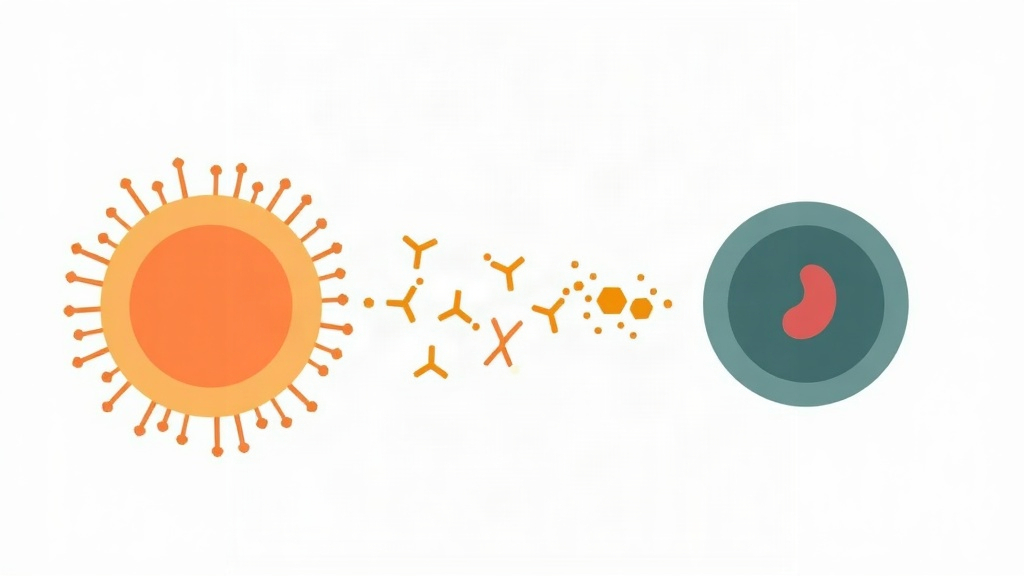
Plain curcumin is poorly absorbed, rapidly conjugated in the gut wall and liver, and cleared quickly. In the classic pharmacokinetic study, 2 g of curcumin alone produced serum levels that were undetectable or very low in human volunteers. Adding 20 mg of piperine (black pepper extract) increased bioavailability by about 2,000% (Shoba et al., 1998, Planta Medica).
The common formulations fall into a few groups:
| Formulation | How it works | Typical daily amount | Lupus-specific data |
|---|---|---|---|
| Curcumin + piperine (e.g., C3 Complex with BioPerine) | Piperine slows curcumin breakdown | 500 to 1,000 mg curcumin + 5 to 20 mg piperine | Wahono 2024 used curcumin-piperine |
| Phytosome (curcumin bound to phosphatidylcholine) | Fat-soluble complex absorbs better | 500 to 1,000 mg of the complex | None in lupus |
| Micellar or nano-curcumin | Water-dispersible particles | 40 to 160 mg | None in lupus (used in RA trials) |
| Standard 95% curcuminoid extract | No enhancer | 1,000 mg with a fatty meal | Sedighi 2024 used 1,000 mg/day curcumin capsules |
| Whole turmeric root powder | About 2 to 5% curcumin | Not a practical therapeutic route | Khajehdehi 2012 (very low curcumin dose) |
Piperine has a cost. It slows the metabolism of many drugs, not just curcumin. If you take a narrow-margin medication, a non-piperine enhanced form (phytosome or micellar) is the more cautious choice. Cooking with turmeric is fine and pleasant. It does not deliver trial doses.
For a longer comparison of brands and forms, see the bioavailability section of our curcumin for rheumatoid arthritis guide. The chemistry is the same in lupus.
Dose and Form for Lupus
Based on the trials above, here is what a reasonable trial of curcumin looks like. Discuss every number with your rheumatologist before starting.
- Dose: 500 to 1,000 mg/day of curcumin from a standardized extract. The best lupus trial used 1,000 mg/day.
- Form: An enhanced formulation. Choose piperine-free (phytosome or micellar) if you take tacrolimus, cyclosporine, warfarin or other narrow-margin drugs.
- Timing: With a meal containing some fat, split into two doses if you take 1,000 mg.
- Duration: Give it 10 to 12 weeks, then review anti-dsDNA, complement and urine protein with your doctor.
- Labs: Baseline liver enzymes (ALT, AST), then again at 6 to 8 weeks. INR or drug levels as listed below.
- Quality: Look for third-party testing (USP Verified, NSF Certified for Sport). Turmeric products have a history of lead contamination from adulterant dyes.
Drug Interactions That Matter for Lupus Patients
Most curcumin safety articles talk about interactions in general. People with lupus take a specific set of drugs, and some of those carry real risk with curcumin. Our lupus diet guide covers food interactions with these same medications.
Curcumin safety check for lupus patients
Run through this list before you buy a bottle. If any row applies to you, bring it to your rheumatologist first.
Warfarin, apixaban, rivaroxaban, or other blood thinners (often prescribed for antiphospholipid syndrome)
Doctor firstCurcumin has mild antiplatelet activity. Stacking it on anticoagulants, high-dose fish oil, or NSAIDs adds bleeding risk.
What to do: Only with your prescriber in the loop. On warfarin, recheck INR after starting and after any dose change.
Tacrolimus or cyclosporine (calcineurin inhibitors, sometimes used for lupus nephritis)
Doctor firstA published case linked high-dose turmeric to a tacrolimus level of 29.9 ng/mL and acute kidney injury (Nayeri et al., 2017). Narrow-margin drug, one report, real stakes.
What to do: Do not self-start. If your nephrologist agrees, get a trough level 1 to 2 weeks after starting.
Mycophenolate (CellCept, Myfortic)
Tell your doctorNo human interaction study exists. Curcumin inhibits glucuronidation enzymes in lab studies, and mycophenolic acid is cleared that way. Theory only, but untested.
What to do: Tell your rheumatologist. Keep your usual lab schedule (CBC, liver enzymes).
Hydroxychloroquine (Plaquenil)
Tell your doctorNo documented interaction. A 2013 volunteer study found curcumin-piperine did not change CYP3A or CYP2C9 drug levels (Volak et al.).
What to do: Generally compatible. Keep taking hydroxychloroquine exactly as prescribed.
Liver disease, raised liver enzymes, or methotrexate use
Doctor firstRare idiosyncratic liver injury has been reported with turmeric supplements, usually after 1 to 4 months. USP now recommends a liver warning on labels (Akhtar et al., 2026).
What to do: Baseline ALT/AST, then recheck at 6 to 8 weeks. Stop and call your doctor if you notice dark urine, yellow eyes, or upper-right abdominal pain.
History of calcium oxalate kidney stones
Doctor firstTurmeric powder raised urinary oxalate more than cinnamon in a crossover study (Tang et al., 2008). Oxalate nephropathy has been reported with chronic turmeric use.
What to do: Prefer a purified curcumin extract over whole turmeric powder capsules, and ask about a 24-hour urine test.
Gallstones or bile duct obstruction
AvoidCurcumin contracts the gallbladder. 20 mg produced about a 29% contraction in healthy volunteers (Rasyid & Lelo, 1999).
What to do: Avoid supplemental curcumin unless your doctor clears it.
Pregnancy, trying to conceive, or breastfeeding
AvoidCulinary turmeric is fine. Supplement-dose safety data in pregnancy do not exist, and lupus pregnancies are already high-risk.
What to do: Skip supplements. Cook with turmeric if you like it.
Surgery or kidney biopsy scheduled
Doctor firstSame antiplatelet concern as above. Lupus nephritis workups often include a kidney biopsy.
What to do: Stop 2 weeks before the procedure unless your team says otherwise.
Never stop or reduce a prescribed lupus medication to make room for a supplement. Curcumin is an add-on at best.
Anticoagulants and Antiphospholipid Syndrome
A significant minority of people with lupus have antiphospholipid antibodies, and some need long-term anticoagulation. Curcumin has antiplatelet activity. Combined with warfarin, a direct oral anticoagulant, high-dose fish oil or regular NSAIDs, bleeding risk adds up. If you take warfarin, introduce curcumin only with your prescriber's agreement and recheck your INR after starting.
Tacrolimus and Cyclosporine
Calcineurin inhibitors are used in some lupus nephritis regimens, including the newer voclosporin. A 2017 case report described a liver transplant recipient on a stable tacrolimus dose whose level jumped to 29.9 ng/mL, with creatinine at 4.2 mg/dL, after high-dose turmeric intake (Nayeri et al., 2017, Transplantation Proceedings). A single case does not establish frequency, but these drugs have a narrow margin and the consequence was kidney injury. If your nephrologist approves curcumin, ask for a trough level one to two weeks after starting.
Mycophenolate
There is no human interaction study between curcumin and mycophenolate. Mycophenolic acid is cleared mainly by glucuronidation, and curcumin inhibits glucuronidation enzymes in lab studies. Whether that matters at supplement doses is unknown. Tell your rheumatologist and keep to your regular blood count and liver test schedule.
Hydroxychloroquine
No interaction has been documented. In a crossover study of eight healthy volunteers, 4 g of curcuminoids with 24 mg piperine over two days did not change the pharmacokinetics of midazolam (a CYP3A probe), flurbiprofen (CYP2C9) or paracetamol (Volak et al., 2013, British Journal of Clinical Pharmacology). That is reassuring for hydroxychloroquine and many other drugs, though it does not fully explain the tacrolimus case.
Methotrexate, Steroids and the Liver
Methotrexate stresses the liver, and turmeric supplements carry a small risk of idiosyncratic liver injury. A 2026 United States Pharmacopeia review found that hepatotoxicity typically appears after 1 to 4 months of use, usually resolves on stopping, and has rarely progressed to acute liver failure. USP now recommends a liver warning on turmeric and curcumin labels (Akhtar et al., 2026, Pharmaceutical Biology).
Who Should Avoid Turmeric Supplements
Kidney stones and oxalate. Turmeric contains oxalate. In a crossover study of 11 healthy adults, turmeric supplements raised urinary oxalate significantly more than cinnamon or control (Tang et al., 2008, American Journal of Clinical Nutrition). Oxalate nephropathy has been reported with chronic turmeric use (Washington et al., 2024). With lupus kidneys, purified curcumin extract is a better choice than whole turmeric powder, and a stone history is reason to ask first.
Gallbladder disease. Curcumin makes the gallbladder contract. A 20 mg dose shrank gallbladder volume by about 29% in healthy volunteers (Rasyid & Lelo, 1999). That is a problem if you have gallstones or bile duct obstruction.
Pregnancy. Culinary turmeric is fine. Supplement-level safety data in pregnancy do not exist, and lupus pregnancies are already monitored as high-risk. Skip curcumin supplements while pregnant or breastfeeding.
Before procedures. Stop curcumin about two weeks before surgery or a kidney biopsy unless your team says otherwise.
Active, severe lupus. During a flare with organ involvement, nothing in this article belongs in the decision-making ahead of your rheumatologist's plan.
Other Supplements People Ask About With Lupus
The search data tell us people with lupus are asking about four other supplements alongside turmeric. Here is where each stands, including the ones with no data at all.
Curcumin
Grade BReasonable add-on, modest effect
Best evidence in lupus
Three small placebo-controlled trials. Sedighi 2024 (62 completers): anti-dsDNA and IL-6 fell vs placebo. Khajehdehi 2012 (24 with nephritis): proteinuria fell within the turmeric group.
Watch out
Blood thinners, tacrolimus, gallstones, liver history, oxalate stones.
Magnesium
Grade CCorrect a deficiency, not a lupus treatment
Best evidence in lupus
Low red-cell magnesium in a 25-patient SLE series (Romano 1997). High-magnesium diet cut anti-dsDNA and skin lesions in lupus mice (Verlato 2024). No human trial.
Watch out
Lupus nephritis or reduced kidney function: magnesium can accumulate. Ask first.
Vitamin C
Grade CGet it from food; supplements unproven
Best evidence in lupus
Higher dietary vitamin C linked to lower risk of active disease in 216 Japanese women (Minami 2003). A 12-week C + E trial lowered an oxidation marker but changed nothing else (Tam 2005).
Watch out
Regular vitamin C pills were linked to about double the kidney stone risk in Swedish men (Thomas 2013). Matters if you have stones or nephritis.
Maca
No dataNo lupus evidence in either direction
Best evidence in lupus
No human or animal lupus study found. Research is on libido, menopause symptoms, and fertility in healthy people.
Watch out
Marketed for hormone effects. Lupus is estrogen-sensitive, so ask before using it.
Ashwagandha
Grade C (caution)Skip it
Best evidence in lupus
No lupus trial. In 5 healthy volunteers it raised CD4 T-cell and NK-cell activation within 96 hours (Mikolai 2009): the wrong direction for lupus.
Watch out
Immune activation plus a growing list of liver injury reports (Bokan 2023).
Stronger options exist
Vitamin D and omega-3 have better lupus data than anything on this grid. NAC has its own small RCT. All are covered in the full lupus remedies guide.
Lupus and Magnesium [Grade C]
Red blood cell magnesium was significantly lower in 25 SLE patients than in controls in a 1997 rheumatology practice series (Romano, 1997). In 476 newly diagnosed hospitalized lupus patients, low serum magnesium was more common in those who developed infections (Yang et al., 2023, Lupus). In MRL/lpr lupus mice, a high-magnesium diet for nine weeks reduced skin lesions and anti-dsDNA antibodies (Verlato et al., 2024, BMC Immunology).
No human trial has tested magnesium as a lupus treatment. The reasonable use is correcting a deficiency, which is common with steroid use and proton pump inhibitors. A typical dose is 200 to 400 mg elemental magnesium as glycinate in the evening. If you have lupus nephritis or reduced kidney function, ask first: damaged kidneys clear magnesium poorly.
Vitamin C for Lupus [Grade C]
In the Miyagi Lupus Cohort, 216 Japanese women with inactive SLE were followed for four years. Higher dietary vitamin C intake was linked to a lower risk of developing active disease, a finding that held after correction for multiple comparisons (Minami et al., 2003, Journal of Rheumatology). This was food intake, not supplements, and it is observational.
The one trial is less exciting. In 39 SLE patients, 500 mg vitamin C plus 800 IU vitamin E daily for 12 weeks lowered malondialdehyde, a marker of lipid oxidation, but did not change endothelial function or other oxidative markers (Tam et al., 2005, Journal of Rheumatology). Vitamin C supplements were also associated with about twice the kidney stone risk in a large observational Swedish cohort of men (doses were not recorded) (Thomas et al., 2013, JAMA Internal Medicine). Peppers, citrus, kiwi and berries are the better route, and fit a Mediterranean-style lupus diet.
Maca for Lupus [No Data]
We found no human or animal study of maca (Lepidium meyenii) in lupus. The research on maca concerns libido, menopause symptoms and sperm parameters in otherwise healthy people. Nothing suggests it helps lupus, and nothing confirms it is safe in lupus. Because maca is sold for hormonal effects and lupus activity is influenced by estrogen, check with your rheumatologist before using it.
Ashwagandha and Lupus [Grade C, Caution]
Ashwagandha is usually sold as a stress adaptogen, and lupus patients often have plenty of stress. The concern is direction. In a small human study, five volunteers taking ashwagandha root extract showed increased CD4 expression on T cells and activation of NK cells within 96 hours (Mikolai et al., 2009, Journal of Alternative and Complementary Medicine). Immune activation is the wrong goal in a disease of immune overactivity. There is no lupus trial.
Ashwagandha is also on the growing list of supplements linked to drug-induced liver injury, including one case that required transplantation (Bokan et al., 2023, Pharmaceuticals). Our best supplements for autoimmune disease guide explains why we place it on the avoid list across autoimmune conditions, and the ashwagandha and thyroid article covers its effects in Hashimoto's.
Natural Supplements for Managing Lupus: Where Curcumin Fits
If you are building a supplement plan for lupus, curcumin is not the first thing to add. Vitamin D and omega-3 fatty acids have the strongest lupus evidence, and NAC has its own small RCT showing lower disease activity. The full ranking is in our natural remedies for lupus guide.
| Supplement | Evidence Grade | Key Evidence | Dose Range |
|---|---|---|---|
| Vitamin D3 + K2 | Grade A | VITAL trial (2022, n=25,871): 22% reduction in autoimmune incidence; 15-study meta-analysis: inverse correlation between 25(OH)D and SLEDAI; Schneider 2021: supplementation improved disease activity in deficient SLE patients | 2,000–5,000 IU/day D3 + 100–200 mcg K2 (MK-7); target 40–60 ng/mL |
| Omega-3 EPA + DHA | Grade A | Duarte-Garcia 2020: 9-RCT meta-analysis showing significant SLEDAI reduction; improvements in SLAM-R and BILAG at 12 and 24 weeks | 2–4 g combined EPA + DHA/day; caution >3 g with anticoagulants |
| NAC (N-Acetyl Cysteine) | Grade B | Lai/Perl 2012 RCT (n=36): SLEDAI reduction at p<0.005 via mTOR blockade; reduced anti-dsDNA antibodies; restores depleted intracellular glutathione | 600 mg 2–3x/day (1,200–1,800 mg total); empty stomach |
| Curcumin | Grade B | 2024 RCT (70 enrolled, 62 completed): reduced anti-dsDNA antibodies and IL-6; separate trial: reduced proteinuria in lupus nephritis; small trial suggests added benefit with vitamin D | 500–1,000 mg/day bioavailable form with piperine |
| DHEA | Grade B | Cochrane review of 7 RCTs (n=842): mixed SLEDAI results; steroid-sparing benefit (prednisone ≤7.5 mg); QoL improvement. Side effects: acne, hirsutism, HDL decline | 200 mg/day (prescription-grade); requires hormonal monitoring |
| Glutathione | Grade C | Well-documented depletion in SLE T cells correlating with disease activity; poor oral bioavailability limits clinical utility. NAC is a more reliable path to raising intracellular levels. | 250–500 mg/day liposomal form (if used); NAC preferred |
| Magnesium | Grade C | RBC magnesium significantly lower in SLE; hypomagnesemia 2.5x more prevalent in SLE patients developing infections (2023); no lupus-specific RCT | 200–400 mg elemental as glycinate; evening dosing |
| Vitamin B12 | Grade C | ~24% deficiency in rheumatic diseases; TCN2 overexpression in SLE monocytes (2024, Frontiers in Immunology); symptoms overlap with lupus | 1,000 mcg methylcobalamin/day if deficient |
VITAL trial (2022, n=25,871): 22% reduction in autoimmune incidence; 15-study meta-analysis: inverse correlation between 25(OH)D and SLEDAI; Schneider 2021: supplementation improved disease activity in deficient SLE patients
2,000–5,000 IU/day D3 + 100–200 mcg K2 (MK-7); target 40–60 ng/mL
Duarte-Garcia 2020: 9-RCT meta-analysis showing significant SLEDAI reduction; improvements in SLAM-R and BILAG at 12 and 24 weeks
2–4 g combined EPA + DHA/day; caution >3 g with anticoagulants
Lai/Perl 2012 RCT (n=36): SLEDAI reduction at p<0.005 via mTOR blockade; reduced anti-dsDNA antibodies; restores depleted intracellular glutathione
600 mg 2–3x/day (1,200–1,800 mg total); empty stomach
2024 RCT (70 enrolled, 62 completed): reduced anti-dsDNA antibodies and IL-6; separate trial: reduced proteinuria in lupus nephritis; small trial suggests added benefit with vitamin D
500–1,000 mg/day bioavailable form with piperine
Cochrane review of 7 RCTs (n=842): mixed SLEDAI results; steroid-sparing benefit (prednisone ≤7.5 mg); QoL improvement. Side effects: acne, hirsutism, HDL decline
200 mg/day (prescription-grade); requires hormonal monitoring
Well-documented depletion in SLE T cells correlating with disease activity; poor oral bioavailability limits clinical utility. NAC is a more reliable path to raising intracellular levels.
250–500 mg/day liposomal form (if used); NAC preferred
RBC magnesium significantly lower in SLE; hypomagnesemia 2.5x more prevalent in SLE patients developing infections (2023); no lupus-specific RCT
200–400 mg elemental as glycinate; evening dosing
~24% deficiency in rheumatic diseases; TCN2 overexpression in SLE monocytes (2024, Frontiers in Immunology); symptoms overlap with lupus
1,000 mcg methylcobalamin/day if deficient
A sensible order for most people with mild to moderate SLE, with your rheumatologist's agreement:
- Check and correct vitamin D. It has the deepest evidence and the Wahono 2024 trial suggests curcumin works better alongside it.
- Add omega-3 at 2 to 3 g/day of EPA and DHA, minding blood thinners.
- Consider curcumin third, particularly if IL-6 or anti-dsDNA are persistently raised, and only after the interaction check above.
- Correct magnesium if you are deficient.
- Avoid immune stimulants, including ashwagandha, echinacea and alfalfa.
Introduce one supplement at a time, two to four weeks apart, so you can tell what is helping and what is causing trouble. Gut health also shapes immune tone in lupus; see our guide to probiotics for autoimmune disease. For people whose lupus overlaps with dry eyes and mouth, the Sjögren's natural treatment guide covers the omega-3 and vitamin D data in that condition.
Frequently Asked Questions
Is turmeric good for lupus?
Curcumin, the active compound in turmeric, has modest support. A 2024 trial of 62 SLE patients found 1,000 mg/day for 10 weeks lowered anti-dsDNA antibodies and IL-6 more than placebo. Reviews of the small trials have not found consistent changes in overall disease activity scores. It is a reasonable add-on for some patients, never a replacement for prescribed treatment.
Does curcumin help lupus nephritis?
One 24-patient trial found turmeric capsules lowered proteinuria, hematuria and systolic blood pressure over three months in relapsing or refractory nephritis. The comparison was within groups, and no adult trial has replicated it. A pediatric trial with 72 participants has finished but results were not published as of October 2026. Grade C.
How much turmeric should I take for lupus?
The trials used 66 to 1,000 mg/day of curcumin. Most clinicians who allow it suggest 500 to 1,000 mg/day of an enhanced extract with meals. Confirm the dose with your rheumatologist.
Can I take turmeric with hydroxychloroquine?
No interaction has been documented, and a volunteer study found curcumin-piperine did not change CYP3A or CYP2C9 drug metabolism. Keep taking hydroxychloroquine as prescribed and tell your doctor you are adding curcumin.
Can I take curcumin with mycophenolate or tacrolimus?
Mycophenolate has no human interaction data, only a theoretical concern. Tacrolimus has one case report of a dangerous level rise with high-dose turmeric. For both, get your prescriber's approval and the relevant blood tests.
Is magnesium good for lupus?
It helps if you are deficient, which is common on steroids. There is no lupus treatment trial. Check with your doctor first if you have kidney involvement.
Should people with lupus avoid ashwagandha?
Yes, in most cases. It activates T cells and NK cells in a small human study and has been linked to rare liver injury. There is no lupus trial supporting it.
Is maca safe for lupus?
There is no lupus research on maca in either direction. Because it is marketed for hormonal effects and lupus is estrogen-sensitive, ask your rheumatologist first.
Build Your Lupus Protocol
Curcumin is one tool among several, and whether it belongs in your plan depends on your medications, your kidneys, and which lab markers are driving your disease. Take the free 3-minute quiz to get a personalized protocol that grades each intervention by evidence and flags interactions with the medications you already take. If you are weighing prescription add-ons, our low dose naltrexone guide covers the emerging data in autoimmune conditions.
References
- Khajehdehi P, Zanjaninejad B, Aflaki E, et al. (2012). Oral supplementation of turmeric decreases proteinuria, hematuria, and systolic blood pressure in patients suffering from relapsing or refractory lupus nephritis: a randomized and placebo-controlled study. Journal of Renal Nutrition, 22(1), 50-57. PMID 21742514.
- Sedighi S, Faramarzipalangar Z, Mohammadi E, et al. (2024). The effects of curcumin supplementation on inflammatory markers in systemic lupus erythematosus patients: a randomized placebo-controlled trial. European Journal of Nutrition. PMID 39546036.
- Wahono CS, Susianti H, Hakim AL, et al. (2024). The combination of vitamin D and curcumin piperine attenuates disease activity and pro-inflammatory cytokines levels in systemic lupus erythematosus patients. Current Rheumatology Reviews. PMID 38299416.
- Wahono CS, Setyorini CD, Kalim H, Nurdiana N, Handono K. (2017). Effect of Curcuma xanthorrhiza supplementation on systemic lupus erythematosus patients with hypovitamin D which were given vitamin D3 towards disease activity (SLEDAI), IL-6, and TGF-beta1 serum. International Journal of Rheumatology. doi:10.1155/2017/7687053.
- Ramessar N, Borad A, Schlesinger N. (2023). The impact of curcumin supplementation on systemic lupus erythematosus and lupus nephritis: a systematic review. Lupus. PMID 36867423.
- Liu AJ, Wu PC, Chen YP, Chu HT, Chang HH. (2025). Effects of curcumin and Curcuma longa extract on inflammatory biomarkers in patients with RA and SLE: a systematic review and meta-analysis of randomized controlled trials. Inflammation Research. PMID 41372521.
- Dent EL, Taylor EB, Turbeville HR, Ryan MJ. (2020). Curcumin attenuates autoimmunity and renal injury in an experimental model of systemic lupus erythematosus. Physiological Reports, 8(13), e14501.
- Shoba G, Joy D, Joseph T, et al. (1998). Influence of piperine on the pharmacokinetics of curcumin in animals and human volunteers. Planta Medica. PMID 9619120.
- Volak LP, Hanley MJ, Masse G, et al. (2013). Effect of a herbal extract containing curcumin and piperine on midazolam, flurbiprofen and paracetamol pharmacokinetics in healthy volunteers. British Journal of Clinical Pharmacology. PMID 22725836.
- Nayeri A, Wu S, Adams E, et al. (2017). Acute calcineurin inhibitor nephrotoxicity secondary to turmeric intake: a case report. Transplantation Proceedings. PMID 28104136.
- Akhtar N, Barnes J, Gardiner P, et al. (2026). Rarely reported cases of hepatotoxicity associated with turmeric- and curcuminoid-containing dietary supplements: a comprehensive review by USP. Pharmaceutical Biology. PMID 42364655.
- Tang M, Larson-Meyer DE, Liebman M. (2008). Effect of cinnamon and turmeric on urinary oxalate excretion, plasma lipids, and plasma glucose in healthy subjects. American Journal of Clinical Nutrition. PMID 18469248.
- Washington O, Robinson E, Simh D, et al. (2024). Oxalate nephropathy and chronic turmeric supplementation: a case report. Jornal Brasileiro de Nefrologia. PMID 38427579.
- Rasyid A, Lelo A. (1999). The effect of curcumin and placebo on human gall-bladder function: an ultrasound study. Alimentary Pharmacology and Therapeutics. PMID 10102956.
- Romano TJ. (1997). Magnesium deficiency in systemic lupus erythematosus. Journal of Nutritional and Environmental Medicine. doi:10.1080/13590849762691.
- Yang W, Lian X, Chen H. (2023). The association of serum magnesium with infection in new-onset systemic lupus erythematosus patients. Lupus. PMID 36595713.
- Verlato A, Laragione T, Bin S, et al. (2024). Oral magnesium reduces levels of pathogenic autoantibodies and skin disease in murine lupus. BMC Immunology. PMID 39242985.
- Minami Y, Sasaki T, Arai Y, Kurisu Y, Hisamichi S. (2003). Diet and systemic lupus erythematosus: a 4 year prospective study of Japanese patients. Journal of Rheumatology. PMID 12672194.
- Tam LS, Li EK, Leung VY, et al. (2005). Effects of vitamins C and E on oxidative stress markers and endothelial function in patients with systemic lupus erythematosus. Journal of Rheumatology. PMID 15693087.
- Thomas LD, Elinder CG, Tiselius HG, Wolk A, Akesson A. (2013). Ascorbic acid supplements and kidney stone incidence among men: a prospective study. JAMA Internal Medicine. PMID 23381591.
- Mikolai J, Erlandsen A, Murison A, et al. (2009). In vivo effects of Ashwagandha (Withania somnifera) extract on the activation of lymphocytes. Journal of Alternative and Complementary Medicine. PMID 19388865.
- Bokan G, Glamočanin T, Mavija Z, et al. (2023). Herb-induced liver injury by Ayurvedic ashwagandha as assessed for causality by the updated RUCAM. Pharmaceuticals. PMID 37631044.
- ClinicalTrials.gov. NCT05714670: The effect of curcumin on the clinical outcome of pediatric patients with active lupus nephritis. Ain Shams University.
This site provides educational information only. Not medical advice. Always consult your healthcare provider before changing your treatment plan. Never stop or reduce prescribed lupus medication in favor of supplements, and review every supplement with your rheumatologist or nephrologist, especially if you take anticoagulants, calcineurin inhibitors, mycophenolate or methotrexate.